
By Mphokuhle Mtshayisa
The African Union Disability Council (AU-DC) has called for persons with disabilities, particularly children, adolescents and young people, to be placed at the centre of Africa’s climate action, decision-making and implementation processes.
The call was made during COP2026 in Harare, where Ambassador Nyasha Nhau, Ambassador – African Union Disability Council, delivered an intervention titled “From Margins to Microphones: Amplifying Diverse Youth and Children’s Voices for Climate Justice.”
Ambassador Nhau highlighted the disproportionate challenges faced by persons with disabilities during climate-related emergencies, including inaccessible early-warning systems, evacuation routes and emergency shelters, disruptions to healthcare and medicines, and the loss or damage of essential assistive devices.
The AU-DC said climate policies and programmes must therefore be designed from the outset to accommodate the needs and rights of persons with disabilities.
Among its key calls, the Council urged governments and climate stakeholders to strengthen disability-inclusive climate policies and budgets, establish accessible early-warning and emergency communication systems, and ensure accessible evacuation routes, transport and emergency shelters.
It also called for climate-resilient and accessible schools and public infrastructure, the protection and continuity of access to assistive devices and essential medicines, and the meaningful participation of children and young people with disabilities in climate decision-making.
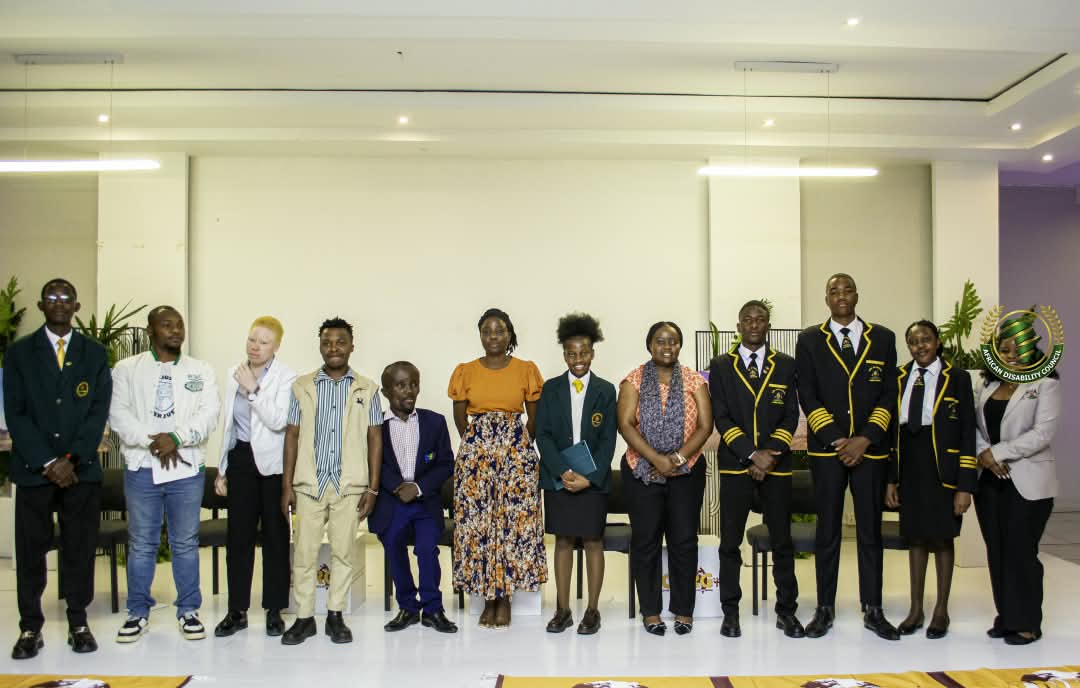
The Harare event brought together policymakers and implementers, including Members of Parliament, civil society organisations and Junior Parliamentarians, creating a platform for discussions on more inclusive climate governance.
The event was supported by the African Centre for Governance, Green Governance Zimbabwe, Centre for Natural Resource Governance, ActionAid, Climate Action Network Zimbabwe and Women’s Coalition of Zimbabwe.
Ambassador Nhau challenged stakeholders to move beyond viewing young people with disabilities solely through the lens of vulnerability.
He said young people with disabilities should also be recognised as advocates, innovators, researchers, entrepreneurs, community educators, communicators and leaders capable of contributing directly to climate solutions.
“Don’t invite us only to take photographs. Invite us to shape the agenda.”
The AU-DC said Africa’s response to the climate crisis requires a fundamental shift from symbolic consultation towards meaningful participation and leadership.
The Council framed this transformation as a movement:
From margins to microphones.
From consultation to participation.
From vulnerability to leadership.
From policy to implementation.
As African countries strengthen their response to climate change, the AU-DC stressed that climate justice must also be disability-inclusive justice.
The Council further called for the continent to move beyond the familiar commitment to “Leave No One Behind” and embrace a broader principle:
“LEAVE NO ONE AND NO PLACE BEHIND.”