
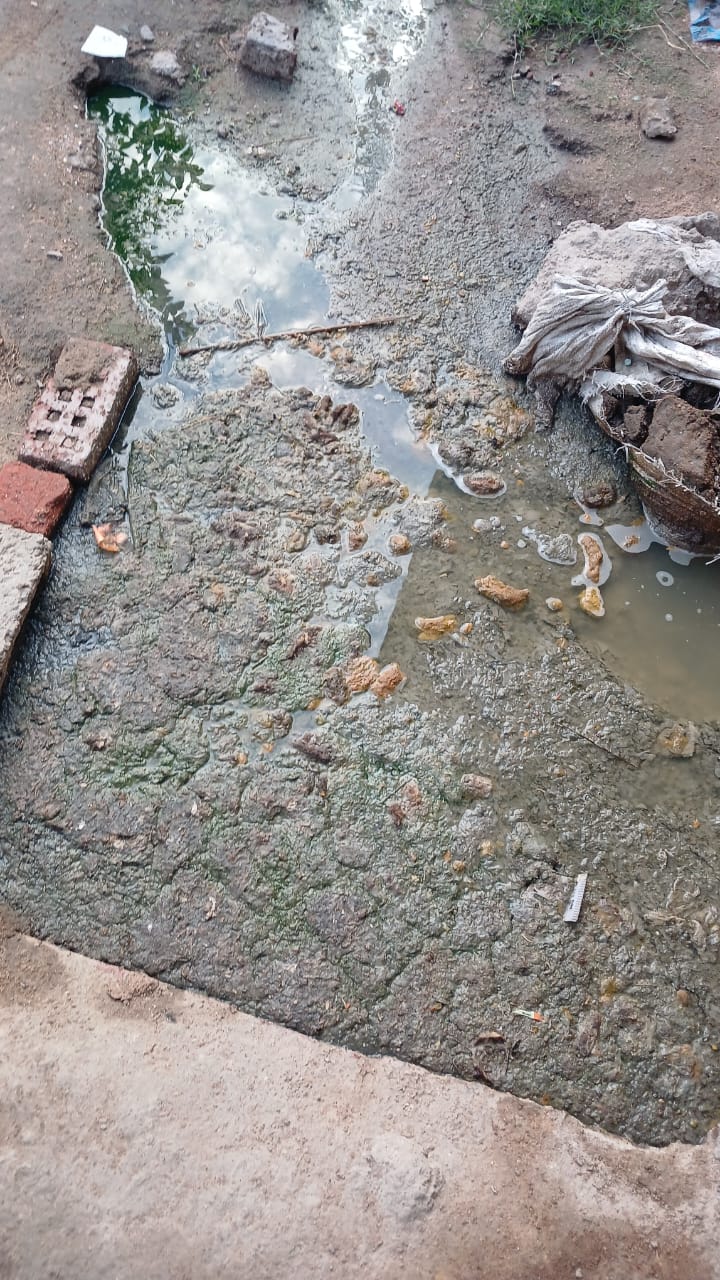
CHITUNGWIZA -Chitungwiza’s long-running sewage crisis continues to expose the challenges facing urban service delivery in Zimbabwe, with residents enduring recurring sewer bursts, overflowing manholes, raw sewage flowing through residential streets and persistent foul smells that have turned parts of the dormitory town into unhealthy living environments.
For many households, the problem has become more than an inconvenience. It is a daily struggle to maintain basic hygiene, protect children from potentially dangerous infections and live in homes where sanitation facilities are supposed to provide safety and dignity.
The crisis has also raised questions about the capacity of local authorities to maintain ageing sewer infrastructure, respond promptly to residents’ complaints and provide reliable essential services to a rapidly growing urban population.
In some affected neighbourhoods, residents have reportedly endured sewage problems for months, despite repeated efforts to engage municipal authorities.
One such case was reported in Zengeza 3, where resident Mai Kimaya raised concerns over raw sewage flowing from homes for almost six months. According to a statement issued by the Zimbabwe National Organisation of Associations and Residents Trust (ZNOART) on 21 October 2026, repeated calls and visits to the municipality had allegedly failed to produce meaningful intervention.
The situation illustrates the frustration among residents who feel that their concerns are not receiving the urgency they deserve.
Residents bear the burden of failing infrastructure
The concerns are not confined to Zengeza 3. Residents in Unit A, St Mary’s, Zengeza and other parts of Chitungwiza have previously reported recurring sewer bursts, overflowing pipes and untreated effluent flowing through streets and public spaces.
In October 2026, residents in Unit O raised fresh concerns after sewage reportedly accumulated near the borehole at Tasimukira Primary School for more than three months, creating fears of possible contamination of the school’s water supply.
Parents expressed concern about the safety of pupils, particularly amid reports of children experiencing diarrhoea. The situation raised renewed fears of waterborne disease outbreaks, including cholera and typhoid.
For residents, the crisis presents several interconnected challenges.
Raw sewage flowing through residential areas exposes families to potentially harmful pathogens, while stagnant wastewater creates unpleasant living conditions and can attract disease-carrying insects.
Children, elderly people and people with disabilities are particularly vulnerable because they may struggle to avoid contaminated areas.
The crisis also affects businesses, informal traders and property owners, with sewage spillages disrupting trading activities, damaging residential environments and potentially reducing property values.
Residents have further questioned why some sewer problems reportedly remain unattended despite repeated complaints to council, arguing that service delivery should not depend on the ability of affected households to mobilise resources or repeatedly approach municipal officials.
Chikomba calls for accountability and urgent intervention
The Zimbabwe National Organisation of Associations and Residents Trust (ZNOART) has emerged as one of the organisations consistently raising concerns over the situation and demanding lasting solutions.
National Chairman Shepherd Shalvar Chikomba has repeatedly criticised the continued exposure of residents to raw sewage, describing the situation as a serious public health and service delivery concern.
In a statement issued on 21 October 2026 concerning the Zengeza 3 situation, Chikomba said:
“Residents should not be forced to live in homes where sewage makes toilets unusable and threatens the health, safety and dignity of their families.”
He further emphasised the need for accountability and decisive action from the responsible authorities.
“We cannot talk about improved service delivery while residents endure raw sewage in their homes for months. Residents deserve action, accountability and a clean, safe environment.”
ZNOART has called for the immediate deployment of technical teams to unblock sewer lines, repair damaged infrastructure and investigate prolonged sewage spillages.
The organisation has also urged the Ministry of Local Government and Public Works, Chitungwiza Municipality and public health authorities to work together in addressing the crisis.
In July 2026, Chikomba went further, calling for greater accountability within the local authority following the failure to resolve persistent service delivery challenges.
He called on the Local Government and Public Works Minister to consider appointing an inclusive commission to administer Chitungwiza in the interests of residents and restore effective governance.
Council acknowledges the scale of the problem
While residents have expressed frustration over the recurring sewage problems, Chitungwiza Municipality has acknowledged the scale of the infrastructure challenges and outlined rehabilitation projects intended to improve the situation.
During an engagement meeting with ZNOART in May 2026, council officials explained that the town’s ageing sewer network requires extensive rehabilitation and that inadequate water supplies continue to undermine the functioning of the sewer system.
Council Engineer Talent Mashinga said Chitungwiza requires 112 megalitres of water daily but was receiving only 12 megalitres from Harare at the time.
He explained that more than 50 megalitres of water per day was needed for the sewer system to function effectively.
“Chitungwiza requires over 50 megalitres daily for the sewer system to function effectively,” Mashinga said.
The municipality estimated that addressing its water and sewer infrastructure challenges would require approximately US$426 million.
Among the projects outlined by council were the rehabilitation of the Rufaro sewer line, the Zengeza Outfall, the Seke Outfall and sewer infrastructure in Unit M.
Council also reported completing the replacement of collapsed and silted pipes in Unit C, rerouting a sewer line in Rufaro and replacing old pipes along the Unit F Mboto Road line.
However, some projects have reportedly faced challenges, including residential structures built over existing sewer lines, forcing engineers to identify alternative routes.
Chitungwiza Municipality Works Director Engineer David Duma stressed that improving water supply was central to achieving a lasting solution.
“Without adequate water, we cannot completely resolve the sewer challenges. We continue to call for Chitungwiza to have its own water source because water is central to improved sewer management,” Duma said.
The comments highlight an important aspect of the crisis: repairing broken sewer pipes alone may not be sufficient without addressing the town’s underlying water supply shortages and wastewater treatment capacity.
Mayor Councillor Rosaria Mangoma also welcomed engagements between council and residents, emphasising the importance of cooperation in finding lasting solutions.
“I am happy that residents and stakeholders have come forward for engagement. When we combine our ideas and efforts, we are able to come up with strong and lasting solutions to issues affecting our community,” she said.
Mangoma has also linked improved service delivery to better revenue collection, urging residents to meet their financial obligations to enable council to fulfil its responsibilities.
A treatment plant crisis that cannot be ignored
Beyond broken sewer pipes, the operational capacity of Chitungwiza’s wastewater treatment infrastructure remains a major concern.
Reports based on the Auditor-General’s 2025 findings indicated that the municipality had gone for more than seven years without a functioning sewer treatment plant.
The Zengeza Sewage Treatment Works, comprising a conventional treatment plant and a Biological Nutrient Removal facility, has reportedly been non-operational.
Municipal spokesperson Tafadzwa Kachiko confirmed the situation in comments published in July 2026, saying the municipality was seeking investment partners to rehabilitate its water and sewer infrastructure.
The failure of the treatment facilities has serious environmental implications because untreated sewage discharged into water bodies can contaminate rivers and threaten communities downstream.
The Hunyani River, which feeds into Lake Chivero, is particularly significant because Lake Chivero is a major raw water source for Harare.
The Environmental Management Agency (EMA) has also taken legal steps against the municipality.
On 30 September 2026, the High Court issued an order under case number HCH3235/25 restraining Chitungwiza Municipality from unlawfully discharging raw or untreated sewage and effluent into water sources, water bodies or the environment.
The development followed engagements and enforcement measures aimed at addressing sewage pollution.
The court intervention underscores the seriousness of the environmental concerns and the need for the municipality to comply with environmental regulations.
Residents turn to the courts
Frustration over the continued sewage problems has also spilled into the legal arena.
In July 2026, Chitungwiza Residents Trust and eight residents approached the High Court seeking an order compelling the municipality to repair and upgrade its collapsing sewer infrastructure.
The applicants sought an order requiring council to undertake repairs within three months and publish an emergency rehabilitation plan outlining short-, medium- and long-term interventions.
They also asked the court to direct EMA to monitor compliance with the proposed measures.
In their court application, the residents argued that years of sewage overflows, inadequate wastewater treatment and poor sanitation had infringed their constitutional rights to health, dignity and a clean environment.
The application demonstrated the growing determination among residents to pursue accountability through legal channels rather than continue relying exclusively on municipal engagements.
What needs to be done to resolve the crisis?
Although Chitungwiza’s sewage challenges are rooted in years of infrastructure deterioration, population growth and inadequate investment, stakeholders believe that sustainable solutions require a combination of immediate interventions and long-term planning.
1\. Emergency repairs and regular maintenance
Council should establish dedicated rapid-response teams to attend to sewer bursts, blocked pipes and overflowing manholes.
A transparent reporting system should allow residents to register complaints, receive reference numbers and track the progress of repairs.
2\. Comprehensive sewer infrastructure rehabilitation
Ageing and undersized pipelines need to be replaced, while major sewer trunk lines and outfalls require rehabilitation to accommodate growing demand.
The municipality should prioritise areas experiencing repeated sewer bursts and publish clear project timelines.
3\. Restore wastewater treatment capacity
Rehabilitation of the Zengeza Sewage Treatment Works should be treated as a priority.
Council should pursue viable public-private partnerships, development financing and government support to restore the treatment facilities and prevent untreated sewage from entering rivers and other water bodies.
4\. Secure an independent and reliable water source
The municipality needs to address its dependence on inadequate water supplies from Harare.
Investment in a dedicated water source, together with improvements to water distribution infrastructure, would strengthen the functioning of the sewer network and improve overall sanitation.
5\. Strengthen accountability and transparency
Council should publish regular updates on sewer rehabilitation projects, expenditure, contractors and completed works.
Residents also need an effective mechanism for reporting neglected sewer problems and holding responsible departments accountable.
6\. Improve public health and environmental monitoring
The Ministry of Health and Child Care, EMA and local health authorities should conduct regular inspections in affected neighbourhoods, particularly around schools, boreholes and other public facilities.
Where contamination is suspected, water quality testing should be undertaken, with appropriate public health interventions implemented.
The need for a lasting solution
Chitungwiza’s sewage crisis is ultimately a test of local governance, infrastructure investment and the ability of public institutions to protect the welfare of the communities they serve.
For residents who have endured overflowing sewer pipes and raw effluent for months or even years, announcements of rehabilitation projects and stakeholder meetings must translate into visible improvements.
The municipality has outlined projects and acknowledged the need for substantial investment, while residents’ organisations such as ZNOART continue to demand accountability and urgent intervention.
The challenge now is to bridge the gap between commitments and implementation.
As Chikomba and other residents’ representatives have repeatedly argued, access to proper sanitation is not a privilege but a fundamental requirement for healthy and dignified living.
Until Chitungwiza’s ageing sewer network is comprehensively rehabilitated, its treatment facilities restored and reliable water supplies secured, residents risk remaining trapped in a cycle of sewer bursts, environmental pollution and recurring public health concerns.
The people of Chitungwiza need more than temporary repairs. They need a functioning sanitation system that protects their health, restores their dignity and safeguards future generations.