
Staff Writer
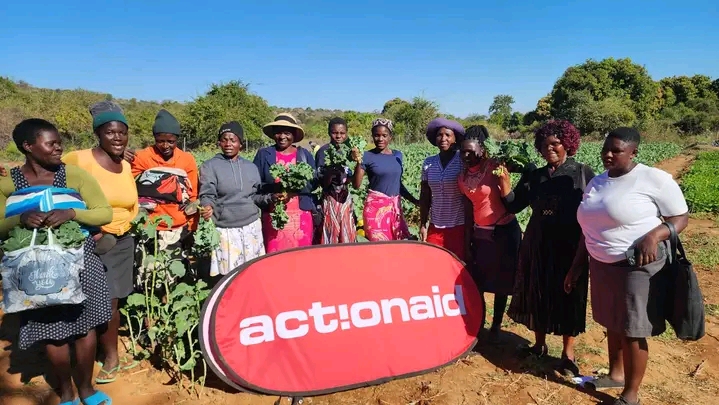
Women in Ward 3 in Chipinge district are reclaiming power over their farms in the face of erratic rains and drought.
According to Action Aid Zimbabwe, the women , instead of waiting, they are making their own compost, restoring soil, planting diverse crops, and leading agroecology in their communities.
“With support from Green Governance Zw in partnership with ActionAid Zimbabwe (funded by Mellemfolkeligt Samvirke) under the Strategic Partnership (SPAII) Project, these young women are proving that climate resilience grows when communities control the solutions,”said Action Aid in a statement.
Hildah Mufundirwa, a member of the Mutema Agroecology Demonstration Garden says she has observed improved vegetable quality and shelf life since adopting manure-based soil management.
“At the Mutema Garden we use chicken and goat manure. The vegetables taste better and they last longer. Our tomatoes can go more than a week after harvesting. With fertilisers, they rot quickly,” said Mufundirwa.
Portia Muzama reports that she now contributes to school and milling costs and has a greater voice in decisions about farming, household expenditure and the use of income earned from produce. She and her husband jointly discuss what to plant, how much produce to sell and how the proceeds will be used.
“I have gained respect in my family and my relationship with my husband has grown stronger,” said Muzama.
Climate justice in Zimbabwe highlights how the country suffers disproportionately from global greenhouse gas emissions. Despite contributing minimally to the global crisis, Zimbabwe faces severe droughts, floods, and cyclones that devastate rain-fed agriculture and threaten the rights of marginalized communities, rural women, and children.