
By Akson Potera
As the continent prepares to mark Africa Day, I must state plainly: Africa’s persistent “poverty paradox” is not a failure of intellect, but a profound failure of execution.
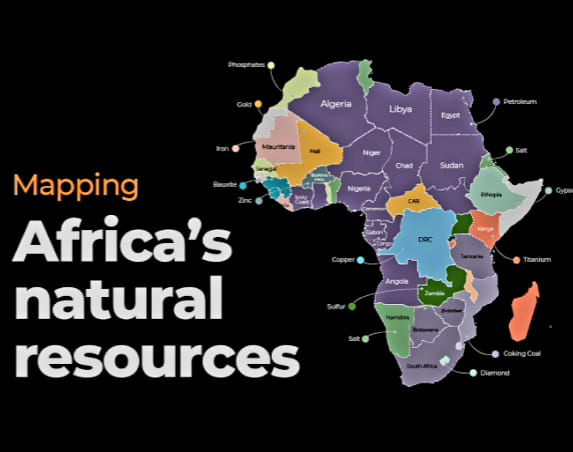
For decades, African universities, think tanks, and policymakers have generated mountains of compelling research diagnosing the continent’s economic stagnation. Yet, despite being home to some of the world’s richest natural and physical resources, our local communities remain trapped in a cycle of severe unemployment. The root of this problem lies in institutional inertia. The academics who write the blueprints are failing to implement their own recommendations.
The knowledge is there. What we face is a stark theory-practice gap where vital research remains confined to lecture halls and policy briefs rather than being deployed on the ground. Traditional, top-down economic models have repeatedly failed to convert vast natural wealth into localised prosperity.
To break this gridlock, I and the Fastforward Community Development Centre (FCDC-SA) are championing a radical shift toward grassroots industrialisation through the Local Asset-Based Employment Creation and Community-Based Industrial Development (LABEC-CBID) framework. This model circumvents sluggish state bureaucracies by focusing entirely on self-reliance. Instead of waiting for foreign direct investment or distant state intervention, LABEC-CBID identifies and mobilises existing community assets—such as local skills, land, and raw materials—and converts them into immediate employment drivers.
Crucially, the strategy hinges on Community-Based Industrial Development (CBID). By establishing micro-manufacturing and small-scale industrial hubs directly within townships and rural areas, we ensure that wealth circulates locally rather than leaking out to multinational corporations.
Turning this philosophy into action requires a pragmatic, five-stage approach that I urge governments to adopt:
1. Strategic Planning and Mapping: Define clear local employment targets and audit community strengths.
2. Targeted Identification: Pinpoint high-unemployment zones and determine what specific industries those areas can realistically support.
3. Resource Mobilisation: Aggressively secure infrastructure, seed funding, and community-led partnerships.
4. Inclusive Skills Training: Provide practical, “second-chance” technical training to marginalised workers who lack formal academic qualifications, instantly making them employable.
5. Execution and Monitoring: Launch the local hubs with rigorous, ongoing monitoring to ensure long-term sustainability.
As Africa Day approaches, my message is clear: true liberation and economic sovereignty will not come from more academic papers. It will come when African communities transition from being passive consumers of external goods to active, self-sustaining producers and innovators.