
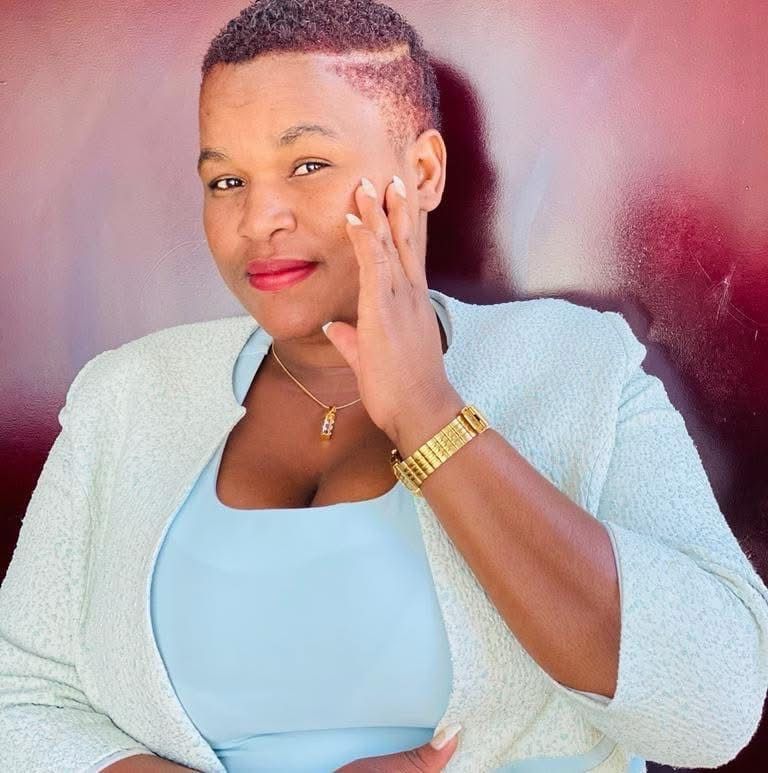
By Desire Tshuma
Lusaka – Zambia will hold its general election on August 13, 2026, at a time when the country faces new legal changes, shifting political alliances, and a rise in political violence.
Political analyst Dr. Abigale Mupambi says the election will test Zambia’s reputation for competitive elections and peaceful transitions since 1991.
According to Dr. Mupambi, President Hakainde Hichilema of the UPND is seeking re-election on a platform of economic reform and debt restructuring. The main opposition challenge is expected to come from the Tonse Alliance. Brian Mundubile of the Patriotic Front is the alliance’s presidential candidate, with Makebi Zulu as running mate. The Tonse Alliance now includes 6 core parties and more than 30 allied parties and civil society organizations.
Dr. Mupambi notes that the political landscape has shifted several times this year. The PF left the Tonse Alliance in March 2026 to form PF Pamodzi, then rejoined Tonse in May. In July, former intelligence chief Xavier Chungu, who is in prison, withdrew his candidacy and endorsed Mundubile.
The Tonse Alliance has also complained to the Electoral Commission of Zambia about the electoral process bill and concerns over the commission’s impartiality.
Two pieces of legislation have drawn criticism ahead of the vote. These are the 2025 Cyber Crimes Act and constitutional amendments passed in December 2025 that expand Parliament. Critics say the changes could narrow civic space. Campaign events in Mazabuka and Kabwe were also dispersed or vandalized, raising concerns about freedom of assembly.
Civil society groups, the Church and the Law Association of Zambia have raised alarm over increased political violence. The Christian Churches Monitoring Group recorded 35 critical incidents between April and May 2026, compared to 8 in the previous period.
Dr. Mupambi highlighted two deaths. In Mazabuka on June 29-30, Stanley Sakala, 31, was found dead with neck wounds at a campaign camp. In Kaputa on June 29, Kwesha Ngonga, 25, a UPND supporter, was allegedly stabbed to death during clashes with NRPUP supporters. Police have detained 10 suspects. Other reports include assaults for wearing party regalia, the presence of armed party members, and accusations of selective policing.
Civil society organizations describe the violence as systemic and organized rather than isolated.
Dr. Mupambi condemned the attacks. She said violence has no place in a democracy and that the loss of life in Kaputa and Mazabuka, attacks on rallies, and destruction of property violate Article 1 of the Constitution. She added that such acts risk making intimidation a normal political tool and weaken the space needed for free elections.
President Hichilema has said there is no room for political violence and has ordered investigations into the killings. Dr. Mupambi said the challenge now is for the government and institutions to act. She listed four areas: impartial enforcement of the Electoral Process Act by the ECZ and police, quick accountability for those behind violence, protection of civic space for all parties, media and citizens, and leadership that does not criminalize dissent.
“Zambia’s international democratic standing hinges on a free, fair, and peaceful election. The world is watching,” Dr. Mupambi said.
She concluded that Zambia’s democratic foundations remain strong, but the next two months are critical. “Condemning violence is not partisan — it is patriotic. The measure of this election will be the protection of every Zambian, regardless of political affiliation,” she said.
Dr. Abigale Mupambi is a political scientist and international relations expert who works as a global affairs analyst.