
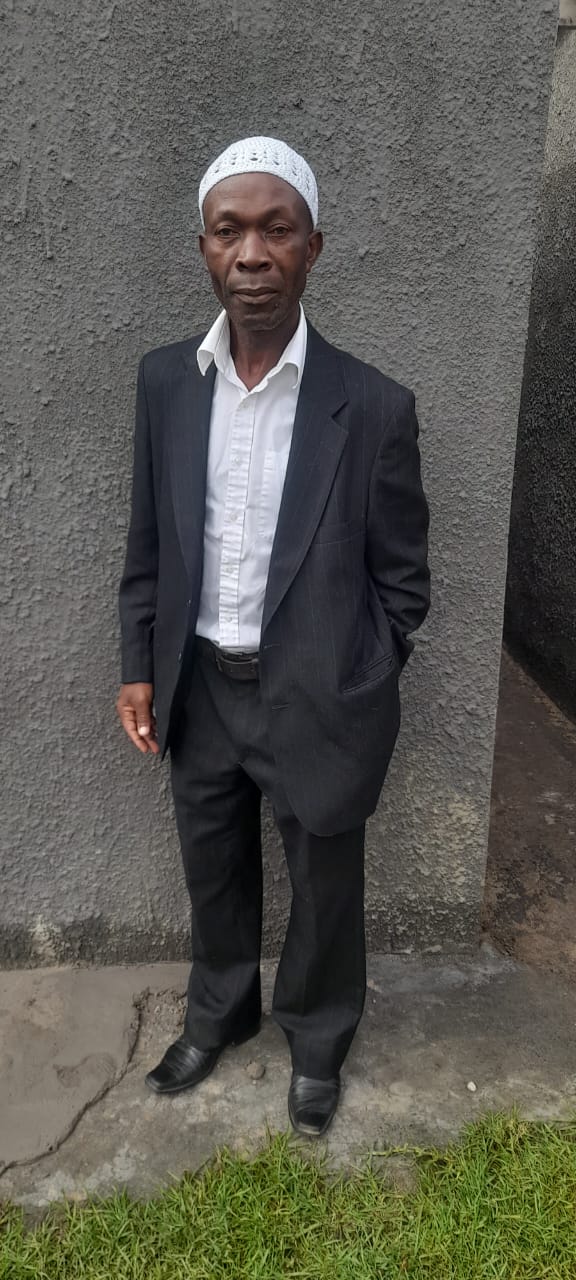
By Bigboy Madzivanzira
Introduction
Medical errors are an unfortunate reality in healthcare systems worldwide, including Zimbabwe. The World Health Organization defines a medical error as any preventable event that may cause or lead to inappropriate medication use or patient harm. While much attention is rightly placed on patient safety, we must also talk about the impact these errors have on the medical personnel involved.
Healthcare workers are human. When errors occur, the consequences extend beyond the patient to the doctors, nurses, pharmacists, and rehabilitation practitioners who provide care.
Common Types of Medical Errors
Medical errors can happen at any point in the care process. Common examples include:
1. Medication errors – wrong drug, wrong dose, or wrong route
2. Diagnostic errors – missed, delayed, or incorrect diagnosis
3. Procedural/surgical errors – wrong site surgery or retained surgical items
4.Communication errors- poor handover, illegible prescriptions, or failure to follow up
5. System errors- equipment failure, understaffing, and lack of supplies
In resource-constrained settings like many clinics and hospitals in Harare and rural Zimbabwe, high patient volumes and staff shortages increase the risk of such errors.
The Effects on Medical Personnel: The “Second Victim”
When a medical error occurs, the healthcare worker involved often becomes what is called a “second victim.” The effects are wide-ranging:
1. Psychological Impact
Health workers commonly experience guilt, shame, anxiety, and depression. There is fear of litigation, loss of license, and damage to reputation. Some develop symptoms of post-traumatic stress and lose confidence in their clinical judgment.
2. Professional Impact
Errors can lead to burnout and reduced job satisfaction. Some practitioners practice “defensive medicine” ordering unnecessary tests to protect themselves. Others consider leaving the profession entirely, worsening the staff shortages we already face.
3. Social and Institutional Impact
Many health workers suffer in silence due to stigma. There is fear of blame from colleagues and management. This culture of silence prevents learning and healing, and the stress often spills over into family life.
Why This Matters in Our Context
Zimbabwe’s health system is under pressure. Long hours, limited resources, and high patient loads create conditions where errors are more likely. If our response is only to punish, we risk losing more skilled personnel at a time when we need them most. Supporting health workers is not about excusing errors. It is about building a safer system for both patients and staff.
Recommendations: Moving Toward a Just and Supportive Culture
To address this, we need a shift from a “blame culture” to a “just culture” and “learning culture.”
1. Peer Support Programe – Create safe, confidential spaces for staff to debrief after adverse events.
2. Non-punitive Reporting Systems- Encourage incident reporting to identify system problems, not to assign blame.
3. Training in Patient Safety – Strengthen training in communication, teamwork, and error prevention.
4. Mental Health Support – Provide access to counseling and wellness services for health workers.
5. System Strengthening – Address root causes like understaffing, poor equipment, and unclear protocols.
Conclusion
Medical errors affect patients first, but they also deeply affect the medical personnel who care for them. A health system that only focuses on the patient while ignoring the wellbeing of the health worker is incomplete.
As we work to improve quality of care in Zimbabwe, let us remember: supporting our health workers after errors leads to greater transparency, more learning, and ultimately, safer care for all. “To err is human, to cover is unprofessional, but to learn is to
heal.”
ABOUT THE AUTHOR:
Bigboy Madzivanzira is a Medical Rehabilitation Practitioner, and a registered Health Promotion Practitioner with the Allied Health Professions Council of Zimbabwe. He is the Founder and Director of Health Promotion Clinic Trust, and the CAN (CBR) Africa Network Zimbabwe Representative. He is an Accredited Freelance Journalist with the Zimbabwe Media Commission.
Bigboy writes and advocates on Public Health, Disability Inclusion, Patient Safety, and Social Justice. He is passionate about building health systems that are safe for both patients and healthcare workers.
He can be contacted on 0773 367 913 or email him on healthpromotionclinic@gmail.com.