
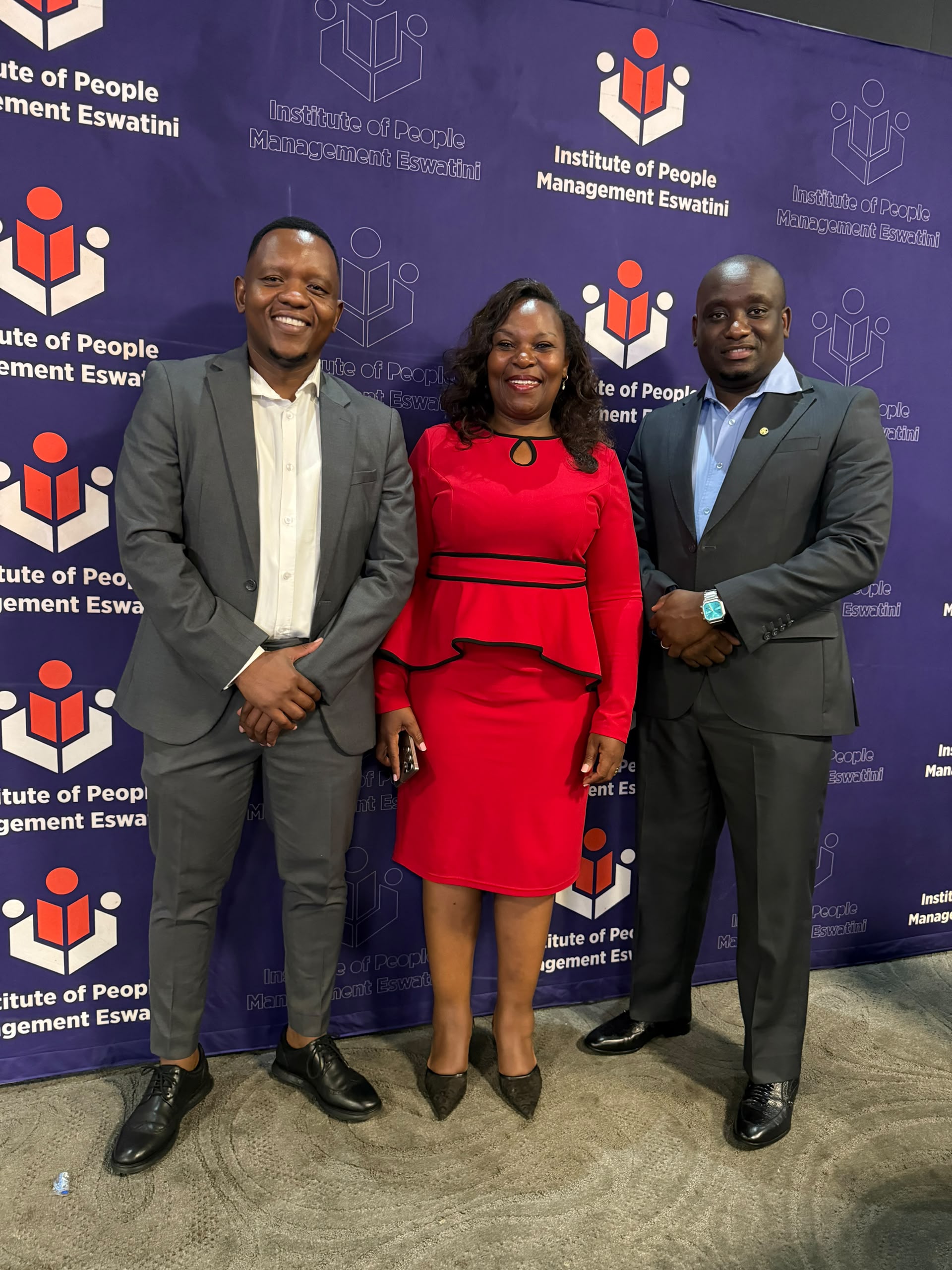
EZULWINI – Global human resources expert, author and Third Eye Africa Managing Consultant Emmanuel Zvada (pictured right )has not retired to Eswatini; rather, he arrived in the kingdom with a sharp wake-up call for the nation’s workforce and corporate leaders.
Speaking at the Institute of Personnel Management (IPM) Eswatini Annual Conference, held at the Happy Valley Hotel in Ezulwini, Zvada shifted the spotlight away from conventional human resources metrics and focused on a looming crisis: how employees and companies prepare for the end of a career.
A Lifetime Deserves More Than a Cheque
Zvada challenged the long-standing corporate tradition in which an employee’s departure is marked simply by a farewell party and a lump-sum payout.
“Preparing someone for retirement should begin long before their final working day,” Zvada said, emphasising that a lifetime of service demands strategic, psychological and financial preparation rather than a casual handover.
Drawing on his extensive experience in human capital development and his published guide, 7 Golden Rules of Retirement Planning, Zvada warned against the common assumption that a pension cheque alone would sustain a retiree’s lifestyle.
Instead, he described retirement as a major life transition that requires the same level of intentional planning as climbing the corporate ladder.
A Wider Conversation in Eswatini
Zvada’s address came at a critical juncture for the kingdom. Discussions across Eswatini’s financial and social security sectors have increasingly focused on retirement adequacy, low voluntary savings rates and upcoming structural reforms to national pension frameworks.
Industry estimates shared at related local forums suggest that a significant majority of workers risk retiring without adequate replacement income unless savings habits change substantially.
Echoing this concern, other delegates and organisational specialists at the conference urged employers to look beyond surface-level employee engagement and invest more deeply in the long-term welfare of their staff.
For Zvada, the message to Eswatini and the broader African continent remains clear: retirement should never be treated as an abrupt end or a quiet exit, but as a carefully planned second act.