
By Simbarashe Sithole
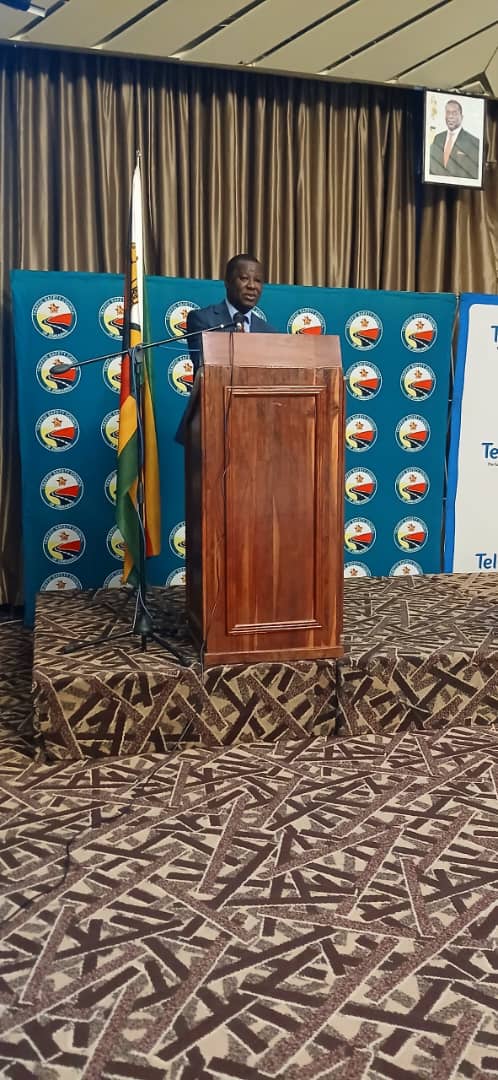
Traffic Safety Council of Zimbabwe (TSCZ) managing director Munesu Munodawafa (pictured) has challenged journalists to go beyond reporting road accident statistics and produce in-depth stories that examine the causes of crashes, hold responsible authorities accountable and recommend policies to improve road safety.
Speaking at a road safety workshop for journalists in Harare on Thursday , Munodawafa said the media had a critical role to play in raising public awareness, influencing policy decisions and promoting responsible behaviour among road users.
“The media plays a pivotal role in our country so as journalists you should do indepth stories on road safety,” Munodawafa said.
He urged journalists to move beyond reporting the number of people killed or injured in road accidents and investigate the underlying factors contributing to the country’s road safety challenges.
Munodawafa said comprehensive reporting should examine issues such as road infrastructure, vehicle roadworthiness, driver behaviour, enforcement of traffic laws and the effectiveness of existing road safety policies.
He challenged journalists to use their platforms to question whether relevant authorities were doing enough to prevent accidents and ensure that roads were safe for motorists, passengers, cyclists and pedestrians.
The TSCZ chief also called for reporting that promotes accountability, encourages evidence-based policymaking and helps identify practical solutions to reduce road traffic injuries and deaths.
He said journalists should use their investigative skills to establish why crashes occur, whether safety regulations are being enforced and what measures could prevent similar incidents in the future.
Road safety reporting, he emphasised, should contribute to lasting change rather than merely documenting tragedies after they have occurred.
The workshop comes amid continued concerns about road safety in Zimbabwe, where road traffic crashes pose a serious threat to human life and livelihoods.
Beyond the immediate loss of life, road crashes leave families without breadwinners, impose financial burdens on households and place additional pressure on the healthcare system. Survivors may also face long-term disabilities, rehabilitation costs and loss of income.
Effective road safety coverage therefore requires journalists to connect individual crashes to broader questions about public policy, infrastructure planning, law enforcement and the responsibilities of transport operators and road users.
Road safety experts have previously highlighted the need to strengthen driver training, improve road infrastructure and enforce traffic regulations. In 2025, the council also participated in initiatives promoting safer driving and addressing dangerous practices such as distracted driving.
The media can also play a watchdog role by following up on promised road improvements, investigating alleged corruption in traffic enforcement and tracking whether safety campaigns translate into measurable reductions in crashes.
Munodawafa’s call reinforces the need for a preventive approach to road safety, in which government departments, local authorities, police, transport operators and road users are held accountable for their respective responsibilities.
Zimbabwe’s road safety efforts will require sustained public education, safer road designs, regular vehicle inspections, effective enforcement and improved emergency response services.
Ultimately, the measure of success should not be the number of workshops held or awareness campaigns conducted, but whether fewer people die or suffer life-changing injuries on the country’s roads.
The challenge for the media is to turn road safety reporting into a sustained public-interest campaign that informs citizens, influences policy and helps save lives.