
Staff Writer
The Zimbabwe Tourism Authority (ZTA) has highlighted heritage-based tourism as a strategic tool for preserving Zimbabwe’s national identity, promoting cultural pride and preventing cultural erosion.
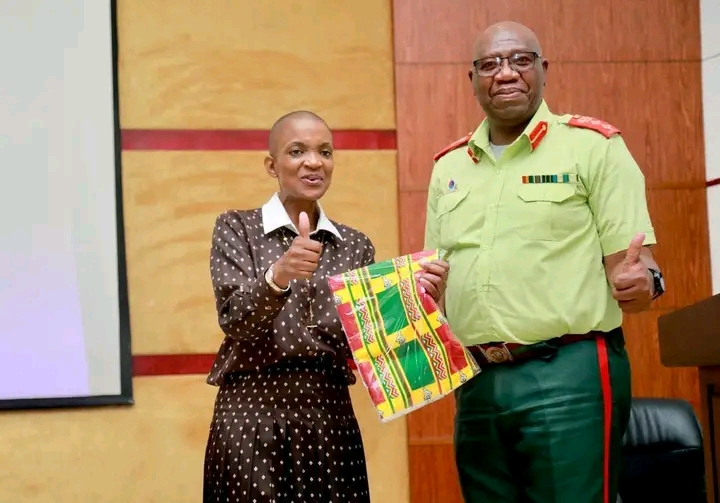
According to the ZTA, Tourism and Hospitality Industry Minister Barbara Rwodzi made the remarks during an engagement with participants of the National Defence Course 15/2026 at the Zimbabwe National Defence University (ZNDU).
The participants were drawn from Botswana, Namibia, Nigeria, South Africa, Tanzania, Zambia and Zimbabwe.
Speaking under the theme, “Preservation and State Identity: The Adoption of a Heritage-Based Tourism Cluster Approach to Foster National Identity and Prevent Cultural Erosion,” Rwodzi emphasised the importance of heritage in advancing Zimbabwe’s development agenda.
The ZTA said the Minister highlighted the Culture and Heritage Cluster, anchored by the Nhaka Yedu, Ilifa Lethu, Our Heritage campaign, as an important instrument in advancing President Emmerson Mnangagwa’s Heritage-Based Development philosophy under the Second National Development Strategy (NDS2) and Vision 2030.
“Heritage is a strategic national asset that must be protected, celebrated and shared with the world,” the ZTA said, attributing the remarks to Rwodzi.
The Minister also outlined the six Tourism Policy pillars and the cluster approach as frameworks for diversifying Zimbabwe’s tourism sector and expanding economic opportunities across nature and wildlife, rural, MICE, sports and religious tourism.
According to the ZTA, the country’s flagship attractions, including Victoria Falls, Great Zimbabwe and the Eastern Highlands, remain central to showcasing Zimbabwe’s heritage and tourism potential.
Rwodzi also identified cultural festivals, mbira music, the national fabric, township tourism, gastronomy tourism and indigenous products such as Mapfura wine, Matamba and Mawuyu juices as important expressions of Zimbabwean identity.
The ZTA said Zimbabwe recorded 6.4 million domestic tourism trips during the first half of 2026, while tourism receipts increased by 6 percent and investment grew by 229 percent.
The figures, the authority said, demonstrated the growing contribution of tourism to economic development and soft diplomacy.
The engagement with the National Defence Course participants also underscored the role of heritage-based tourism in strengthening national identity while creating opportunities for Zimbabwe to share its cultural heritage with regional and international audiences.