
Staff Writer
Frontline communities from across Zimbabwe have called for stronger community participation, accountable climate finance and rights-based management of natural resources as the country prepares for the global climate negotiations at COP31 in Antalya, Türkiye.
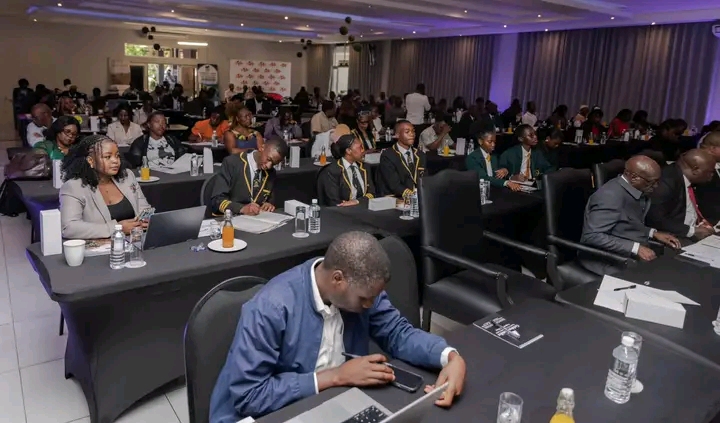
The call was made in Harare at the People’s COP 2026, held under the theme, “From Harare to Antalya: Community Climate Justice, Critical Minerals and the Road to COP31.”
The platform was convened by the Centre for Natural Resource Governance (CNRG) in partnership with ActionAid Zimbabwe, Green Governance Zimbabwe, Climate Action Network Zimbabwe (CAN Zimbabwe) and the Africa Centre for Governance.
The gathering brought together civil society organisations, community representatives, policymakers and other stakeholders to discuss how local experiences can shape Zimbabwe’s climate policies and its engagement in international climate negotiations.
The event comes after the Fourteenth Conference on Climate Change and Development in Africa (CCDA-XIV) in Addis Ababa and ahead of COP31, where governments will continue discussions on climate action, adaptation, climate finance and other issues affecting vulnerable communities.
CNRG Executive Director Farai Maguwu said the People’s COP provided an opportunity to connect local community concerns with national, continental and global climate processes.
“We are glocalising the issues being raised and taking them from communities,” Maguwu said.
He said Africa had an important role to play in addressing climate change, global warming and their associated challenges.
ActionAid Zimbabwe Country Director Dr Selina Pasirayi said the success of global climate negotiations should ultimately be assessed by their impact on communities.
“The success of COP cannot be measured by what is negotiated in conference halls, but by what those decisions mean for people on the ground,” she said.
Pasirayi said Africa continued to face significant climate impacts despite its relatively small contribution to global emissions.
She called for climate finance to be predictable, accessible and accountable, while urging that the energy transition should respect community rights, including free, prior and informed consent (FPIC), as well as equitable benefit-sharing.
The discussions also focused on the growing importance of critical minerals in the global energy transition and the need to ensure that mineral-rich communities benefit from the resources extracted from their areas.
Participants argued that the transition towards cleaner energy should not reproduce existing inequalities or leave communities bearing the environmental and social costs of resource extraction.
Speaking from Parliament, Hon Mackenzie Ncube of the Thematic Committee on Climate Change emphasised the role of Parliament in strengthening coordination among institutions and ensuring that community experiences are reflected in policy and legislative processes.
Ncube said transparent and accessible climate finance was important for strengthening adaptation and mitigation measures, water security, climate-smart agriculture and ecosystem protection.
He also called for climate governance that is responsive to the needs of women and young people, stressing the importance of their meaningful participation in decision-making processes.
“Climate justice is about protecting livelihoods. Parliament remains committed to accountability and collaboration to ensure community voices are heard not only here, but in the global discussions leading to COP31,” Ncube said.
The People’s COP is expected to consolidate community experiences and recommendations into a People-driven Harare Declaration, which will feed into discussions around Zimbabwe’s Nationally Determined Contribution (NDC) 3.0 implementation and the country’s engagement at COP31.
The approach reflects a broader push by climate advocates for international commitments to be translated into practical action at community level.
Ahead of COP31, which is scheduled to take place in Antalya, Türkiye, the discussions in Harare have placed climate finance, community participation, critical minerals, gender-responsive governance and accountability among the issues Zimbabwean stakeholders want reflected in national and international climate processes.
International climate advocacy platforms have similarly been calling for greater attention to the gap between commitments made at climate conferences and the experiences of frontline communities.
For Zimbabwean communities facing climate-related pressures, participants at the People’s COP said the road to Antalya should therefore begin with listening to those directly affected and ensuring their concerns are incorporated into policy, financing and implementation frameworks.