
Staff Writer
HARARE, Zimbabwe — Debt repayments by countries in the Global South are outpacing the climate finance grants they receive by 225 times, highlighting what ActionAid Zimbabwe says is a major injustice in the global financial system.
The organisation made the remarks as part of the Global Week of Climate Action, drawing attention to the growing debt burden facing developing countries and its implications for efforts to tackle climate change.
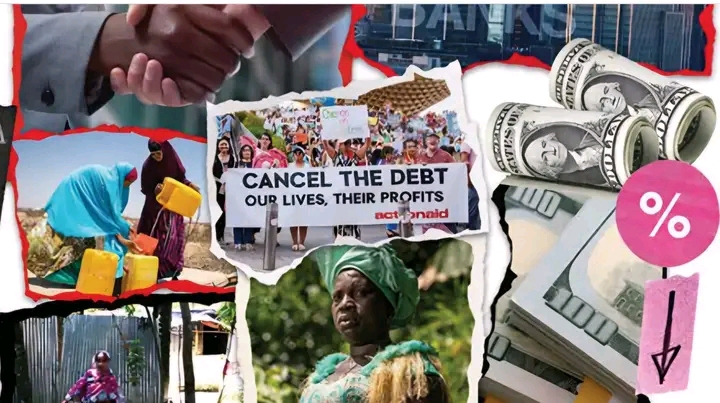
According to ActionAid Zimbabwe, new findings contained in ActionAid’s report, Debt Fuels the Climate Crisis: How Finance Flows, show that countries in the Global South are paying 225 times more in debt repayments than they receive in climate finance grants.
“The numbers do not lie — debt is fuelling the climate crisis,” ActionAid Zimbabwe said, describing the findings as evidence that the international financial system is flowing in the wrong direction.
The organisation said countries in the Global South are expected to pay about US$8.8 trillion in debt repayments in 2026 alone, representing approximately 43.5 percent of all budget revenues.
ActionAid Zimbabwe said the scale of debt repayments was placing severe pressure on developing countries, limiting resources available for investment in climate adaptation, public services and sustainable development.
The organisation contrasted the debt burden with the amount of grant-based climate finance provided by wealthier countries.
According to the report, the Global North provided only US$39 billion in grant-based climate finance in 2024.
ActionAid Zimbabwe said the disparity highlighted the unequal financial burden borne by countries that have contributed relatively little to the climate crisis.
“Countries that have done the least to cause the climate crisis are being forced to finance those who have done the most,” the organisation said.
The organisation argued that the global climate debate must therefore take into account the debt crisis affecting developing countries.
ActionAid Zimbabwe said addressing unsustainable and unjust debt should be regarded as an important component of climate action, particularly as countries in the Global South require additional resources to respond to climate-related challenges.
“Fixing the debt crisis is climate action,” ActionAid Zimbabwe said, arguing that cancelling unjust debt could be among the most significant and achievable measures available to advance climate action.
The organisation said climate justice could not be separated from debt justice, calling for reforms to the global financial system and increased access to climate finance in the form of grants rather than additional debt.
The findings form part of ActionAid’s wider advocacy for greater equity in international climate finance and financial systems, particularly for communities and countries most vulnerable to the impacts of climate change.
ActionAid Zimbabwe urged stakeholders participating in the Global Week of Climate Action to recognise the relationship between debt, development and climate vulnerability.
The full report, Debt Fuels the Climate Crisis: How Finance Flows, provides further analysis of how international financial flows are affecting countries in the Global South and their capacity to respond to the climate crisis.