
By Chiyedzo Josiah Dimbo, Ambassador of Hope
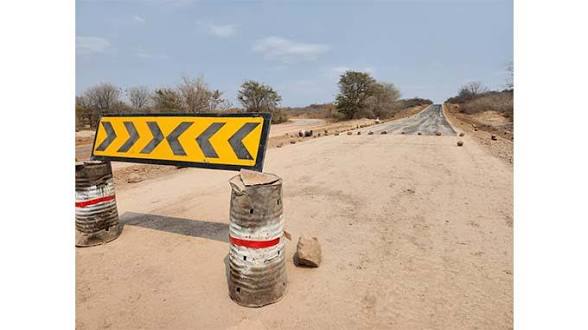
Bulawayo to Hwange: 364 kilometres. Fifteen hours. One road in ruins.
The journey should take hours, not half a day. Instead, the battered stretch between Zimbabwe’s second city and one of its prime tourism destinations has become an endurance test. For those who drive it, the message is no longer just an inconvenience — it is a crisis they have seen with their own eyes.
“Takazvionera pamhuno sefodya — we have seen it on the nose like tobacco,” said Hon. Remigious Matangira, MP for Bindura South. “We took 15 hours. Can it be given top priority irrespective of a few resources available?”
The question is pointed. So is the frustration after years of craters, crawling convoys, and broken axles.
This is not simply a story about tar and potholes. It is a story about people, livelihoods, and the way a nation presents itself to the world.
Why the Highway Matters: A Corridor in Crisis
Every nation that has risen built roads first. Roads are more than infrastructure. Roads are an invitation.
•Tourism dies in traffic.
A tourist who spends 15 grinding hours between Bulawayo and Hwange is unlikely to return — and will tell others to stay away. A tourist who moves smoothly from Victoria Falls to Hwange to Bulawayo will spend more, see more, and stay longer. The highway is Zimbabwe’s red carpet. Right now, the country is welcoming the world on broken tiles.
•Tourism feeds everyone.
When the road is good, a farmer can get produce to market in hours, not days. The craft seller sees more buses stopping. The lodge in Hwange receives bookings because people can actually reach it. One good highway can create 1,000 small businesses along its shoulders.
•Tourism tells our story.
Visitors do not only see the wildlife and heritage; they see the state of repair. A battered highway tells a story of neglect. A smooth highway tells a story of a nation that believes in itself. Which story should the world carry home?
The View From the Ground
I travel this country and speak with leaders, communities, and ordinary citizens tired of waiting. Matangira has now voiced what millions are feeling:
“We have seen it on the nose like tobacco. We took 15 hours. Can it be given top priority irrespective of a few resources available?”
That is the question of the moment — and it demands an answer, not another promise.
Hope is not pretending the road is fine. Hope is looking at a damaged highway and saying: “We will fix it, and we will start now.”
Every hour saved on that road is an hour a father gets with his children. Every smooth kilometre is a dollar saved by a transporter. Every tourist who arrives safely is a job for a guide, a cook, a hotel worker, or a vendor.
Zimbabwe cannot wait for perfect conditions. It must use what it has to do what it can. A nation that cannot move its people cannot move its economy. A nation that cannot welcome tourists cannot attract investment.
The Bulawayo–Hwange highway is more than asphalt. It is a lifeline, a marketplace, and the corridor where Zimbabwe meets the world.
Prioritise the repairs. Begin the work today.
When the road is open, hope travels faster.