
By Desire Tshuma
Marondera -Wiserow Enterprises is scaling up in Mashonaland East with plans to produce 2,500 tons of blueberries annually once current plantings reach full maturity, cementing its position as one of Zimbabwe’s largest growers of the high-value crop.
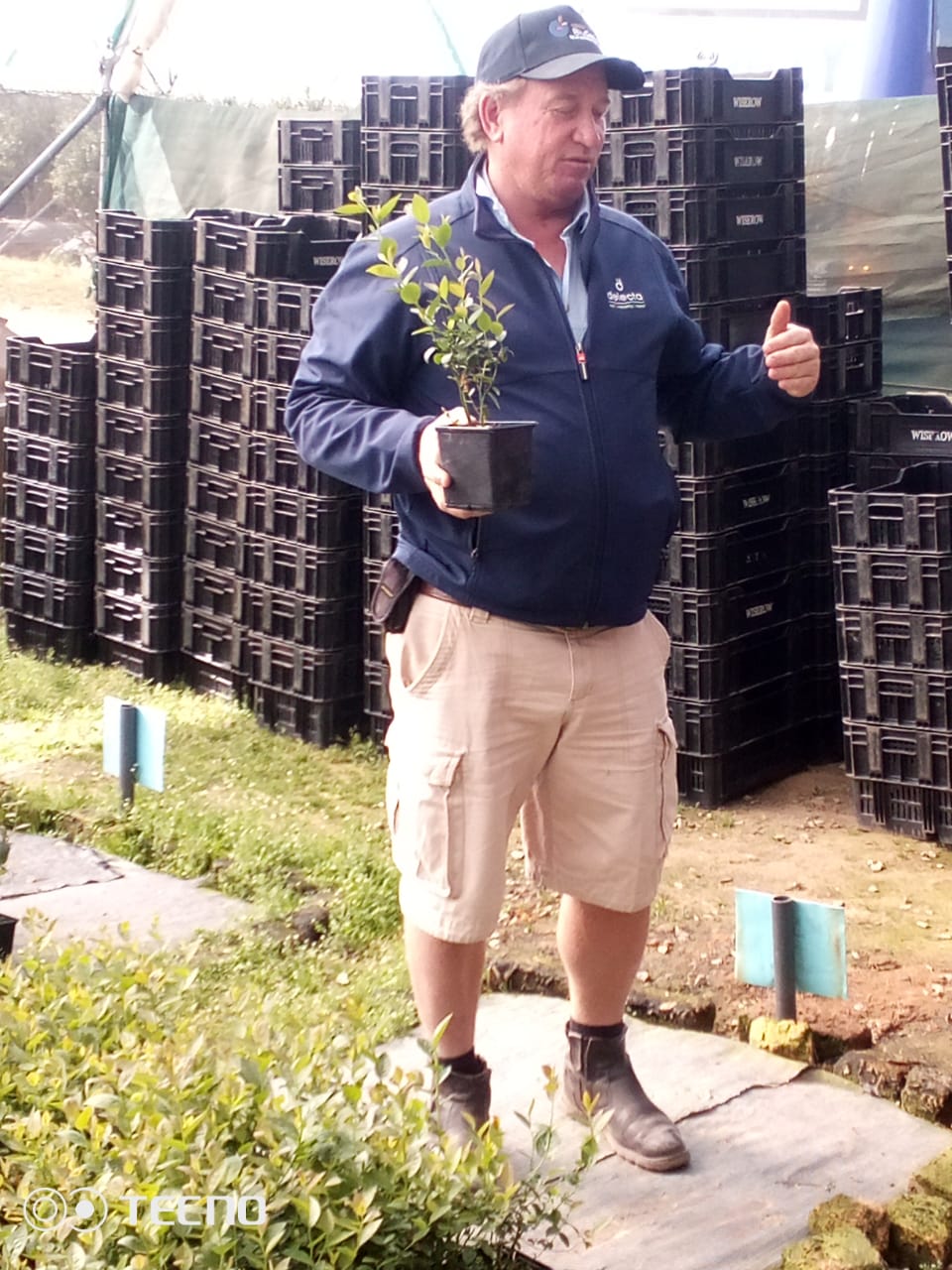
General Manager for Wiserow, Bruce Meikle, said the company is prioritizing export markets due to oversupply locally. “We are supplying into the local market, so 5% of our production will go into the local market. And basically, over that, we flood the local market. We’ve got too much blueberries, so that’s why the majority of our blueberries go into the export market,” Meikle said. He added that export fruit is fetching “a premium 5%.”
The export focus is delivering results. According to Meikle, Wiserow generated about $2 million in revenue last year after coming in late to the season, and is now targeting $5 million this year. “In terms of value, our revenue last year, we came in a bit late, so I think we were just, about $2 million was our revenue last year. And then this year, we’re aiming for about $5 million, double last year’s revenue,” he said.
With global blueberry demand growing at about 11% annually since 2018, Wiserow is among 16 producers driving Mashonaland East’s rise to become Zimbabwe’s leading blueberry region. The province now has roughly 550 hectares under the crop.
Meikle also cautioned prospective growers on agronomy. “I think the big thing is to look at your soils and that, and see, blueberries like very sandy soils, and they don’t like clay, so if you’ve got heavy clays, don’t look at planting, because into the soil they have to go into pots. I think that’s the best advice. So they like these tobacco sands, they like the sandier the better for blueberries,” the General Manager said.
On nutrition, Meikle noted the health benefits driving international demand. “Blueberries are very high in antioxidants and vitamins, so they’re very good for blood pressure and for your health. They help fight disease, so they’re considered a superfood in terms of their healing abilities and nutrient value.”
As Zimbabwe pushes to expand horticultural exports, Wiserow’s projected 2,500-ton output signals growing potential for foreign currency earnings and job creation in rural areas.