
By Bigboy Madzivanzira
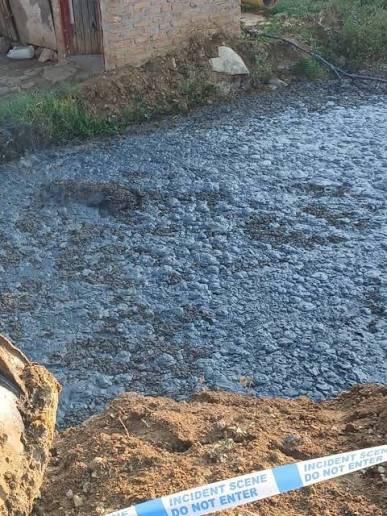
The sewage that claimed three lives in Budiriro 3 on 9 October 2025 didn’t arrive overnight. It flowed through years of blocked pipes, unmaintained trenches, and warnings ignored by Harare City Council. When “Coach Rambo” Victor Kazembe risked his life to pull those bodies from raw waste, he exposed more than a drainage failure — he exposed a city gambling with public health.
In Zimbabwe’s urban centers, sewage is not just an inconvenience. It is a ticking public health bomb, spreading disease, contaminating water, and stripping communities of dignity. Without urgent action, the next tragedy is already being engineered.
Implementing recycling programs to reduce landfill waste
Landfills in urban Zimbabwe are overwhelmed. Unsegregated waste blocks drainage systems, accelerates pipe bursts, and creates breeding grounds for pathogens. Recycling reduces the volume of waste reaching dumpsites and prevents solid waste from choking sewer lines.
Public education:
Educating consumers on proper disposal practices and promoting responsible waste management.
Many blockages come from what people flush and dump. Sanitary pads, plastics, and food waste don’t belong in toilets or drains. Targeted education in schools, markets, and communities can shift behavior and reduce the load on failing infrastructure.
Sustainable packaging:
Optimizing packaging to minimize waste and using recyclable materials.
Excessive, non-biodegradable packaging adds to the waste stream that ends up clogging urban drains. Working with manufacturers to adopt recyclable and minimal packaging cuts waste at the source.
By addressing these factors and promoting responsible practices, Zimbabwe can work towards mitigating the public health risks associated with sewage in urban areas. But mitigation isn’t enough after Budiriro. Council must act now:
1. Emergency inspection and clearing of all known blockage hotspots in Harare’s high-density suburbs.
2. Immediate fencing and covering of open trenches and manholes citywide.
3. Installation of waste screens at major sewer inlets to trap solids before they cause backups.
4. Community reporting system for residents to flag overflows and hazards in real time.
5. Public accountability— publish monthly updates on sewage response times and repairs.
The stench of raw sewage should not be the smell of Harare. It should be the smell of a city forced to confront its neglect. Three people died in Budiriro because systems failed. The next deaths will be on us if we don’t demand better.
About the Author
Bigboy Madzivanzira is a Health Promotion Practitioner registered with the Allied Health Professions Council of Zimbabwe, a Medical Rehabilitation Practitioner registered with the Medical Rehabilitation Practitioners Council of Zimbabwe, and a Freelance Journalist accredited by the Zimbabwe Media Commission. He can be contacted at healthpromotionclinic@gmail.com.