
An Investigative Health Report byBigboy Madzivanzira
BUHERA, MHARA – It was 3:00AM. The world was dark and silent.
I had just finished assisting an elderly man, Sekuru, in the village. I was new to the area, so my friend Claudias volunteered to walk with me to the Harare bus stop. We were grateful the work was done, and I was heading home.
Then we heard it. _Shhhh… shhhh…_ in the tall grass behind us.
Our hearts raced. We started walking faster, then running. Branches shook violently above our heads.
And then I looked up.
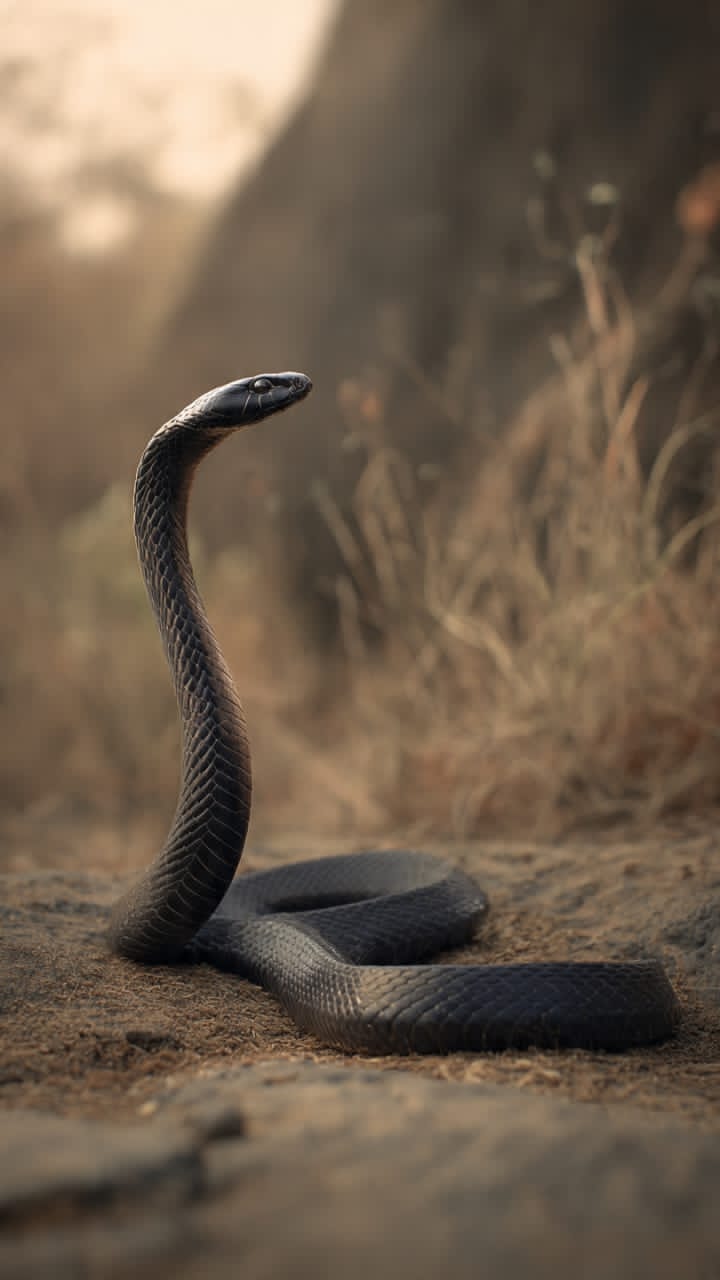
A Black Mamba was coiled in the branches, directly above us.
In that moment of pure fear, I shouted out loud:
“I am an innocent soul. I have just assisted an elderly man. Why should I die?”
The mamba went still. It did not strike.
We stood frozen. Then, with shaking legs and prayers on our lips, we kept walking. Step by step.
By God’s grace, we reached the bus stop alive.
10 hours later, at 1:00 PM, at the exact same spot, another resident named Blessing heard it hissing_.
When I asked Village Elder about it, her answer broke my heart:
“All the paths have black mambas. We are used to it.”
Used to it? Have we become used to burying our people?
MEET THE KILLER: BLACK MAMBA Dendroaspis polylepis
Known as Africa’s most feared snake for a reason.
– Speed: 20km/h. Faster than the fastest human can run
– Venom: Highly neurotoxic. Attacks the nervous system. Without antivenom, death can occur in 3-16 hours
– Active: Dawn, dusk, AND midday when hot. This explains both the 3AM and 1PM sightings
– Habitat: Tall grass, rocky paths, and abandoned routes – exactly like our bus stop path
THE HARDEST TRUTH: YOU CAN’T TELL WHEN IT’S PROVOKED
This is what makes the Black Mamba so dangerous.
Unlike other snakes, it often gives NO warning.
Possible warning signs:
1. Neck spreads – Flattens like a small cobra
2. Mouth opens wide- Showing the inky black interior
3. Body lifts – Up to 1 meter off the ground
4. Deep hissing
But often, it strikes first.
It doesn’t want to fight. It wants to escape. But if it feels cornered or surprised, it will defend itself.
Rule: Assume every mamba is provoked. Give it space. Never run.
THE NATIONAL CRISIS
According to the Ministry of Health, Jan – June 2025: 3,018 snakebite cases, 10 deaths.
80% happen in rural areas like Buhera.
The most critical gap: Most rural clinics do NOT stock Black Mamba antivenom.
In a snakebite, Time = Life.
A SECOND DANGER: ABANDONED HOMES = SNAKE TERRITORY
When I visited Mhara village, I found a new crisis. Most homes are empty as families now live in town.
What I saw: Empty houses + Waist-high grass + Rocks + Silence = Perfect snake dens.
Village elders told me: _”We come back and clean in a hurry._
That hurry is deadly. 80% of bites happen in the first 2 hours of cleaning an abandoned home.
Peak Risk: October – January, during hot weather and holiday returns.
DANGER 24/7: YOUR SURVIVAL GUIDE
If you must use the bus stop path:
1. Never walk alone – Go in groups of 4 or more
2. Wear protection – Boots and thick trousers
3. Carry 2 torches before 5AM
4. Make noise- Talk, clap, whistle. Vibrations warn snakes
5. If you see one: STOP. Back away slowly. Do NOT run or throw stones
If you are returning to an abandoned home:
1. Never go alone
2. Announce yourself – Clap and shout 10m from the house
3. Cut grass first – Clear 5m around the entire home
4. Check with a long stick – Beds, wardrobes, toilets, ceilings, corners
5. Wear boots and gloves
IF BITTEN: ACT FAST
1. GO TO HOSPITAL IMMEDIATELY – Do not wait
2. Keep the victim calm and still – Movement spreads venom
3. Remove rings, watches, tight clothing before swelling starts
4. DO NOT: Cut the wound, suck the venom, apply ice, or use tourniquets
FINAL WORD
That morning on the 3AM path, I had served an elder, and God saw me through.
But our communities cannot depend on miracles every day.
Let us not “get used to” death. Let us act.
Clear the paths. Call EMA, National Parks, and registered snake handlers. Demand antivenom in rural clinics. Protect each other.
Your life is worth more than a 20-minute shortcut.
PLEASE SHARE this with all family, church, and community WhatsApp groups.
REPORT SIGHTINGS to your Village Head, EMA, and National Parks.
About the Author:
Bigboy Madzivanzira
Health Promotion Practitioner – AHPCZ | CBR Practitioner – MRPCZ
Founder & Director, Health Promotion Clinic Trust
Zimbabwe Country Rep, CAN (CBR) Africa Network.