
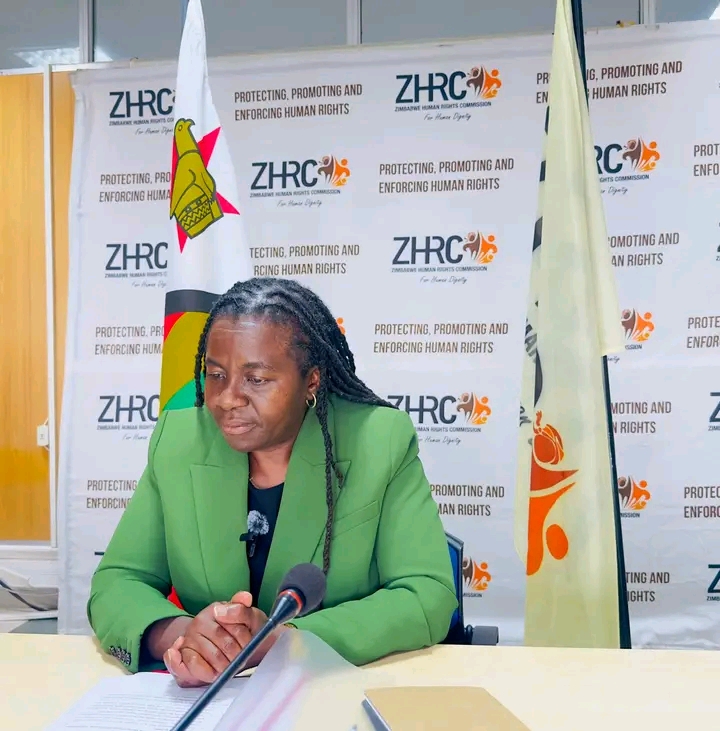
….ZHRC chairperson Commissioner Jessie Majome
By Desire Tshuma
Harare — The Zimbabwe Human Rights Commission (ZHRC) says public hearings on Constitution Amendment Bill No. 3 drew high, diverse turnouts in every province, but also featured harassment of dissenting voices, small venues that locked people out, and tightly controlled entry points.
In a press statement issued yesterday, ZHRC chairperson Commissioner Jessie Majome said teams monitored hearings from 30 March to 4 April under the Commission’s constitutional mandate. The ZHRC—Zimbabwe’s national human rights institution and public protector created under Chapter 12—is tasked by Section 243(1)(c) to promote and protect rights, monitor state compliance with constitutional and international obligations, and foster awareness of those rights.
The monitoring checked whether consultations complied with constitutional principles and human-rights standards—public participation, inclusivity, equality, access to information, freedom of expression and non-discrimination. Parliament advertised venues, dates and submission channels in advance, and meetings accepted written and email contributions. Attendance, the ZHRC noted, was high and broadly representative: women, men, youth, older persons and people with disabilities, with venues at major district centres that offered reasonable accessibility.
Most observed submissions backed Bill No. 3—extending presidential and parliamentary terms, electing the President through MPs, moving the voters’ roll to the Civil Registry, adding presidential appointees to the Senate, merging the Gender Commission into the ZHRC, and allowing traditional leaders into politics.
But the Commission flagged serious concerns. Halls were often too small for turnout, leaving many outside. People opposing the bill faced harassment and intimidation—threats, silencing, denial of opportunity to speak and, in some cases, physical attacks. In Mashonaland West, youths and men holding whips vetted participants at entrances and supervised sign-in registers. The ZHRC says such conduct breaches freedom of expression (s.61), conscience (s.60), dignity (s.51), personal security (s.52) and equality (s.56), and violates ICCPR guarantees.
“The constitutional amendment process must align with obligations under international and regional human rights law,” the statement said, calling on all stakeholders to exercise tolerance, respect divergent views and uphold constitutional values. Written and email submissions are still open as Bill No. 3 moves toward committee review and readings.