
By Bigboy Madzivanzira
We are celebrating our graduates. They move to town, to South Africa, to UK, to Australia. And in many families, the first person they take is Mother.
We clap. But have we asked: Who is left behind?
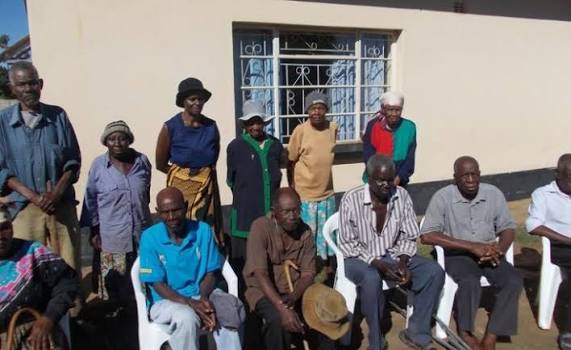
At Health Promotion Clinic Trust (HPCT), we are seeing more older men, 55 to 70, coming with stroke, high BP, depression. They have three things in common:
1. They just retired — on age or medical grounds.
2. They started a second family, or stayed with first wife who is now overwhelmed.
3. Their children have taken their mother to town or diaspora, leaving Baba alone at musha.
One Baba told me last week: “My children say their mother sold crochet and vegetables in South Africa to pay their fees. It is true, she worked hard. But it was my salary I gave her to add to that money. Now I am alone, they took her. Who will tell my side?”
This is not about blaming mothers. Mothers did hustle — 4am market, border, Madhouri orders. That hustle is visible.
Fathers’ contribution was invisible — the pay slip handed over quietly. No story, no bundle, just duty.
When gratitude goes only one way, the father feels erased. Erased men stop taking pills. They eat salt. They drink. They sit alone. Stress becomes stroke.
We call it “Father Left Behind Syndrome”
It is not just emotional. Medically:
– Isolation raises blood pressure
– No caregiver means late clinic visits
– Depression slows stroke recovery
– Financial stress from two families or empty home worsens hypertension
What can we do as a community?
At HPCT, through the proposed CBR Zimbabwe Network, we are piloting 3 simple steps:
1. See Both Contributions: When a family prepares for migration, sit with Baba and Mai and list both visible and invisible sacrifices. Let children hear both.
2. Leave a Care Plan for father: If Amai is taken, who cooks low-salt food? Who checks BP? Who has the clinic card? Who visits daily? Don’t just take mother, protect father.
3. Father Care Circles: 5-6 older men in a ward who check each other — “Did father took his medication?” ” Did you walk around today?.”Being seen is medicine.
To every graduate reading this: Taking mother is love. But do not forget the father who funded that journey silently. A thank you can prevent a stroke.
Rehabilitation is not just about walking again. It is about families staying together while they heal.
About the Author:
Bigboy Madzivanzira is a multi-faceted Medical Rehabilitation Practitioner registered with the Medical Rehabilitation Practitioners Council of Zimbabwe, a Health Promotion Practitioner registered with the Allied Health Professions Council of Zimbabwe, a Family Therapist, and a Freelance Journalist accredited by the Zimbabwe Media Commission. Bigboy is himself a stroke survivor. He is the Founder and Director of Health Promotion Clinic Trust and a CAN (CBR) Africa Network Zimbabwe Representative.