
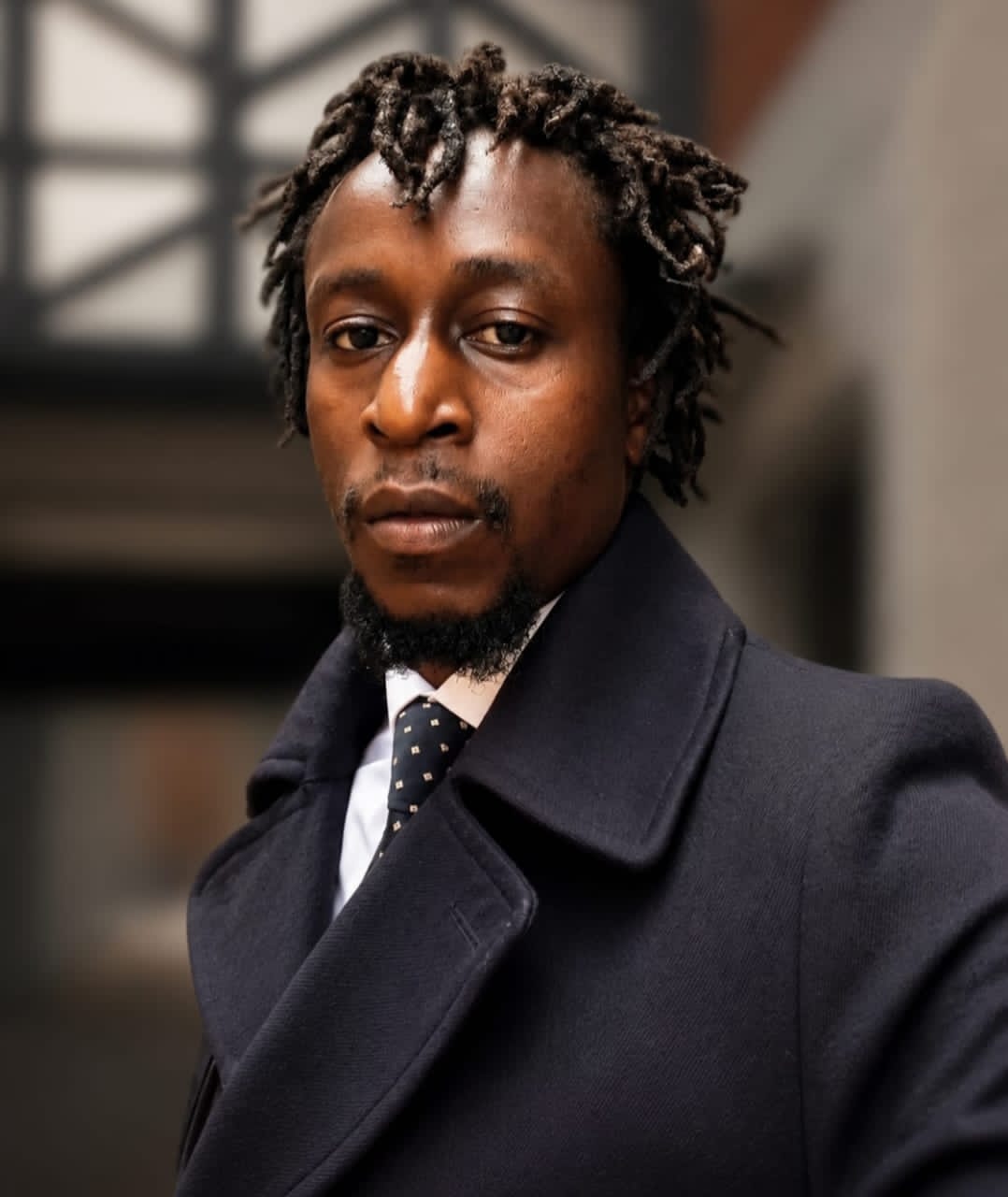
By A Correspondent – Kwenda Foundation Chairman Kundai Kwenda has outlined an ambitious vision to use music, art and Christian values as tools to heal vulnerable children, combat drug abuse and create economic opportunities for young people through creative skills development.
In a statement, Kwenda said the foundation intends to place music and the creative arts at the centre of its community programmes, arguing that creative expression has the power to restore hope, build confidence and transform lives.
“Throughout history, music and the arts have been among humanity’s greatest gifts. They inspire hope, preserve culture, strengthen communities and provide a powerful means of expressing emotions that words alone often cannot convey,” Kwenda said.
“As a musician myself, I have witnessed first-hand the profound impact that music can have on people’s lives. It is for this reason that the Kwenda Foundation is committed to placing music and the creative arts at the heart of our community development programmes.”
Kwenda said the initiative would focus particularly on orphaned and vulnerable children, giving them access to musical instruments, artistic resources and creative education to help them discover their talents and rebuild their confidence.
“We believe that every child, regardless of their background or circumstances, should have the opportunity to discover their God-given talents,” he said.
The foundation plans to introduce training in instruments including the piano, keyboard, guitar, violin, drums, marimba, brass and woodwind instruments. According to Kwenda, learning music goes beyond performance by instilling discipline, responsibility and resilience.
“Learning to play an instrument is not simply about producing music—it teaches commitment, responsibility and resilience. Every lesson learned on an instrument is also a lesson in life,” he said.
Kwenda also highlighted the role of visual arts in supporting children’s emotional wellbeing, saying activities such as painting, drawing, sculpture and photography could help young people process trauma and grief.
“A simple drawing can reveal hope where words cannot.
A painting can communicate emotions that have remained hidden for years. By investing in the arts, we invest in emotional wellbeing,” he said.
The foundation also intends to use gospel music as a platform for ministry, mentorship and spiritual development through choirs, worship groups and songwriting workshops.
“Kwenda Foundation intends to use gospel music not merely for entertainment but as a ministry of hope and discipleship,” Kwenda said.
Addressing concerns over drug and substance abuse among young people, Kwenda argued that creative engagement offers a positive alternative to destructive behaviour.
“The arts do not merely occupy time—they provide purpose,” he said.
Beyond personal development, the programme aims to prepare participants for careers in the creative economy, including music production, sound engineering, photography, graphic design, film production, event management and creative entrepreneurship.
“Our goal is not simply to create musicians and artists, but to equip young people with practical skills that can lead to sustainable employment, entrepreneurship and long-term independence,” Kwenda said.
A key part of the initiative will be the establishment of Roses in Zion Studio, which the foundation describes as a centre for music education, recording, worship, mentorship and creative arts.
The facility is expected to host gospel choirs, music therapy sessions, songwriting workshops, recording projects and community outreach programmes designed to promote faith, hope and restoration.
Kwenda said the studio would become more than a recording facility.
“We envision Roses in Zion Studio becoming more than a recording facility—it will be a place where broken lives are restored, hidden talents are discovered and future leaders are nurtured,” he said.
He called on churches, schools, musicians, businesses, artists, philanthropists, volunteers and donors to partner with the foundation by contributing instruments, art materials, financial support or professional expertise.
Concluding his vision, Kwenda said the foundation hopes to build communities where creativity replaces despair and young people are empowered to pursue meaningful futures.
“At Kwenda Foundation, we believe that a single instrument can change a life. A single song can restore hope. A single painting can begin the healing process. And a single opportunity can transform an entire future,” he said.