
Own Correspondent
The Combined Harare Residents Association (CHRA) has called on the Harare City Council to urgently prioritise the rehabilitation, upgrading and maintenance of stormwater drainage infrastructure to address recurring flooding as the rainy season intensifies.
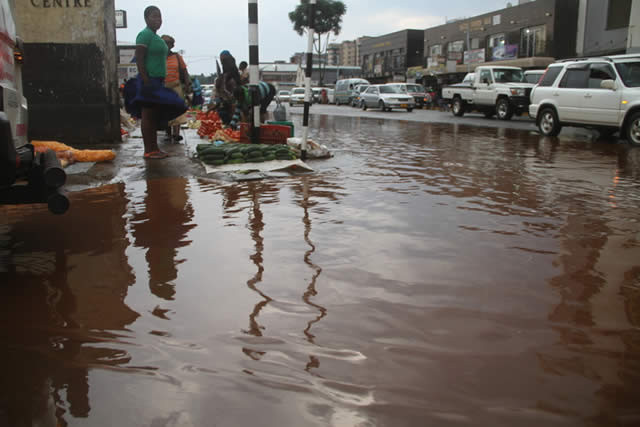
The association said persistent flooding affecting residential neighbourhoods, roads and public spaces, including the Central Business District (CBD), exposed longstanding weaknesses in the city’s stormwater management systems.
In a statement, CHRA said every urban settlement and spatial development should have a stormwater drainage master plan, with infrastructure regularly maintained to minimise the risk of flooding in buildings and roads.
Harare Residents Trust Vice Chairperson, Engineer Benard Musarurwa, said the existing stormwater drainage master plan for Harare needed to be reviewed and updated to accommodate new spatial developments and changes in land use.
“Just as it is the same case elsewhere as in the City of Harare, there is a need for every urban settlement and each spatial development to have a stormwater drainage system master plan, with the drainage systems maintained in optimum condition to minimise the risk of flooding of buildings and roads,” said Musarurwa.
He noted that some buildings had been constructed in wetlands and floodplains, exposing them to inevitable flooding, and called for proper spatial planning to prevent developments in vulnerable areas.
Musarurwa said the ongoing heavy rains that recently caused flooding in Masvingo town, along the Masvingo-Beitbridge Highway at Rutenga and on the Masvingo-Zvishavane Road at Mashava demonstrated the severity of abnormal weather events associated with climate change.
He said Harare needed to upgrade its existing drainage infrastructure and extend the systems to new developments and areas vulnerable to perennial flooding.
“The master plan of the existing stormwater drainage systems in the City of Harare needs to be reviewed and updated to cater for new spatial developments,” he said.
Musarurwa also emphasised the importance of regular maintenance, urging the local authority to introduce an annual programme to clear debris and vegetation from drainage systems before the onset of the rainy season.
He further called for regular inspections throughout the rainy season to ensure that stormwater drains remain unobstructed.
“There is a need to clear roadside stormwater drains as well as cross-drainage and access culverts to ensure the safe passage of stormwater runoff without ponding or damaging the roads,” he said.
Engineer Musarurwa also highlighted the tragic consequences of flooding, noting that a toddler had recently been washed away and died in a stream in one of Harare’s western suburbs.
He said the situation underscored the urgency of improving urban drainage infrastructure and strengthening measures to protect residents, particularly children, from flood-related dangers.
Eng Musarurwa pointed to Botswana as an example, noting that the country prepares stormwater drainage master plans for each major human settlement alongside physical layout plans and designed road networks.
He said Zimbabwean local authorities should adopt similar planning approaches to ensure that drainage infrastructure was incorporated into urban development from the outset.
“The stormwater drainage systems master plan must become part of the new master plans being prepared by the City of Harare Council and the other local authorities,” he said.
Eng Musarurwa said addressing the city’s drainage challenges required a comprehensive approach involving infrastructure upgrading, proper spatial planning and consistent maintenance to reduce flooding and safeguard lives and property.