
Staff Writer
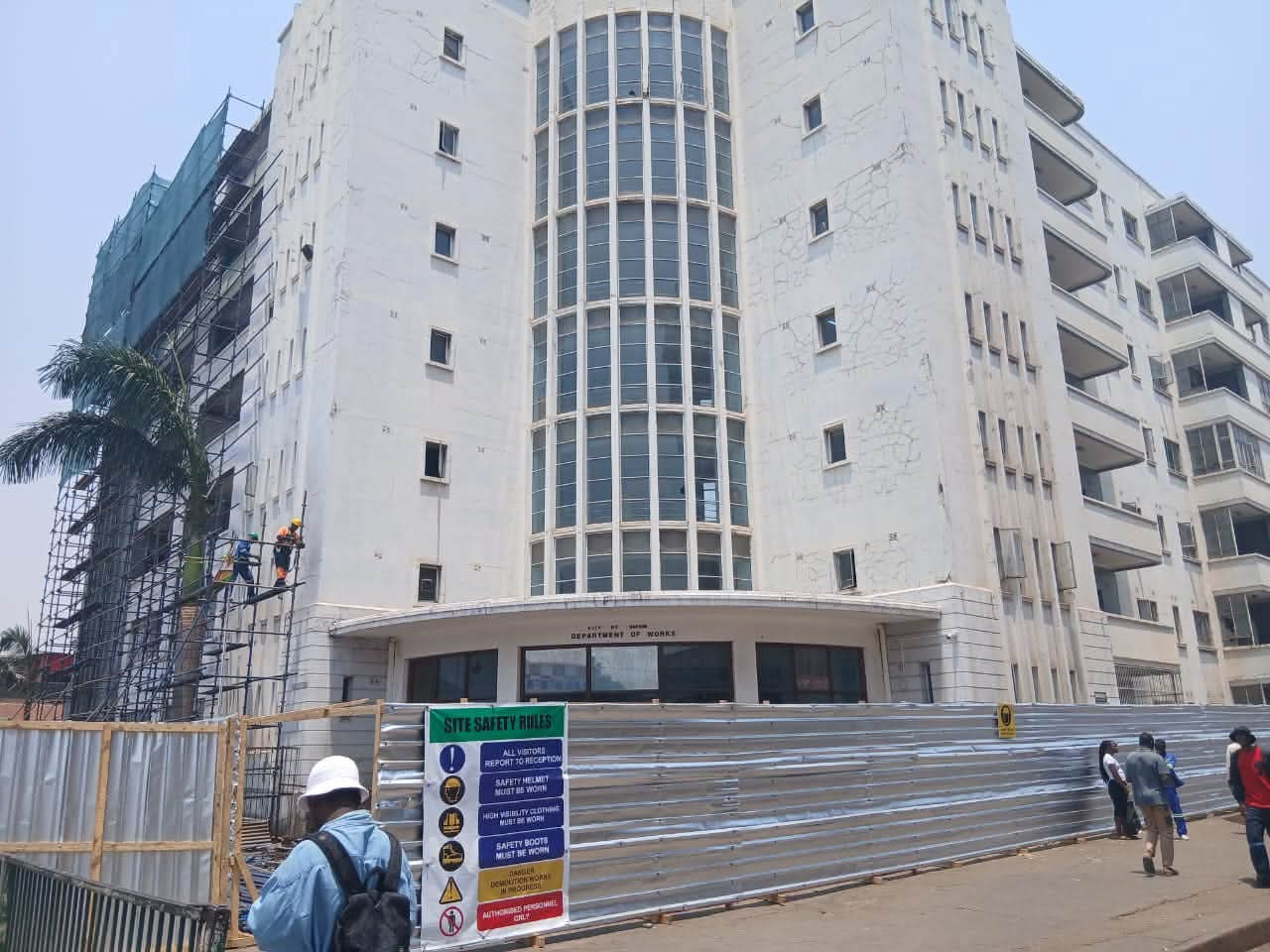
The Zimbabwe National Organisation of Associations and Residents Trust (ZNOART) has welcomed ongoing renovations and refurbishment of government and council buildings across the country, describing the initiative as a significant step towards restoring the dignity of urban centres, improving public infrastructure and protecting property values.
In a statement dated October 25, 2026, ZNOART National Chairman Shepherd Shalvar Chikomba said maintaining and renovating public infrastructure was essential in improving the urban environment and restoring public confidence in government institutions.
Chikomba said residents deserved to live and work in clean, orderly, safe and well-maintained communities where property values were protected and public infrastructure reflected the aspirations of a developing nation.
“We believe these interventions are long overdue and represent an important step towards restoring the dignity of our cities, improving public infrastructure, and preserving the value of properties in our communities,” said Chikomba.
He commended the Minister of Local Government and Public Works for prioritising the maintenance and improvement of public infrastructure, but called for the programme to extend beyond selected buildings to cover all public facilities managed by government and local authorities.
Chikomba said government offices, council offices, banking halls, community halls and other public facilities should be renovated, modernised and properly maintained.
“It is not enough to demand compliance from residents and businesses while public infrastructure is neglected. Government institutions and local authorities must demonstrate their commitment to orderly urban development through the proper maintenance of the facilities under their control,” he said.
Chikomba also called on local authorities to establish designated, properly serviced and accessible marketplaces for vendors to enable them to conduct their businesses in an orderly and safe environment.
He said providing designated trading spaces would promote orderly trading, protect public health, improve waste management and support thousands of people who depended on vending for their livelihoods.
“We believe that vendors must be accommodated within the broader framework of urban planning rather than operating in environments that compromise public safety and the orderly functioning of our cities,” he said.
The organisation further called for the restoration and protection of recreational facilities that had allegedly been invaded, encroached upon or converted into residential stands and other developments.
Chikomba said ZNOART was equally concerned about land reserved for essential public amenities, including schools, clinics and other community facilities, warning that such land should be protected from unauthorised development.
“Recreational facilities are not luxuries; they are essential community assets. They provide spaces for sports, recreation, social interaction, and the healthy development of children and young people,” he said.
He noted that recreational spaces also played an important role in preventing drug and substance abuse by providing young people with opportunities to participate in sports, community activities and other constructive programmes.
Chikomba urged government and local authorities to review the status of public recreational spaces and land reserved for community amenities, take appropriate action where encroachment had occurred and ensure that the facilities were restored and made accessible to residents.
He further emphasised the importance of placing residents at the centre of urban development, saying development initiatives should balance infrastructure maintenance, economic activity, environmental protection and the preservation of public spaces.
“Residents must be actively involved in initiatives that improve their neighbourhoods and safeguard their investments. Protecting property values requires planned development, functional infrastructure, proper waste management, reliable service delivery, and the enforcement of relevant laws and regulations,” Chikomba said.
He encouraged residents’ associations, community leaders, local authorities and other stakeholders to work together towards building cleaner, safer, more orderly and better-maintained communities.
“As the national apex body representing residents and residents’ associations across Zimbabwe, ZNOART remains committed to supporting resident-based initiatives that promote improved service delivery, orderly urban development, transparency, accountability, and the restoration of public infrastructure,” he said.
ZNOART is an apex body representing residents and residents’ associations across Zimbabwe. Its areas of focus include service delivery, community development, infrastructure development, environmental protection and waste management, healthcare, transparency and accountability, gender and social welfare, as well as the fight against drug and substance abuse.
The organisation operates under the principle, “Residents at the Centre of Development.”