
By Kevin Tafara
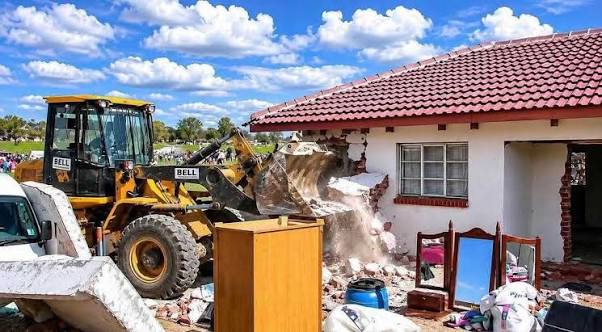
The Zimbabwe Human Rights Commission (ZHRC) has called on Government and local authorities to ensure that ongoing demolitions of unlawful structures across the country are conducted in a lawful, orderly and humane manner, warning that the exercise could leave affected families facing emotional distress, financial hardship and social disruption.
In a press statement issued on Thursday, 5 November 2026, the Commission said it had taken note of demolitions taking place in Harare and other urban centres, emphasising that while authorities had a responsibility to enforce planning regulations, such measures should respect the rights and dignity of affected people.
The ZHRC acknowledged the importance of orderly urban development and compliance with municipal by-laws, approved planning frameworks and environmental standards, including the protection of wetlands and other environmentally sensitive areas.
However, the Commission cautioned that demolitions carried consequences beyond the physical removal of structures.
“Behind every affected household are individuals and families whose aspirations for secure shelter and a dignified existence may have been compromised,” the ZHRC said.
It added that the loss of homes could cause profound emotional distress, financial hardship and social dislocation, particularly affecting children, older persons and other vulnerable members of society.
The Commission urged authorities to observe all applicable legal and administrative procedures when carrying out enforcement measures and make reasonable efforts to reduce the hardships associated with displacement.
“Where enforcement action becomes necessary, the Commission encourages that all applicable legal and administrative processes be observed and that every reasonable effort be made to mitigate the hardship occasioned by displacement,” it said.
The human rights body also argued that addressing unlawful settlements required more than demolitions, calling for action against the underlying housing challenges that continue to expose prospective homeowners to exploitation.
It noted that population growth and increasing urbanisation had placed pressure on existing housing delivery systems, while the shortage of affordable and legally allocated residential stands had made low-income households vulnerable to land barons and unscrupulous land dealers.
According to the Commission, some families invest their life savings in residential stands sold or allocated in undesignated areas, only to face displacement and substantial financial losses when authorities move in to demolish the structures.
“The most enduring solution lies in strengthening housing delivery systems, improving access to appropriately designated residential land and ensuring that urban development is adequately planned, regulated and responsive to the needs of growing communities,” the ZHRC said.
The Commission called on local authorities to accelerate the development of residential land, progressively reduce housing waiting lists and establish transparent and accessible systems for allocating stands.
It also urged Government and local authorities to work together to ensure that the supply of serviced residential land keeps pace with urbanisation and growing housing demand.
On accountability, the ZHRC called for investigations into fraudulent land sales, unlawful land allocations and corruption, urging law enforcement agencies to ensure that those responsible were held accountable.
The Commission further advised prospective homeowners to exercise due diligence before purchasing residential stands by verifying land allocations, confirming whether properties were designated for residential purposes and consulting relevant local authorities before starting construction.
It encouraged members of the public to avoid informal land transactions and use recognised and legally established housing delivery channels.
The ZHRC maintained that enforcing planning regulations, protecting the environment and safeguarding human rights were complementary responsibilities that should guide urban development.
“While the enforcement of the law remains an essential responsibility of the State, equal attention must be directed towards ensuring that citizens have realistic and accessible opportunities to secure housing through lawful channels,” the Commission said.
It reaffirmed its commitment to engaging Government, local authorities and other stakeholders in promoting lawful urban development, administrative justice and the protection of human rights.