
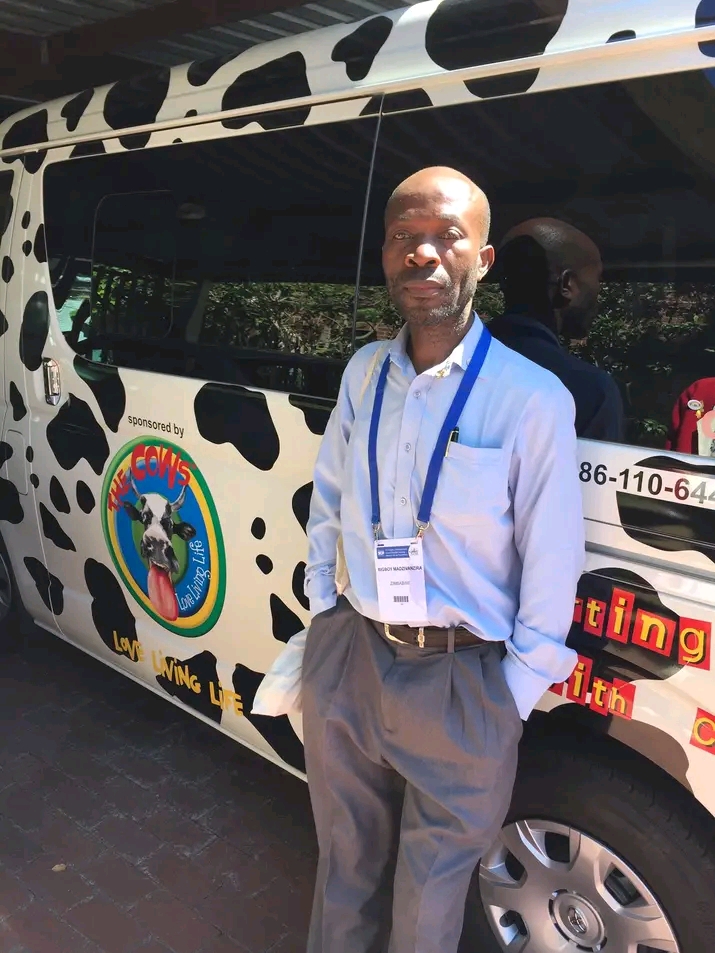
By Bigboy Madzivanzira
Harare, 29 October 2026 – This week in Harare, at a registered Private Voluntary Organisation (PVO) serving children with disabilities, a parents meeting called by the Board of the PVO for parents of currently enrolled children collapsed into deadlock.
“Who called who at this meeting?” asked a parent of a currently enrolled child, speaking without authority from the Board Chairperson. He was supported by two other parents present. Their demand: include former parents and parents of late children, or current parents would leave the meeting.
Reference in minutes: The same parent then threatened: “Board Chairperson, time will come soon that will remove you and your Board. I have a child with disability here suffering because of your system with the one you call General Manager.”
He pointed finger while speaking. The meeting ended without resolving current children welfare issues – feeding, therapy, safety.
As a journalist covering the disability sector, I have seen this pattern in most organisations changing from informal community projects to registered Private Voluntary Organisations – PVOs – under PVO Act Chapter 17:05.
THE TRANSITION NO ONE EXPLAINS
For years, many disability centres operated informally. Parents, pastors, community leaders were everything – donors, volunteers, managers. A parent could walk into classroom anytime, pick his child, sit in hostel, advise teacher. That was love, family. But love without law is dangerous for children with disabilities.
When Government through Ministry of Public Service, Labour & Social Welfare and Registrar of PVOs demanded formalisation, everything changed overnight.
Board of PVO became legally liable, not parents. General Manager became employee implementing law, not community coordinator. Child Protection Policy, Safeguarding, Reception, Visitor’s Book, Access Control became mandatory legal requirement. Photos, videos of children became regulated. No policy = Deregistration, closure, prosecution.
For parents and persons with disabilities who built these centres, this feels like betrayal. “Staff we engaged are now cause of our being sidelined,” they say. In many PVOs, there was no child protection policy before. Now it is there. It advises parents that they will not just move in classes at will but to report at reception. This creates problems as they regard it as denied freedom.
WHO IS THE GM? JUST FOLLOWING GUIDELINES
Investigation at this PVO shows GM is just following guidelines. Board clarified: Child Protection Policy now requires all parents report at Reception, sign visitors book, be escorted to meeting room. Why? To protect your child from abuse, trafficking, strangers.
If the PVO allows anyone to walk into dormitory of girls with disabilities without signing, and abuse happens, who goes to prison? Not parent. Board Chairperson and GM will be arrested per Children’s Act. PVO will be closed. GM is not blocking parents. GM is following Board policy and Government law.
THE REAL PAIN BEHIND ANGER
What the parents are really saying is not “Who called meeting?” What they are really saying is: “We built this centre, now we are visitors. We are losing ownership.” And they are right to feel that.
SOLUTION: WHAT WORKING PVOs DO
1. SENSITISATION BEFORE IMPLEMENTATION: Explain PVO Act in Shona, invite Dept of Social Development officer to explain, not GM.
2. PARENTS COMMITTEE AS BRIDGE: Don’t remove parents – give them structured voice. The PVO in question now proposes 5-member Parents Committee to meet monthly with GM and quarterly with Board.
3. VISUAL EDUCATION AT RECEPTION: Post in Shona: “Tinokukumbira kumira pa Reception kudzivirira mwana wenyu. Mutemo we Hurumende, kwete wa GM.”
4. SEPARATE MEETINGS: Current parents need focused meetings for daily issues. All stakeholders including former parents need general meeting twice a year. The Board has now called All Stakeholders Meeting in November 2026.
5. WRITTEN GRIEVANCE PROCEDURE: Verbal grievances become shouting. Written grievances create record and respect.
LESSON FOR ZIMBABWE
Zimbabwe has hundreds of disability centres transitioning to PVO status. If we don’t handle transition well, we will have more deadlocks, more threats to remove Boards, more children suffering.
Protection must not feel like rejection. The child with disability in every PVO does not care who called meeting. The child cares: Is my food there? Is my teacher kind? Is my dormitory safe?
Board must listen more. Parents must follow procedure more. GM must be protected as implementer.
About the Author: Bigboy Madzivanzira is a multi-faceted Medical Rehabilitation Practitioner, disability rights advocate and community health journalist based in Harare. His work focuses on PVO governance, child protection, inclusive development and disability rights. He is the Founder and Director of Health Promotion Clinic Trust.He is also CAN Africa Network Zimbabwe Representative. He can be contacted on 0773 367 913 or email: healthpromotionclinic@gmail.com