
Staff Writer
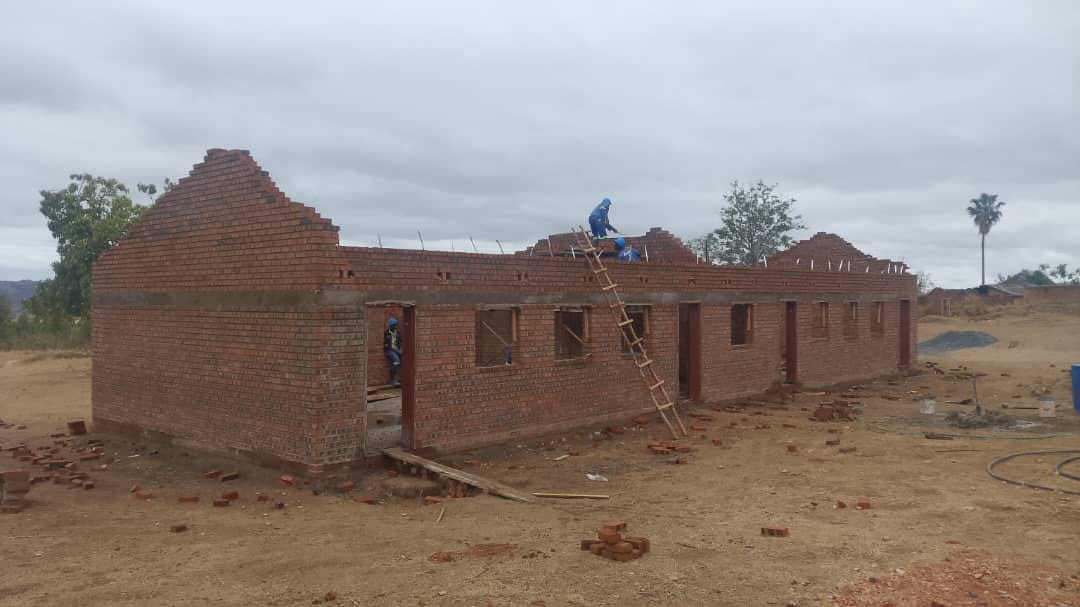
The Tobacco Industry and Marketing Board (TIMB) is investing in education infrastructure at Mapako Primary School in Mashonaland Central Province, with the project progressing towards providing learners with a modern learning environment.
The initiative forms part of TIMB’s efforts to give back to tobacco-growing communities as the organisation celebrates 90 years of service.
In a statement, TIMB said its investment in education was visibly taking shape at the school, bringing the project closer to delivering improved learning facilities for children in the community.
“By improving learning infrastructure, we are helping to create environments where learners can thrive and reach their full potential,” TIMB said.
The organisation said the initiative was also a way of recognising tobacco growers in Mashonaland Central who continue to contribute to the growth and success of Zimbabwe’s tobacco industry.
The classroom development project reflects TIMB’s commitment to supporting community development beyond tobacco production and marketing, with improved educational facilities expected to provide learners with a more conducive environment for learning.
Established in 1936 as the Tobacco Marketing Board, TIMB is a statutory regulatory body responsible for overseeing and regulating Zimbabwe’s tobacco industry. It was renamed the Tobacco Industry and Marketing Board in 1997 following amendments to the Tobacco Marketing and Levy Act.
Its mandate includes regulating tobacco production and marketing, registering growers, licensing tobacco buyers and auction floors, promoting tobacco exports and providing market information to industry stakeholders. The board also works to support sustainable tobacco production and improve the viability of growers.
TIMB’s investment in Mapako Primary School highlights the organisation’s focus on supporting communities that contribute to the tobacco sector, as it marks nine decades of operations.
Under its message, “Building the Future, One Classroom at a Time,” TIMB said the project was part of its broader efforts to contribute to community development and create opportunities for future generations.