
By Simba Matake
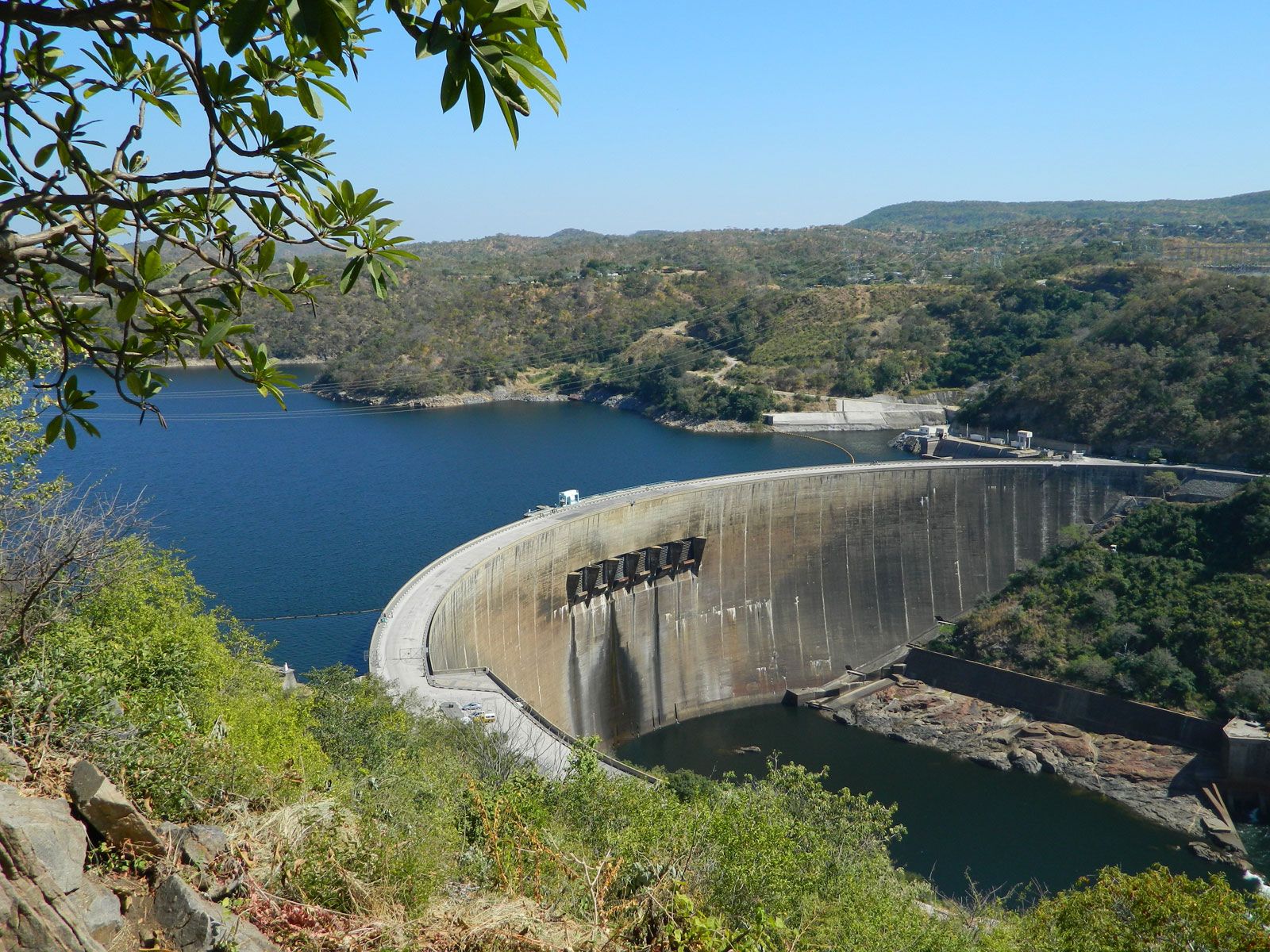
The Zambezi River Authority (ZRA) has reduced the combined water allocation for power generation at Kariba Dam to 23 billion cubic metres (BCM) for 2027, warning that forecast El Niño conditions could bring below-normal rainfall across much of Zimbabwe, Zambia and the wider southern African region.
The allocation will be shared equally between Zambia’s ZESCO Limited and Zimbabwe’s Zimbabwe Power Company (ZPC), with each utility receiving 11.5 BCM, ZRA Acting Chief Executive Peter Kapinga said in a statement released on Wednesday.
The reduction follows forecasts indicating an increased likelihood of below-normal rainfall from October 2026 to March 2027, raising concerns about water inflows into Lake Kariba and the sustainability of electricity generation at the shared reservoir.
The projections are based on the 33rd Southern Africa Regional Climate Outlook Forum (SARCOF-33), held in Swakopmund, Namibia, from August 25 to 28, 2026, as well as forecasts from the national meteorological agencies of Zambia and Zimbabwe and the authority’s internal inflow projections.
According to ZRA, El Niño conditions developing in the tropical Pacific are expected to strengthen, potentially worsening rainfall deficits across the central and southern parts of the Southern African Development Community (SADC) region.
Southern Zambia and much of Zimbabwe are expected to experience below-normal rainfall during the early part of the 2026/2027 rainy season, with the dry conditions likely to extend across most areas of both countries between January and March 2027.
At the approved 2027 utilisation level, Lake Kariba is projected to close the year at 476.80 metres above sea level, with only 5.83 BCM of usable water remaining, equivalent to 9 percent of live storage.
Despite the projected decline, the authority said the reservoir’s water situation had improved considerably compared with the same period last year, following substantial inflows during the 2025/2026 rainfall season.
ZRA said the revised combined water allocation for 2026 remains unchanged at 36 BCM, up from the initial allocation of 30 BCM. ZESCO and ZPC were each allocated 18 BCM for the year.
As of October 14, ZESCO’s Kariba North Bank had 3.53 BCM remaining from its allocation, representing 19.66 percent, while ZPC’s Kariba South Bank had a balance of 6.13 BCM, equivalent to 34.09 percent.
The authority projects that Lake Kariba will close 2026 with 16.24 BCM of usable water, representing 25.10 percent of live storage, available at the beginning of 2027.
As of Wednesday, the lake stood at 480.65 metres above sea level, holding 23.77 BCM of usable water, equivalent to 36.68 percent of usable storage.
This represents a significant improvement from October 14, 2025, when the lake stood at 477.34 metres and held only 8.25 BCM of usable water, or 12.75 percent of usable storage.
ZRA said it would continue monitoring water utilisation daily and coordinating with the two power utilities through joint technical committee meetings to ensure compliance with the approved allocations.
“The Authority recognises the importance of Lake Kariba in so far as electricity supply and economic activity in both Contracting States are concerned,” Kapinga said.
The authority urged the public to follow updates from ZRA and the national meteorological services as the region prepares for a potentially challenging rainfall season.
The Zambezi River Authority is jointly and equally owned by the governments of Zambia and Zimbabwe. It is responsible for operating, monitoring and regulating water levels in the Kariba Reservoir, a critical source of hydroelectric power for both countries.