
By Desire Tshuma
HARARE — Doctors Without Borders (MSF) has expanded its humanitarian operations to Nyamapanda following reports that more than 80,000 Malawians have passed through the reception centre amid escalating anti-migrant violence in South Africa.
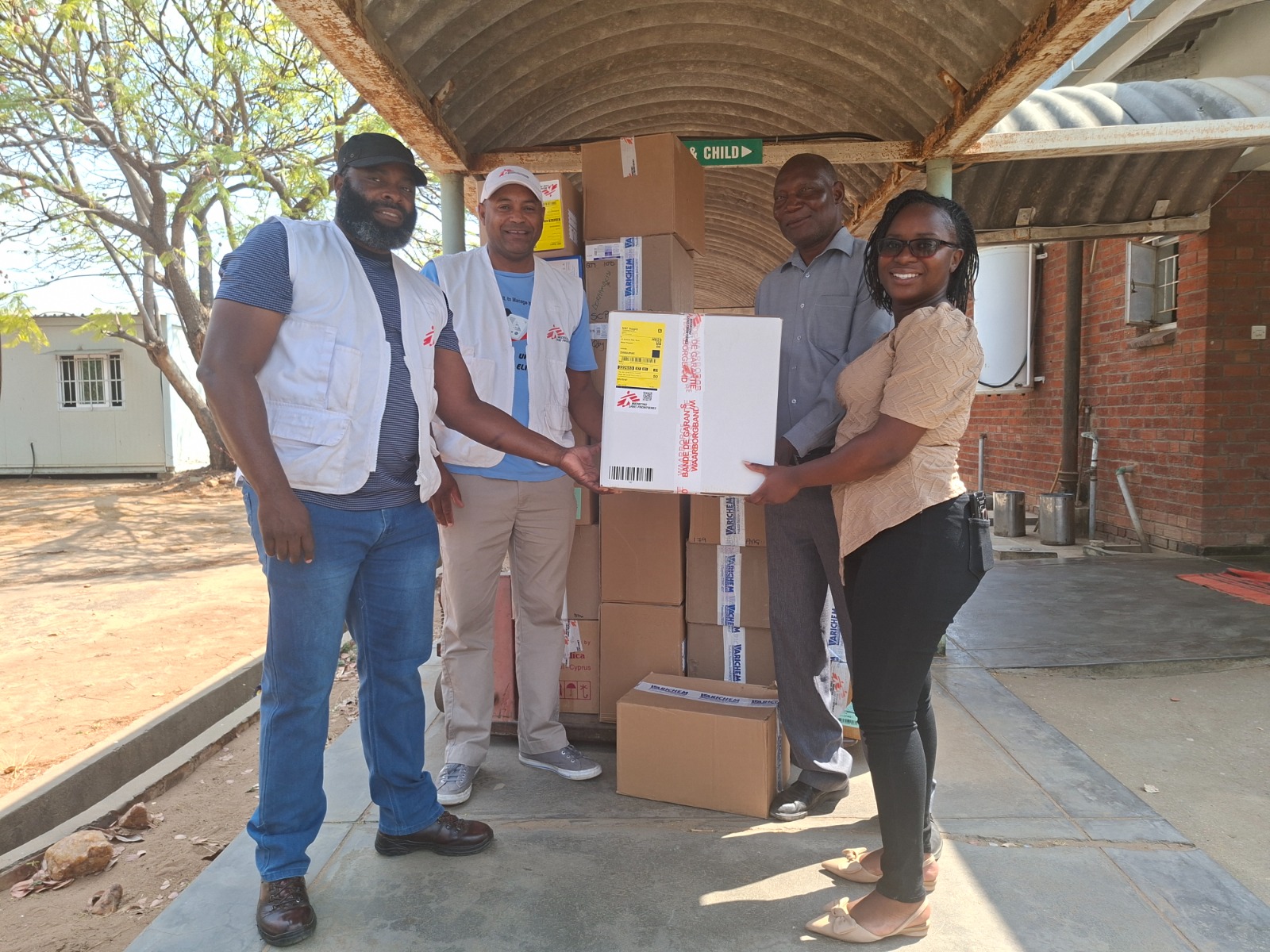
The medical humanitarian organisation has established a temporary reception centre at the Zimbabwe-Mozambique border crossing to provide emergency healthcare, food, water and overnight shelter to migrants returning to Malawi.
The intervention follows an increase in displacement linked to anti-migrant campaigns targeting foreign nationals in South Africa, where undocumented migrants have faced mounting pressure to leave following an unofficial June 30 deadline.
MSF said anti-migrant mobilisation in Gauteng, KwaZulu-Natal and the Western Cape had continued, leaving affected communities vulnerable to violence, psychological distress and disruptions to healthcare.
The expansion to Nyamapanda comes barely a month after the organisation began supporting migrants arriving at the Beitbridge Reception Centre, underscoring the growing humanitarian demands along regional migration routes.
MSF Emergency Coordinator Hebert Mutubuki said many migrants arriving at Nyamapanda were physically exhausted, emotionally distressed and in need of immediate medical attention after enduring difficult journeys.
“Many of the people arriving at Nyamapanda are exhausted and under a lot of stress after a long and difficult journey, and some are dealing with emotional trauma,” Mutubuki said.
He said MSF teams were also attending to patients with chronic illnesses, including hypertension and diabetes, as well as people suffering from skin conditions.
The emergency response, he said, was intended to bridge critical gaps in healthcare and basic humanitarian assistance while ensuring that vulnerable migrants could continue their journeys safely.
“Being here allows us to provide immediate physical and emotional support, care for those who are sick, and help ensure their care continues,” Mutubuki said.
He added that access to basic necessities remained central to the response, particularly for people arriving at the border after spending days on the road.
“Just as importantly, a hot meal, water and a safe place to rest help ensure that people are treated with dignity,” he said.
Despite reaching Zimbabwe, migrants face further challenges when they arrive at Nyamapanda after the border crossing has closed for the day.
Some are forced to wait overnight before proceeding with their journeys, exposing them to additional risks associated with inadequate shelter, limited sanitation facilities and difficulties accessing food and clean water.
“Reaching the border does not necessarily mean reaching their destination,” Mutubuki said.
He noted that some Malawians travelled considerable distances before arriving at the crossing, often physically depleted and uncertain about where they would spend the night.
“For people who may have already spent days travelling, this can create additional challenges, including finding somewhere safe to sleep, accessing water, sanitation and food,” he said.
To mitigate these challenges, MSF has established temporary overnight accommodation where migrants can rest, use washing facilities and receive hot meals while waiting for the border to reopen.
The organisation has also undertaken water, sanitation and hygiene interventions, including constructing toilets and washing facilities, restoring water connections and renovating clinic infrastructure to improve access to essential services.
MSF said its response over the past two months had extended beyond immediate relief to include primary healthcare, chronic disease management, psychological support, first aid and the distribution of hygiene kits.
The organisation is also facilitating referrals to clinics and hospitals for patients requiring specialised or continued treatment.
The interventions are aimed at ensuring that displacement does not completely sever migrants’ access to essential healthcare, particularly for those living with chronic conditions or experiencing psychological trauma.
Alongside its work at the border, MSF teams have been providing support to migrants affected by anti-migrant violence in South Africa.
At the centre of MSF’s community-based response in Johannesburg is Azalet Dube, affectionately known as “Mama Dube”, whose transition from teaching to health promotion has placed her at the forefront of efforts to reach vulnerable communities.
A trained teacher and counsellor, Dube spent a decade in the classroom before moving into health promotion, drawing on her teaching experience to communicate essential health information and connect communities with available services.
She said her passion for assisting vulnerable people, particularly children, had informed her career change.
“My love for helping people in distress, especially children, is deep, and just knowing that they are well warms my heart,” Dube said.
“My teaching experience prepared me for health promotion; it makes it easy to engage with patients or communities.”
She said she recognised that the communication and educational skills acquired in the classroom could be applied to public health outreach, enabling her to reach more people with potentially life-saving information.
Dube joined MSF nearly eight years ago as a counsellor in a migration project supporting people excluded from healthcare services in central Johannesburg.
She later served as a health promotion supervisor in an HIV project in Eshowe, KwaZulu-Natal, before joining the organisation’s Gauteng response during the COVID-19 pandemic in 2020.
During the outbreak, she and her colleagues conducted door-to-door campaigns to educate communities on handwashing, mask-wearing and access to available health services.
Her contribution attracted recognition from South African President Cyril Ramaphosa, who acknowledged her work in his weekly presidential newsletter.
However, Dube said the recognition reflected the collective efforts of the humanitarian team rather than her individual contribution.
“During the COVID-19 outbreak, we worked as a team, and this is what helped us to be effective despite the massive challenges we faced,” she said.
“The President’s recognition was a testament to teamwork; it was not just my work but a contribution by each team member.”
Dube said community engagement remained a critical component of MSF’s operations, helping establish trust and ensuring that people understood the services available to them.
She described health promotion as the entry point through which humanitarian teams build relationships with communities and create conditions for effective medical interventions.
“As the HP team, we are the front runners and the face of our interventions,” she said.
“When we arrive in a community, we explain our role as MSF, who we are, what we do, the service we offer, our protocols and how we work. Once the community accepts us, the rest of the team follows.”
She said establishing that trust enabled medical teams to deliver services more effectively, as communities were already familiar with the organisation and its interventions.
“This is all teamwork because all other teams will then get into it already knowing all is set and that makes our work easier,” she said.
As displacement continues to place pressure on communities and border facilities, MSF’s expanded presence at Nyamapanda highlights the growing need for coordinated humanitarian assistance for migrants caught between violence, prolonged journeys and uncertain destinations.
For those arriving exhausted and without immediate access to basic necessities, the reception centre offers temporary relief while providing a vital link to healthcare, shelter and other essential services.