
By Nevison Mpofu
Last week at ZANU PF Harare Provincial offices, 48 families of people with disabilities were lifted out of what could be described as “chicken poverty” after receiving equal shares of donated chicks through a philanthropic initiative led by Jimaya Muduvuri.
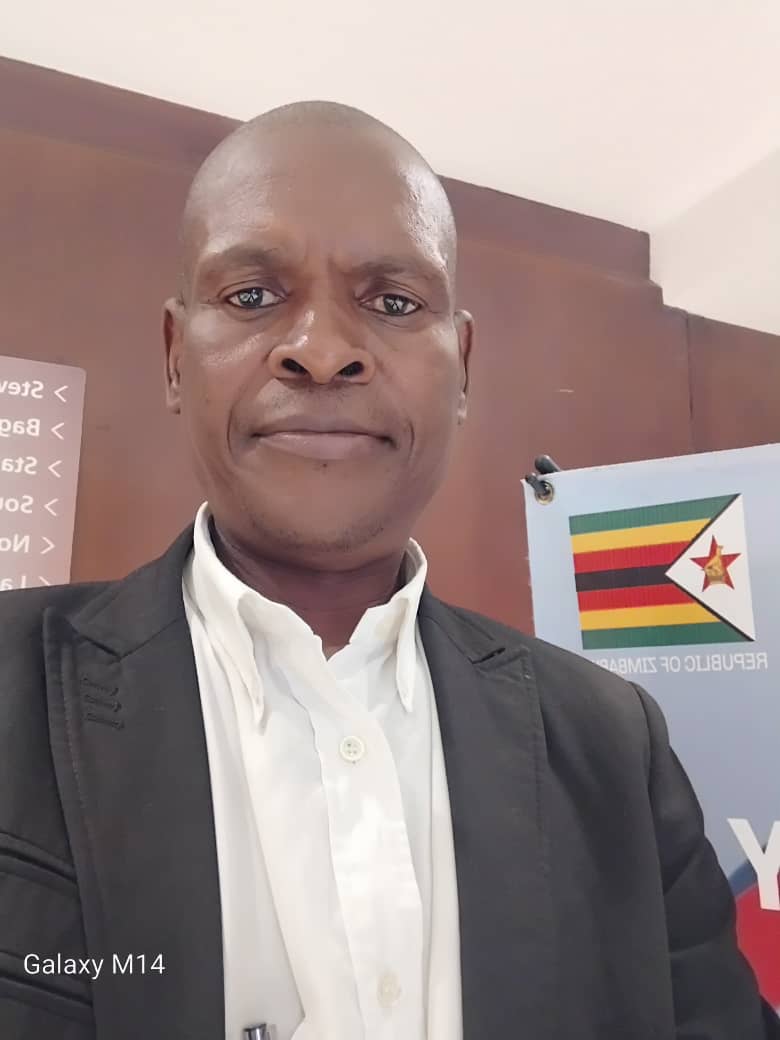
The programme brought together a large number of families representing people with disabilities. Through the ZANU PF national leadership, People With Disabilities for ED (PWDs4ED) organisational structures, and the coordinated efforts of Jimaya Muduvuri and Josiah Dimbo( pictured) the beneficiaries received their share of the donated chicks.
Speaking at the handover ceremony, Josiah Dimbo, a staunch supporter of President Emmerson Mnangagwa, said the ongoing programme was aimed at helping people with disabilities improve their livelihoods and move out of poverty.
“Hence the reason why we support people with disabilities. We want them lifted out of poverty. They deserve what others get. Yes, they are disabled, but let us not say they do not know what we know.”
“They know other things we do not know as well. They work just as hard as we do. Let us call them ‘people with disabilities’, not ‘people living with disabilities’.”
Collins, who distributed the chicks, said 90 percent of them were road runners, while 10 percent were broilers.
He said the road runner chicks take about three months to reach maturity and begin laying eggs at around four months.
“These are road runner chicks. They take three months to be fully mature and then four months to lay eggs,” he said.
Previllege Muzondi, Vice Chairperson of People With Disabilities for ED (PWDs4ED), said 48 families from the six zones of Harare benefited from the programme without discrimination, favouritism, political affiliation or marginalisation.
“Disability is disability. We do not want to leave anyone behind, no place behind. We supported 48 families from the six zones of Harare. This will go on as such. We have come a long way, and now we are reaching all people with disabilities. We take every person with a disability without favour, selection, segregation or any form of leaving others behind.”
The Vice Chairperson further stressed that people with disabilities should be treated equally and given opportunities to participate in economic empowerment programmes.
“As long as people are disabled, they are just like all others. We say ‘people with disabilities’, not ‘people living with disabilities’.”