
By Desire Tshuma
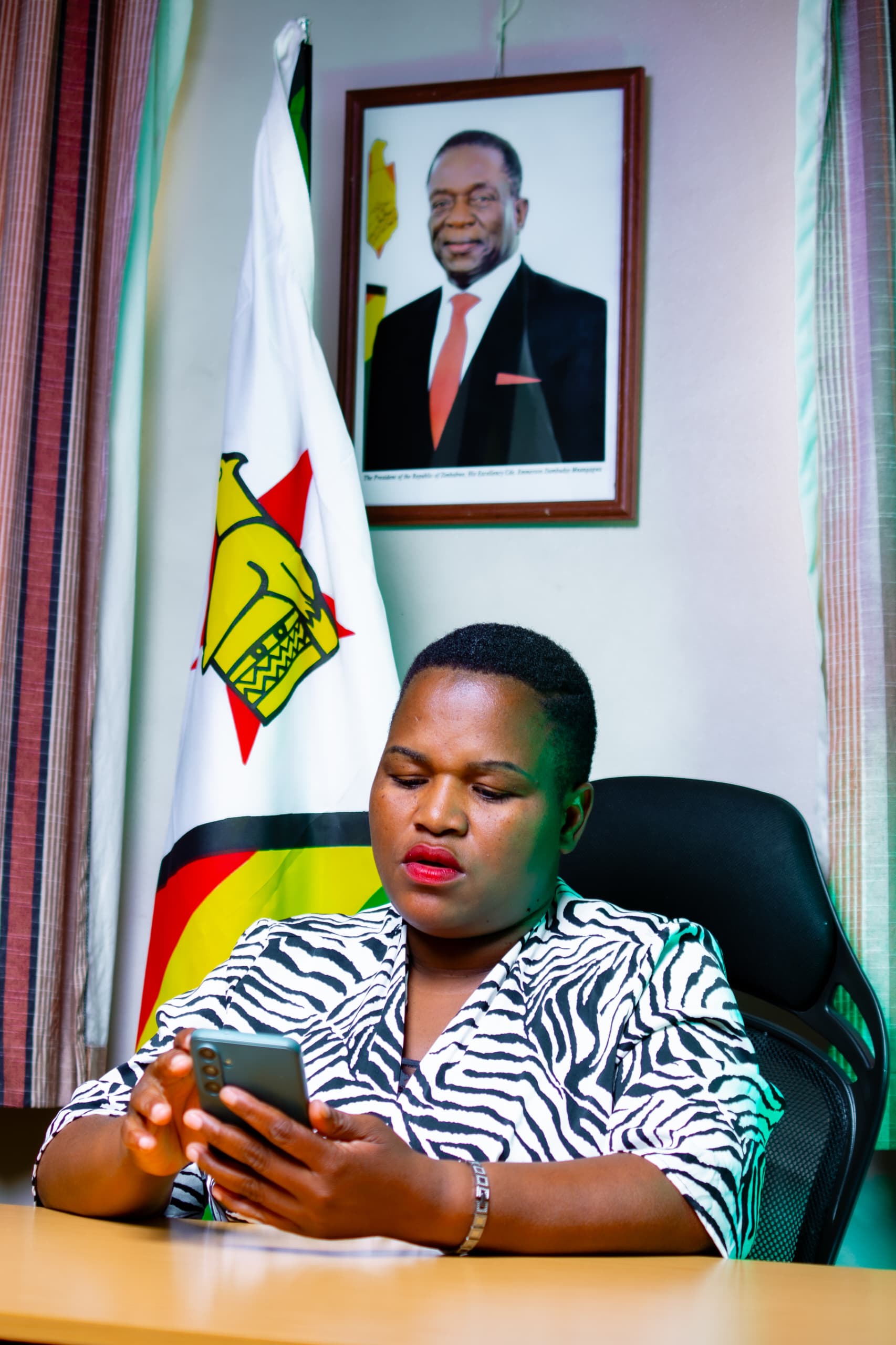
HARARE – As Zimbabwe marks Heroes Day and Defence Forces Day, the commemorations must go beyond ceremony and become a moment of reflection on duty, sacrifice and the unfinished work of economic emancipation, says historian and governance analyst Dr Abigale Mupambi.
Speaking ahead of the national commemorations, Dr Mupambi said the days were a reminder that “each generation has its own obligation, and each generation has to face its own revolution.”
“Once upon a time there was a youthful generation in the 70s that had options just like we do today,” Dr Mupambi said. “But it is that generation that chose to be selfless, that chose to be focused. When unity was not uniform, they chose unity. They took diverse views and turned them into strength towards one goal: liberating the country, liberating native Zimbabweans.”
That struggle delivered political independence in 1980. But Dr Mupambi noted that political freedom alone did not end inequality. Land, she said, remained in the hands of the minority, locked in by colonial laws such as the Land Apportionment Act of 1930 and the Land Husbandry Act which pushed the majority into tribal trust lands.
“Post-independence, Zimbabwe had to confront the land question head-on because the land is not just soil. The land is married to minerals. The land is married to production. The land is food security. The land is the economy,” Dr Mupambi said.
She said the current generation is now tasked with consolidating those gains through programmes such as the title deed scheme and ensuring land benefits women, youth and native Zimbabweans.
“We are in the midst of an economic revolution. And like in any revolution, there are forces of resistance — neocolonialism, corruption, and the illegal sanctions that continue to delay the aspirations of our people,” she said.
Despite those challenges, Dr Mupambi said Zimbabwe has shown resilience. She pointed to efforts to empower SMEs, to ensure mining claims and tributes go to locals, and to attract investors who partner with communities for development that is just and fair.
“One thing that has always come out clear is that the land reform is irreversible. Yes, we attracted sanctions because of this question. But we have remained resilient, making sure that development is devolved and that resources circulate back to our people,” Dr Mupambi said.
As the nation honours the fallen, she called for equal attention to the living heroes and heroines of the Second Chimurenga.
“The question of their welfare has remained topical. The question of empowerment within that sector has remained topical. How do we incubate their aspirations and make sure that what they fought for is not in vain? That remains a challenge, a gap, and a national responsibility,” she said.
Dr Mupambi said the commemorations must also drive intergenerational transfer of knowledge and ideology.
“Intergenerational capacitation is very, very key at this juncture. To the youth, there is a lot to learn from the generation that passed the baton. Our history is our heritage. Lest we forget that we still have our fallen heroes in shallow graves. Some are being reburied. Some are represented by the Tomb of the Unknown Soldier at National, Provincial and District Shrines across our sovereign Zimbabwe,” she said.
She ended with a call to action: “Aluta Continua”. Heroes and Defence Forces Day must remind us that while 1980 gave us political independence, today we must deliver economic independence. That is how we honour both the departed and the living.”