
By Desire Tshuma
Murehwa – Zimbabwe must strengthen climate-resilient health systems and invest in communities to withstand the growing impact of drought and other climate-related shocks, Deputy Minister of Health and Child Care Sleiman Kwidini has said.
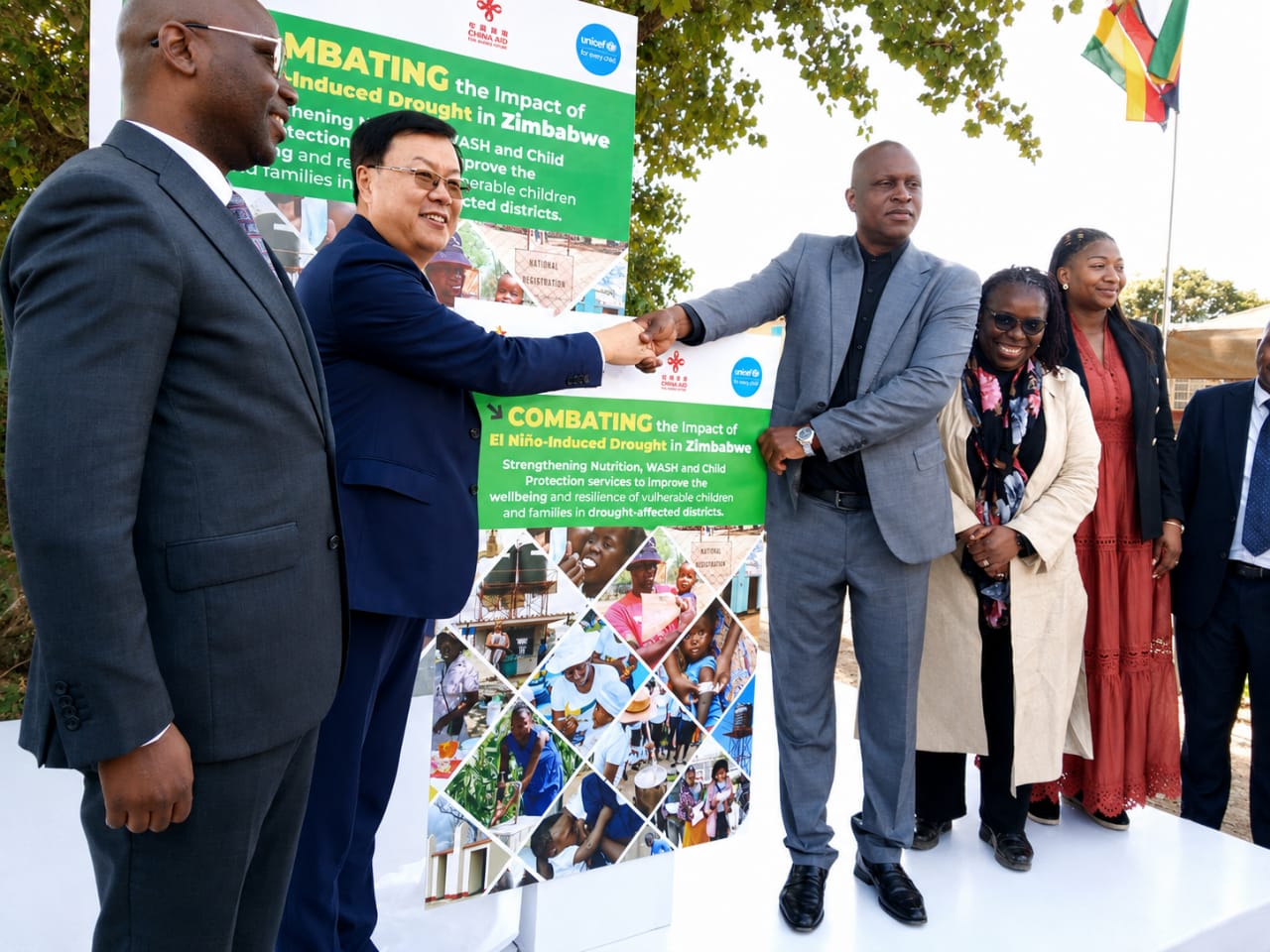
Kwidini made the remarks while delivering the keynote speech at the launch of the China Aid Grant Project in Goromonzi, Mashonaland East. The project seeks to mitigate the effects of the El Niño-induced drought through improved nutrition, water, sanitation and hygiene, and child protection services.
The initiative is supported by the Government of China and implemented in partnership with UNICEF. It comes as communities across Zimbabwe continue to grapple with the effects of drought, including water shortages, food insecurity, malnutrition and increased vulnerability among children.
Kwidini said the launch was significant as the country seeks to strengthen its capacity to respond to climate-related emergencies while protecting the health and wellbeing of vulnerable communities. He stressed the importance of developing health and social service systems that can continue functioning effectively in the face of droughts, floods and other climate-related disasters.
The Deputy Minister said government could not address the consequences of climate change alone, underscoring the need for stronger collaboration between government, development partners, communities and other stakeholders.
The China Aid Grant Project is expected to strengthen interventions in nutrition, WASH and child protection, with particular attention being paid to children and families living in communities most affected by the drought.
UNICEF Zimbabwe Representative Mrs Etona Ekole said the programme demonstrated the importance of international partnerships in protecting children from the devastating consequences of climate shocks. She said drought was not only a food and water crisis but also a threat to children’s health, nutrition, education and protection.
The project will support communities with interventions aimed at improving access to safe water and sanitation, strengthening nutrition services and reinforcing child protection mechanisms. Stakeholders at the launch said the integrated approach was critical because drought affects several aspects of household and community wellbeing simultaneously.
The initiative also reinforces Zimbabwe’s efforts to move beyond emergency responses towards building long-term resilience among communities vulnerable to climate change.
With climate-related shocks becoming an increasing threat to livelihoods and essential services, government and its development partners are placing greater emphasis on preparedness, resilience and sustainable community-based interventions. The China-supported programme is therefore expected to provide critical assistance to vulnerable communities while contributing to Zimbabwe’s broader efforts to build a stronger and more climate-resilient health and social protection system.