
By Desire Tshuma
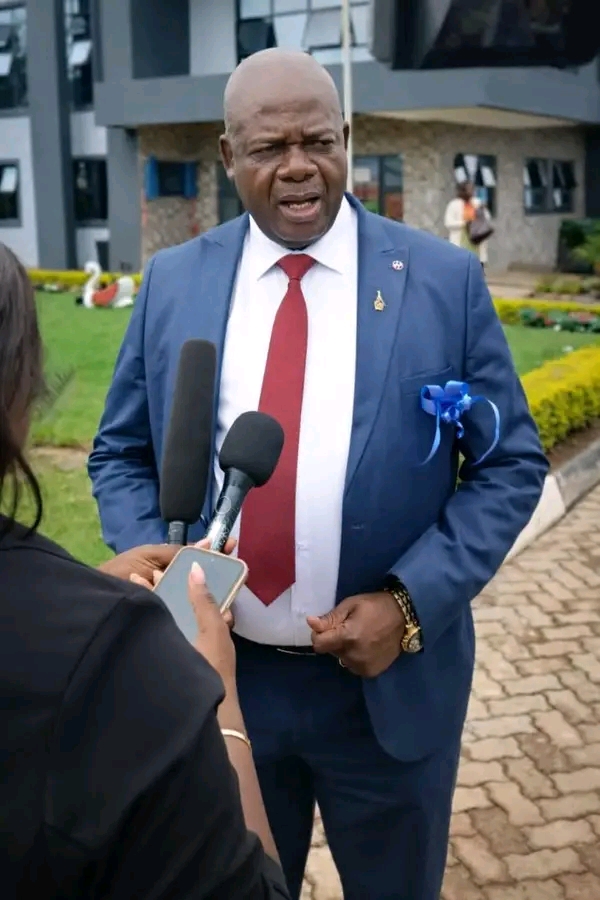
Harare – Minister of Primary and Secondary Education Torerai Moyo on Tuesday officially launched the Education Coalition of Zimbabwe’s Strategic Plan 2026–2030, challenging stakeholders to turn policy into measurable gains for learners.
Speaking under the theme “Strengthening Voices, Shaping Policies, Transforming Education”, Moyo said the plan marks “the articulation of a collective vision, a declaration of intent, and a commitment to shaping a better future for our children and our nation”.
The Minister anchored the strategy in Zimbabwe’s national goal of becoming an upper-middle-income society by 2030, arguing that education is the key driver.
“Education remains the most powerful instrument through which we can unlock human potential, develop productive citizens, and accelerate sustainable development,” Moyo said, citing Nelson Mandela’s words that “education is the most powerful weapon which you can use to change the world”.
He linked the ECOZI plan to President Emmerson Mnangagwa’s mantra of “Leaving No One and No Place Behind”, stressing that the sector must ensure “every learner, regardless of geographical location, socio-economic status, gender, disability, or circumstance, has access to quality, relevant, and transformative education”.
Moyo highlighted the Heritage-Based Curriculum as central to ongoing reforms, saying it aims to produce “innovators, creators, problem-solvers, entrepreneurs, and responsible citizens” rather than just job seekers.
“Education is not preparation for life; but education is life itself,” he said, adding that learning must be grounded in Zimbabwe’s values and responsive to community realities.
The ECOZI strategy aligns with National Development Strategy 2 and supports frameworks including the Inclusive Education Policy, School Financing Policy Framework, Foundational Literacy and Numeracy Programmes, Digital Learning and ICT Integration, Climate Change Education, and Learner Welfare and Protection.
Unpacking the launch theme, Moyo said strengthening voices means giving learners, teachers, parents and marginalized groups a role in shaping outcomes. Shaping policies requires grounding decisions in evidence and consultation. Transforming education means moving “beyond rhetoric towards measurable improvements in learning, equity, innovation, and opportunity”.
Facing challenges from AI, climate change and shifting labour markets, the Minister said no single institution can respond alone. He called on ECOZI to keep serving as a constructive partner through advocacy, research and social accountability.
“Strategies do not transform societies; people do. Plans do not educate children; committed stakeholders do. Documents do not change outcomes; implementation does,” Moyo said.
He concluded by urging the coalition to ensure the plan becomes “a catalyst for renewed collaboration, stronger stakeholder engagement, and lasting improvements in the lives of learners and communities across Zimbabwe” before officially launching the 2026–2030 strategy.