
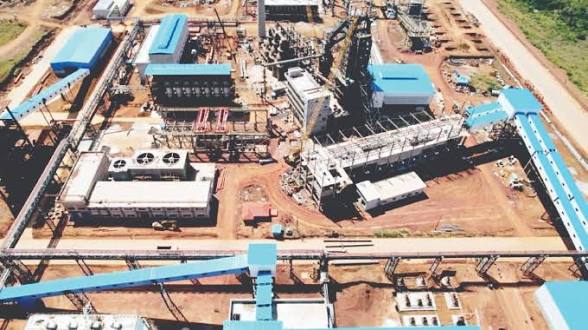
MANHIZE – A storm is brewing at the Dinson Iron and Steel Company (DISCO), one of Zimbabwe’s flagship industrial projects, amid serious allegations of political interference, labour discrimination, and community displacement involving its Chief Executive Officer, Mr Benson Xu.
The multi-billion-dollar investment, widely regarded as a cornerstone of Zimbabwe’s steel revival, is now facing scrutiny over claims that its leadership has overstepped corporate boundaries and ventured into the country’s sensitive political landscape.
Sources close to the developments allege that Mr Xu has taken an active stance against Constitutional Amendment Bill No. 3 (CAB 3), a government-backed legislative proposal.
The CEO is further accused of hosting outspoken government critic Rutendo Matinyarare at the Manhize plant, in what insiders’ claim was part of a broader effort to mobilise opposition to the amendment. While these claims could not be independently verified at the time of publication, they have sparked debate about the role of foreign investors in domestic political processes.
However Chief Executive Officer, Mr Benson Xu through his PR manager Mr Joseph Shoko said he was not aware of the allegations
“Am not aware of the allegations will need time to consult with colleagues” said Shoko.
Further controversy surrounds reports that meetings involving Mr Matinyarare and a senior company official were held with local communities without the involvement of government authorities. Observers say such engagements risk undermining established governance systems by creating parallel channels of influence.
Meanwhile, residents of the Mushenjere area have raised concerns over their living conditions since the establishment of the steel plant. Villagers allege that access to their farmland has been restricted for four consecutive agricultural seasons following the construction of a perimeter wall around the mining area. More than 80 families are reportedly affected, with many citing food insecurity, exposure to dust, and health challenges.
“They say we were resettled, but this is not the life we were promised,” said one resident.
The company has previously maintained that relocation processes were conducted in line with regulations, though concerns from the community persist.
Inside the plant, workers have raised allegations of unequal treatment between local and foreign employees. Local staff reportedly live in substandard housing and face limited opportunities for advancement, while expatriate workers are said to enjoy better conditions. There are also claims that procurement contracts are largely awarded to foreign-linked companies, restricting participation by local businesses.
Allegations of nepotism in key departments have also emerged, alongside reports that employees who raise concerns risk dismissal or transfer.
Mr Xu’s additional role as President of the Foreign Business Community has intensified scrutiny, with critics arguing that the company’s operations reflect broader issues of economic exclusion. Despite operating within a Special Economic Zone, local companies reportedly face barriers to entry, with limited participation in the project.
The developments at Manhize present a critical test for Zimbabwe’s industrialisation agenda, particularly in balancing foreign investment with national interests and community welfare.
As the situation unfolds, stakeholders say there is an urgent need for transparency, accountability, and safeguards to ensure that development benefits all.