
Authors: Miriam Mashauri, Mufaro Chadya, Kundai Muzenda (Department: International Relations and Diplomacy, Africa University)
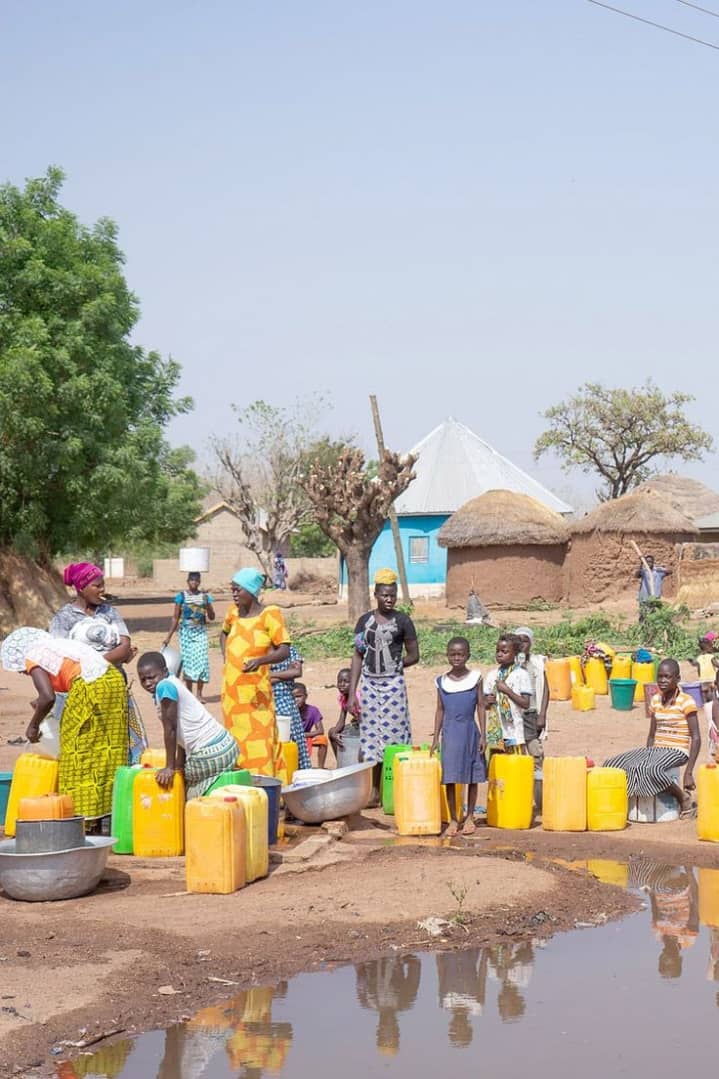
Imagine walking more than a kilometre every morning not to school or work, but simply to find a toilet. For millions of Zimbabweans, this is daily life. Yet despite this human cost, Zimbabwe’s Constitution (Amendment No. 20 of 2013) does not explicitly guarantee the right to adequate sanitation a gap that can no longer be overlooked.
Section 77 enshrines the right to “safe, clean and potable water,” making Zimbabwe one of only three Southern African countries with an explicit constitutional right to water. However, sanitation is conspicuously absent. Water and sanitation are two sides of the same coin; contaminated groundwater from open defecation and failing sewerage renders even a constitutional right to clean water hollow.
Internationally, the case for constitutionalising sanitation is established. In 2010, UN Resolution A/RES/64/292 recognised water and sanitation as essential human rights. By 2015, the UN explicitly recognised sanitation as a distinct right. Zimbabwe has affirmed these commitments internationally when will this be written into domestic law?
The statistics are stark. According to UNICEF Zimbabwe, national access to basic sanitation stands at just 36 percent, with rural areas faring even worse. Nearly half of rural households lack basic sanitation services.
The government allocates merely one percent of the national budget to water, hygiene and sanitation.Urban centres face similar crises. In Harare, sewers in high-density suburbs overflow into streets, creating serious health risks. The city discharges approximately 219 mega litres of raw and partially treated sewage daily, with over 150,000 informal settlements lacking sewerage systems.
The result is a toxic cycle: sewage contaminates water, water spreads disease, and disease claims lives.The health consequences are devastating. Zimbabwe’s cholera outbreak, originating in February 2023, had affected over 34,000 people across 63 districts by mid-2024, claiming 716 lives. Cholera is a disease of inadequate sanitation it spreads where human waste is not safely managed.
Without constitutional obligation, governments face weaker legal accountability when outbreaks occur.
The Gendered Cost of Inaction
Women and girls bear a disproportionate burden. Access challenges disproportionately affect them, limiting time for education, employment and care responsibilities. In schools without adequate toilets, adolescent girls particularly during menstruation miss class or drop out entirely. A significant proportion of girls and women aged 15 to 29 lack proper menstrual hygiene facilities. Poor sanitation is not merely a health issue; it is a barrier to gender equality and education.
Why the Constitution Matters
Why must this be constitutional rather than legislative? Constitutional rights create justiciable entitlements citizens can enforce in courts. They impose clear state obligations, immunise rights from policy reversals, and signal that sanitation is a fundamental entitlement not a luxury.
Zimbabwe already applies this principle through Section 77’s water rights. Sanitation deserves equal standing.South Africa provides an instructive example: Section 27 guarantees water access, with courts developing sanitation jurisprudence from this foundation.
The scaffolding for constitutional socio-economic rights enforcement exists sanitation simply needs addition.Zimbabwe’s new Sanitation and Hygiene Policy is welcome, but policy without constitutional backing lacks permanence.
Constitutionalising sanitation would give that policy legal spine, enabling every Zimbabwean to demand: “This is my right, and it must be protected.”Dignity is not divisible. A nation cannot protect rights to life, health, or education while leaving 64 percent of its population without reliable sanitation.
Amending the Constitution to include the right to adequate sanitation would not solve infrastructure challenges overnight, but it would establish a legal promise that cannot be shelved a floor below which the state may not fall, and a statement that every Zimbabwean’s dignity belongs in the highest law of the land.