
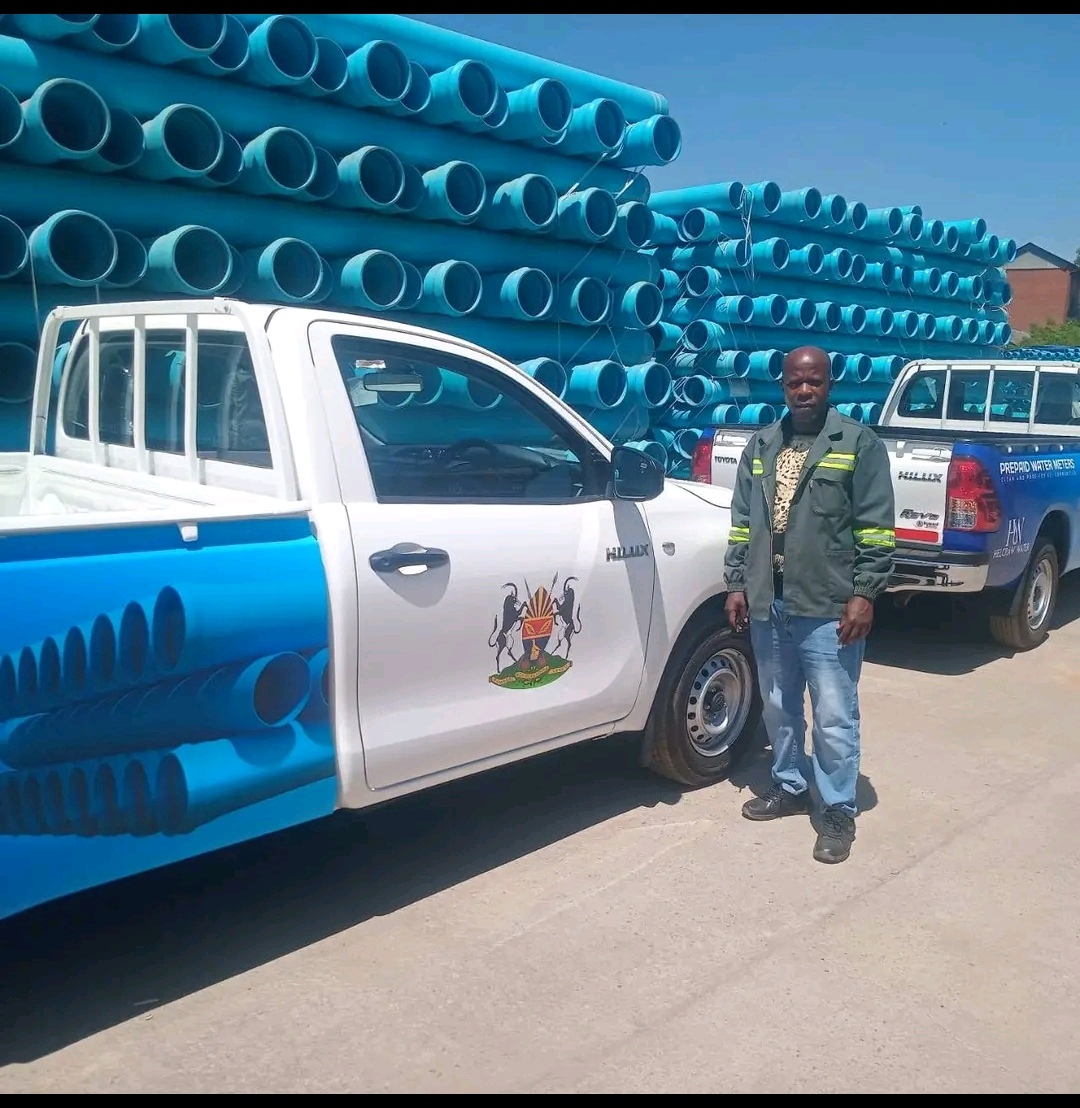
The Zimbabwe National Organisation of Associations and Residents Trust (ZNOART) is an apex body representing residents associations and community organisations across Zimbabwe. Our organisation is committed to promoting improved service delivery, sustainable community development, infrastructure rehabilitation, environmental protection, healthcare access, transparency and accountability, gender and social welfare, as well as combating drugs and substance abuse.
Zimbabwe continues to face serious challenges in service provision across both urban and rural communities. These include deteriorating roads, inconsistent water supplies, poor waste management systems, inadequate healthcare facilities, failing sewer systems, electricity shortages, housing backlogs, and limited community development initiatives.
Local authorities and Government institutions are often constrained by limited financial resources, ageing infrastructure, economic challenges, and increasing population demands. In this regard, ZNOART strongly believes that Public-Private Partnerships (PPPs) provide a practical and sustainable solution towards improving service delivery and accelerating national development.
THE IMPORTANCE OF PUBLIC-PRIVATE PARTNERSHIPS
Public-Private Partnerships involve cooperation between Government, local authorities, communities, residents associations, and private sector investors to finance, develop, and manage public services and infrastructure.
PPPs can help Zimbabwe achieve:
. Improved efficiency in service delivery
. Increased investment in infrastructure
. Employment creation
. Faster project implementation
. Technology transfer and innovation
. Reduced burden on Government budgets
. Enhanced accountability and professionalism
. Sustainable urban and rural development
KEY AREAS WHERE PPPs CAN TRANSFORM SERVICE DELIVERY
1.Water Supply and Sanitation
Many communities face recurring water shortages and sewer bursts. Through PPPs, private investors can assist local authorities in:
Rehabilitation of water treatment plants
Construction of new dams and reservoirs
Modernisation of sewer systems
Installation of prepaid water systems
Reduction of water leakages and losses
This would improve access to clean water and reduce health risks.
2. Waste Management and Environmental_Protection
Poor refuse collection continues to affect many towns and cities. PPPs can improve:
Refuse collection systems
Recycling initiatives
Waste-to-energy projects
Community cleaning programmes
Environmental education campaigns
Private companies can provide modern equipment while communities participate in maintaining clean environments
3. Road Rehabilitation and Infrastructure Development
Roads, street lighting, bridges, and drainage systems require urgent rehabilitation. PPPs can mobilise funding for:
Road resurfacing and maintenance
Solar street lighting
Smart traffic management systems
Construction of public markets and transport terminals
Upgrading community infrastructure
4.Healthcare Services
Partnerships between Government and private healthcare providers can improve:
Community clinics
Mobile health services
Drug availability
Ambulance services
Maternal healthcare
Mental health and drug rehabilitation centres
This is particularly important in addressing growing drug and substance abuse challenges affecting Zimbabwean youths.
5. Housing Development
Zimbabwe faces a major housing backlog. PPPs can help provide:
Affordable housing schemes
Serviced residential stands
Smart urban settlements
Proper sewer and water connections
Community recreational facilities
Residents associations can play a critical role in monitoring transparency and protecting residents’ interests.
6. Community Development and Social Welfare
PPPs can support:
Youth empowerment projects
Women empowerment initiatives
Vocational training centres
Restore Community halls and recreational centres
Support programmes for vulnerable groups
Community participation ensures inclusivity and sustainability.
THE ROLE OF ZNOART
ZNOART believes residents must not only be consumers of services but active stakeholders in development. Our organisation seeks to:
Mobilise residents and communities
Promote accountability and transparency
Facilitate dialogue between residents, Government, and investors
Monitor service delivery standards
Advocate for pro-poor development policies
Promote community participation in development initiatives
ZNOART stands ready to work with Government ministries, local authorities, private companies, development partners, and civic organisations to build sustainable partnerships that improve the lives of Zimbabweans.
CHALLENGES THAT MUST BE ADDRESSED
For PPPs to succeed in Zimbabwe, several issues must be addressed:
Corruption and lack of transparency
Political interference
Weak policy implementation
Lack of community consultation
Poor contract management
Affordability concerns for low-income residents
There is need for strong governance systems, stakeholder engagement, and citizen participation to ensure partnerships benefit ordinary Zimbabweans.
CONCLUSION
Zimbabwe cannot overcome its service delivery challenges through Government efforts alone. There is urgent need for collaboration between the public sector, private investors, residents associations, and communities.
Public-Private Partnerships offer a practical pathway towards infrastructure development, improved service provision, economic growth, and social transformation. With proper planning, transparency, and community involvement, PPPs can help restore dignity, efficiency, and sustainable development across Zimbabwe.
ZNOART therefore calls upon Government, local authorities, businesses, development partners, and communities to embrace meaningful partnerships for the betterment of all Zimbabweans.
SUCCESSFUL PUBLIC-PRIVATE PARTNERSHIPS (PPPs) IN SERVICE DELIVERY
Zimbabwe can learn from both local and international examples where Government, local authorities, private companies, communities, and development partners worked together to improve service delivery, infrastructure, and public health.
1.GEO POMONA WASTE MANAGEMENT PROJECT – HARARE, ZIMBABWE
One of Zimbabwe’s most notable Public-Private Partnerships is the collaboration between the Government, the City of Harare, and Geo Pomona Waste Management in transforming waste management in Harare.
Key Areas of Partnership
Refuse collection
Waste sorting and recycling
Waste-to-energy generation
Illegal dumpsite clean-up campaigns
Environmental management
The project was introduced after worsening waste collection problems and growing health risks in Harare. Government declared solid waste management a disaster area and partnered with Geo Pomona to modernise waste handling systems.
Achievements
Introduction of modern refuse collection equipment
Clearing of illegal dumpsites in suburbs such as Mbare, Highfield, Warren Park, and Kambuzuma
Development of a waste-to-energy facility expected to generate electricity
Improved environmental management systems
Employment creation and private sector investment in service delivery
Lessons for Residents
PPPs can help councils overcome financial challenges
Private investment can modernise urban service delivery
Waste management can also become a source of energy generation and employment
However, the project also demonstrates the importance of:
Transparency
Resident consultation
Accountability
Affordability of services
Continuous monitoring by residents associations and civic organisations
2.HELCRAW WATER PARTNERSHIP – HARARE, ZIMBABWE
Another emerging example is the partnership involving Helcraw Water, the City of Harare, and Government institutions to improve water supply systems in Harare communities.
The initiative seeks to address chronic water shortages affecting many suburbs through private sector participation and infrastructure rehabilitation.
Reported Areas of Focus
Water supply stabilisation
Rehabilitation of aging infrastructure
Prepaid water systems
Improved distribution systems
Community-based water delivery models
Community Impact
Residents in some areas reportedly experienced restoration of more reliable water supplies after years of shortages. Discussions around the project show growing public interest in PPP-driven water delivery systems.
Lessons
Private sector efficiency can improve service delivery
Communities must be involved in decision-making
Infrastructure rehabilitation is essential for sustainable water systems
3.KIGALI CLEAN CITY MODEL – RWANDA
Kigali successfully combined Government leadership, private waste companies, and citizen participation to create one of Africa’s cleanest cities.
Successes
Efficient refuse collection
Community clean-up programmes
Recycling initiatives
Improved sanitation and public health
Lessons for Residents
Residents associations can play a major role in environmental management
Clean cities require strong partnerships and active citizen participation
4.GAUTRAIN RAPID RAIL PROJECT – SOUTH AFRICA
The Gautrain partnership between Government and private investors transformed public transport infrastructure.
Achievements
Modern rail transport system
Reduced congestion
Economic growth
Job creation
Lessons
Zimbabwe can use PPPs to modernise:
Public transport
Roads
Markets
Bus termini
Smart city infrastructure
THE SEWER CRISIS IN ZIMBABWE
Zimbabwe’s aging sewer systems are now a major public health threat. Sewer bursts, untreated sewage, blocked drains, and water contamination have contributed to outbreaks of:
.Cholera
. Typhoid
. Dysentery
. Diarrhoeal diseases
In Harare and other towns, untreated sewage continues to pollute water bodies and residential areas, worsening environmental and health conditions.
RECOMMENDATIONS BY ZNOART
The Zimbabwe National Organisation of Associations and Residents Trust recommends:
1. Immediate rehabilitation of sewer infrastructure in major cities
2. Strong PPP frameworks for water and sanitation
3. Community participation in monitoring projects
4. Transparent procurement systems
5. Independent audits of infrastructure projects
6. Establishment of emergency urban health response programmes
7. Expansion of waste-to-energy and recycling initiatives
8. Protection of residents from excessive service charges
CONCLUSION
Zimbabwe’s service delivery challenges require collaboration between Government, councils, residents, private companies, and international funding partners.
Projects such as the Geo Pomona Waste Management initiative and the Helcraw Water partnership demonstrate that PPPs can help improve waste management and water supply systems when properly managed.
With transparency, accountability, and community involvement, Public-Private Partnerships can become a major solution in rebuilding Zimbabwe’s infrastructure, protecting public health, and improving the quality of life for all citizens.
Prepared By:
_S.S Chikomba
ZNOART National Chairman
0772 882 545
Email :znoart1@gmail.com
Twitter X :@znoart1