
Staff Writer
Zimbabwe is stepping up efforts to harness its sporting talent, creative industries and cultural heritage to diversify its tourism offering, create employment and stimulate economic growth, with the Government calling for greater investment in sports and arts tourism.
The Minister of Tourism and Hospitality Industry, Barbara Rwodzi, said integrating sport, creative arts and tourism presented significant opportunities to strengthen the country’s tourism sector and advance the national development agenda towards Vision 2030.
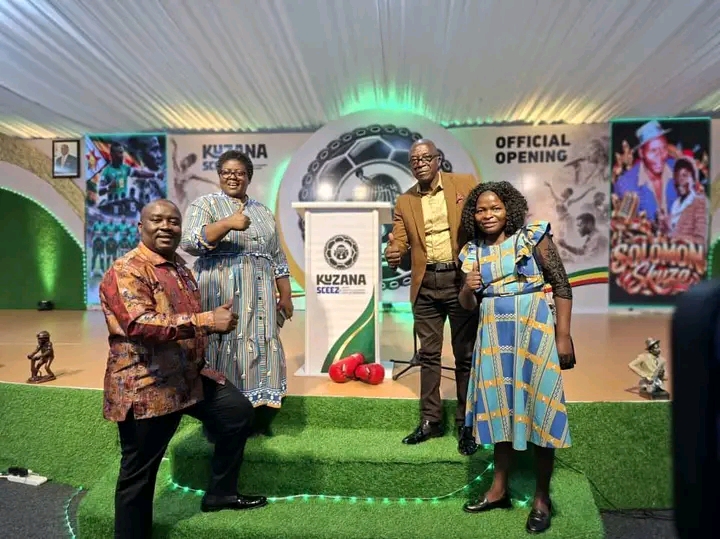
Rwodzi was represented by Deputy Minister of Tourism and Hospitality Industry Tongai Mafidi Mnangagwa at the Sport and Arts Tourism Reception held during the KUZANA Sport and Creative Economy Expo in Bulawayo. The ministry’s Permanent Secretary, Dr Takaruza Munyanyiwa, also attended the event.
In her address, Rwodzi highlighted the growth of domestic tourism, revealing that domestic tourism trips had increased by 27 percent to 6.4 million in the first half of 2026.
She said the growth presented opportunities for Zimbabwe to develop tourism products that appeal to local travellers while attracting international visitors through sporting competitions, cultural festivals, music performances and other creative experiences.
Rwodzi said: “The integration of sport, creative arts and tourism is critical in advancing our national development aspirations under Vision 2030.”
She noted that Zimbabwe’s tourism potential extended beyond traditional attractions, with sporting activities and creative industries capable of playing a greater role in promoting destinations and generating income for communities.
According to Rwodzi, music, dance, film, crafts and culinary arts provided international tourists with authentic cultural experiences that distinguished Zimbabwe as a tourism destination.
She said combining these experiences with sporting events and established tourist attractions could help create distinctive tourism products, increase visitor numbers and stimulate spending across different sectors of the economy.
Rwodzi called for the development of a comprehensive Sports and Arts Tourism Calendar to coordinate events and strengthen the country’s ability to market itself as a destination for sporting and cultural experiences.
She said a coordinated calendar would help stakeholders plan activities effectively and promote them to domestic and international audiences.
The minister also called for investment in infrastructure that catered for both athletes and tourists, saying appropriate facilities were essential for hosting events and improving the visitor experience.
She said: “We need a comprehensive Sports and Arts Tourism Calendar and investment in infrastructure that serves both athletes and tourists.”
Such investment could include upgrading sports venues, accommodation facilities, transport networks and other amenities required to host events capable of attracting visitors from across Zimbabwe and beyond.
The initiative comes as Zimbabwe seeks to broaden its tourism products and maximise the economic value of its natural attractions, cultural heritage and human talent.
Rwodzi cited the recently held Sanganai/Hlanganani Sports Tourism Carnival in Masvingo as an example of how sporting events could encourage visitors to explore destinations beyond the main event venue.
She said the carnival demonstrated how sporting activities could be used to promote destinations and generate income for local communities.
Beyond the sporting activities themselves, such events can provide platforms for showcasing local attractions, cultural performances, food, crafts and hospitality services.
For host communities, increased visitor numbers can create business opportunities for accommodation providers, food vendors, transport operators, artisans and other small enterprises.
Rwodzi urged stakeholders to build on such initiatives by developing tourism packages that combine sporting competitions with cultural experiences and visits to local attractions.
The minister urged stakeholders to regard sport and creative arts as viable investment opportunities rather than treating them solely as entertainment activities.
Zimbabwe’s creative economy encompasses music, film, dance, visual arts, crafts and culinary experiences, all of which can contribute to tourism development when effectively marketed and supported.
Cultural festivals and live performances can attract visitors, while local crafts and traditional cuisine provide opportunities for communities to generate income from their heritage and creative skills.
Sporting competitions can similarly attract participants, supporters and officials whose travel creates demand for accommodation, transport, restaurants and other services.
Rwodzi said: “Sport and creative arts must be positioned as viable tourism investment opportunities that create employment and strengthen Zimbabwe’s global competitiveness.”
She called for stronger collaboration between Government, the private sector, tourism operators, sports associations, artists and communities to unlock the sector’s potential.
Realising these opportunities will require coordinated planning, investment in appropriate facilities, effective destination marketing and partnerships that enable local businesses and creative practitioners to benefit from tourism-related activities.
Rwodzi said the development of sports and arts tourism aligned with the country’s broader economic development objectives under the National Development Strategy 2 (NDS2) and Vision 2030.
She urged stakeholders to work towards making sporting events, creative industries and cultural heritage integral components of Zimbabwe’s tourism offering.
The approach could help expand tourism beyond established attractions, encourage visitors to explore new destinations and spread economic benefits to communities across the country.
With domestic tourism trips reaching 6.4 million in the first half of 2026, the Government is seeking to build on growing local travel while attracting more international visitors through sporting events, cultural experiences and Zimbabwe’s creative talent.
The extent to which these opportunities translate into sustained economic benefits will depend on effective implementation, continued investment and the ability of stakeholders to develop marketable tourism products that create lasting employment and business opportunities.