
By Desire Tshuma
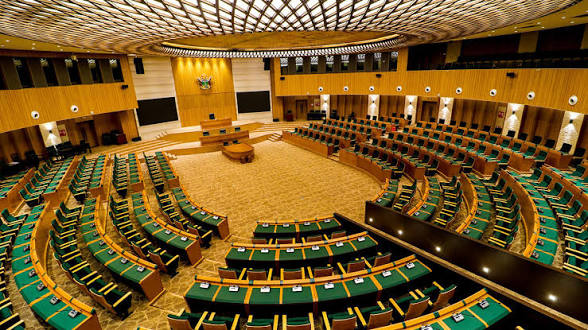
Harare – Parliament has concluded the Committee stage on CAB3 with amendments and set Third Reading and an open-ballot vote. Once passed by the National Assembly, the Bill will be transmitted to the Senate.
MPs from both ZANU PF and the opposition made submissions during the Committee stage. Ruling party MPs defended CAB3 as needed to align the Constitution with current governance demands. Some opposition MPs also backed the Bill, including Budiriro MP Hon Susan Matsunga, who said “we want to Fadaya”, meaning to enjoy during the President’s term extension.
Other opposition members opposed it, raising concerns over constitutional safeguards. Debate grew tense at points, and Marondera Central MP Hon. Caston Matewu was escorted out of the House when his speaking time expired while he was opposing the Bill.
Outside Parliament, a Constitutional Court challenge filed by war veterans opposing CAB3 was dismissed, removing a legal obstacle to the Bill’s progress.
Religious leaders have taken opposing positions on CAB3. Apostle Madzibaba Benjy has publicly backed the Bill, saying Vision 2030 will turn Zimbabwe into a “mini UAE” under extended leadership, a position reported by _The Observer News and Express Mail. The Zimbabwe Council of Churches has, by contrast, cited concerns that CAB3 undermines citizens’ democratic right to choose the President directly, arguing that selection by Parliament would weaken electoral accountability.
Parliament’s update does not publish the full amended text, but debate and public commentary indicate CAB3 proposes changes to presidential, parliamentary, and council terms. Critics argue the changes would extend the tenure of the President, Members of Parliament, and Councillors, while supporters say the amendments are needed for policy continuity under Vision 2030.
The Bill has also reignited broader public concern about elections in Zimbabwe. Some members of the public and civil society have described elections as “toxic,” pointing to past incidents of disappearances, violence, hatred, and the diversion of state resources during electoral periods. These concerns have featured in wider debate about how constitutional changes may affect future polls.
If the National Assembly passes CAB3, the Bill moves to the Senate for further consideration, including the amendments adopted during the Committee stage.