
By Edgar Gweshe
At least 260 farmers from 26 villages in Gutu District, Masvingo Province, have received training in holistic livestock management as part of efforts to promote sustainable farming practices, improve animal health and protect the environment.
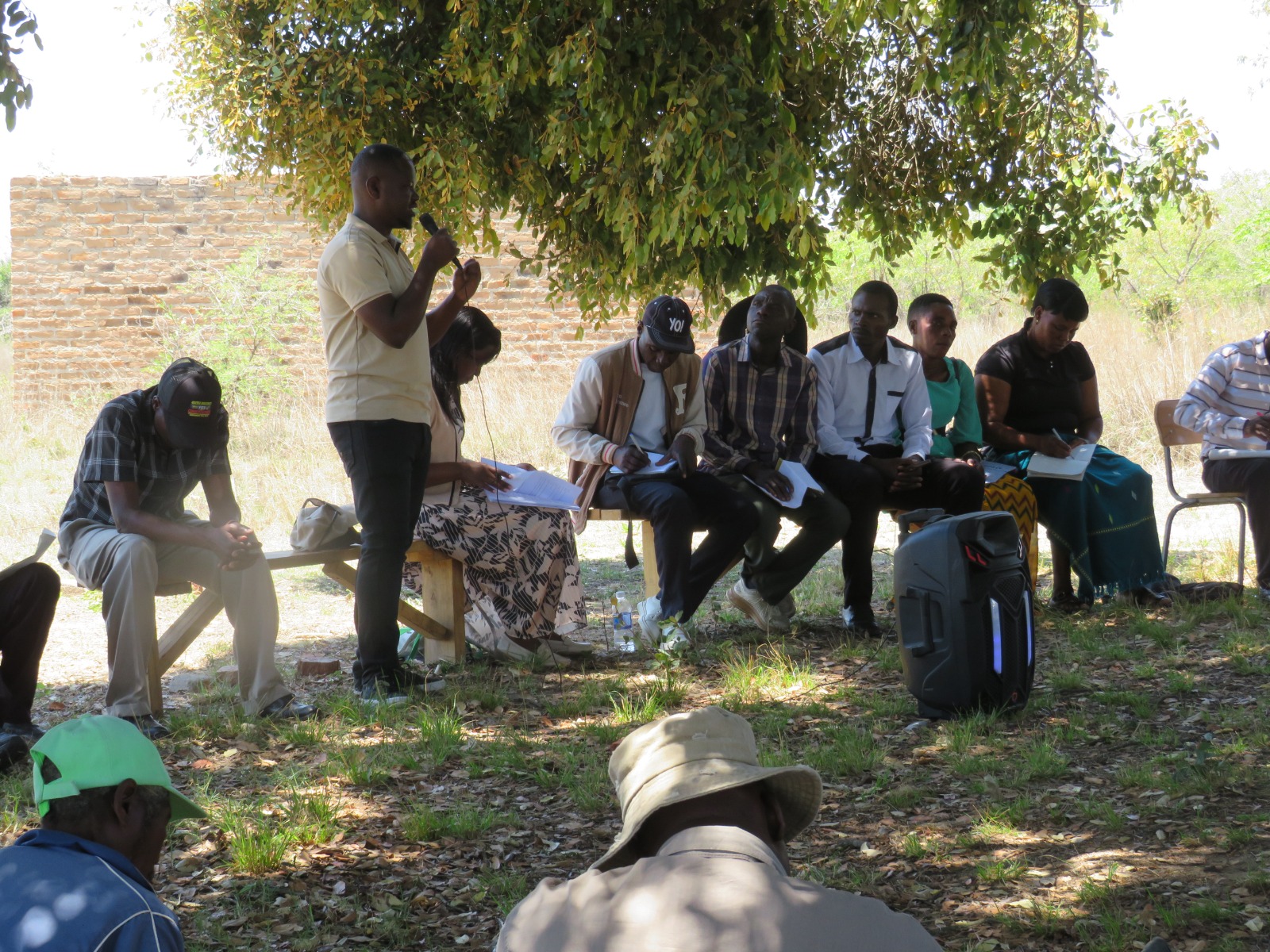
The training workshops, organised by BirdLife Zimbabwe in collaboration with the Agricultural Technical and Extension Services (Agritex) were conducted on October 13 and 14 and November 19, 2026, in communities around the Driefontein Grasslands.
The programme brought together 127 men and 133 women, demonstrating significant community participation in efforts to improve livestock production and promote environmentally sustainable agricultural practices.
The training focused on strengthening farmers’ understanding of holistic livestock management, with particular emphasis on sustainable grazing systems, animal welfare, disease prevention, soil conservation and the responsible management of natural resources.
Speaking during the workshops, BirdLife Zimbabwe representatives Ronnie Chirimuta and Leeroy Moyo highlighted the relationship between biodiversity conservation, livestock production and ecosystem health.
They explained the importance of birds as indicators of environmental health, emphasising that sustainable livestock management also contributes to the protection of biodiversity and the ecological balance of the Driefontein Grasslands.
Agritex officer, Ms Mambo facilitated discussions on holistic livestock management, encouraging farmers to view livestock as valuable economic assets that require proper management and investment.
She emphasised the importance of maintaining clean water sources, providing adequate pasture, adhering to vaccination and dipping programmes and ensuring proper livestock nutrition.
A major focus of the training was sustainable grazing management, particularly the adoption of rotational grazing and paddocking systems to prevent overgrazing, soil erosion and the degradation of grazing land.
Farmers were introduced to different grazing systems, including standard rotational grazing, intensive paddock management and strip grazing.
These approaches allow grazing areas sufficient time to recover and regenerate while improving pasture quality, soil fertility and livestock nutrition.
The discussions also highlighted the importance of controlling livestock numbers in relation to available grazing resources to prevent pressure on the environment.
Given the ecological sensitivity of the Driefontein Grasslands, participants were encouraged to properly fence swampy areas and wetlands to protect livestock from accidents while safeguarding fragile ecosystems.
Soil conservation was another key component of the training, with farmers encouraged to undertake soil sampling to establish nutrient requirements, adopt mulching to conserve moisture and avoid veld fires.
The use of animal manure as an alternative source of soil nutrients was also encouraged as part of efforts to reduce dependence on synthetic fertilisers and promote sustainable agricultural production.
On animal welfare, farmers were reminded of their responsibility to ensure livestock have access to adequate food and clean water, comfortable living conditions and appropriate healthcare.
Supplementary feeding options, including feed balls and molasses, were discussed, alongside the need to minimise stress on working animals.
The workshops also addressed livestock disease prevention and control, with participants receiving information on common diseases affecting cattle and other livestock.
These included Foot-and-Mouth Disease, Anthrax, Blackleg, Brucellosis, Bovine Tuberculosis, Redwater, Heartwater and January Disease.
Farmers were encouraged to observe vaccination schedules, conduct routine livestock health checks, quarantine newly introduced animals and maintain proper hygiene in livestock housing and feeding areas.
Regular dipping and dosing were also highlighted as important measures for controlling ticks, worms and other parasites that affect animal health and productivity.
Beyond technical knowledge, the workshops provided a platform for farmers to exchange experiences, discuss challenges affecting livestock production and explore opportunities for collective action.
BirdLife Zimbabwe said the training was aimed at promoting an approach to livestock production that balances economic benefits with environmental conservation.
The initiative is particularly significant in the Driefontein Grasslands, an internationally recognised wetland landscape that supports important biodiversity and provides natural resources for surrounding communities.
Sustainable livestock management is therefore essential not only for improving rural livelihoods but also for reducing pressure on wetlands, grazing areas and other natural ecosystems.
The training concluded with calls for greater community collaboration and advocacy, including encouraging local leaders to promote sustainable livestock management policies and practices.
The knowledge gained is expected to strengthen farmers’ capacity to improve livestock productivity while protecting the natural environment for future generations.
Below is a statement from
Shingirai Sakarombe Important Bird and Biodiversity Area Programme Manager for Birdlife Zimbabwe.
“BirdLife Zimbabwe is working closely with communities in the Driefontein Grasslands to promote sustainable livestock management as an important component of biodiversity conservation. We recognise that the livelihoods of local communities are closely linked to livestock production, and therefore conservation efforts must also address the challenges farmers face. Through our collaboration with local Agritex officers, we recently conducted holistic livestock management training, reaching 260 farmers, comprising 127 men and 133 women, from 26 villages.
The training focused on practical approaches such as rotational grazing, paddocking, pasture management, soil and water conservation, and improved livestock health and welfare. Our objective is to encourage farming practices that improve livestock productivity while reducing pressure on sensitive ecosystems, particularly wetlands and grasslands that support important bird populations.
Ultimately, we want communities to see that sustainable management of their livestock and the conservation of their natural environment are mutually reinforcing priorities.”