
Simba Matake
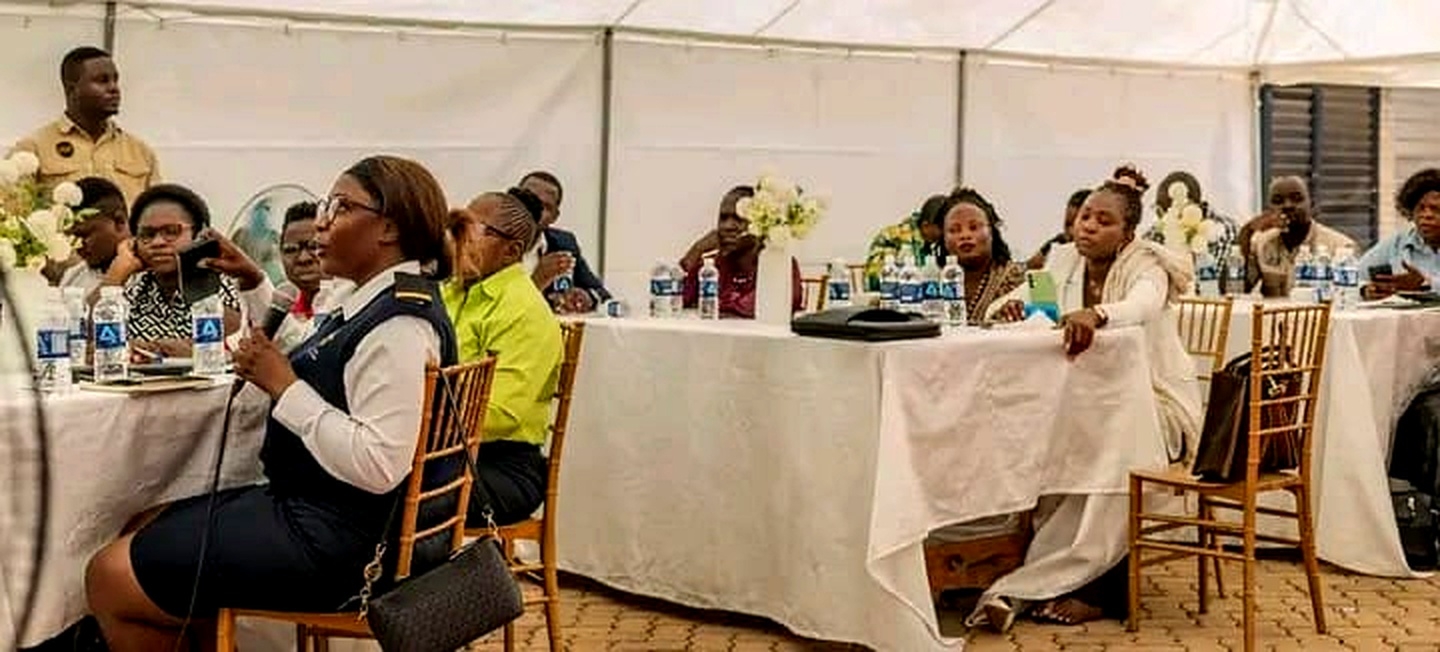
HARARE — The Zimbabwe Council of Churches (ZCC) has participated in a digital literacy and capacity-development workshop aimed at strengthening efforts to combat human trafficking and protect vulnerable people from exploitation through online platforms.
The one-day workshop was held on 11 November 2026 at the ZCC Reintegration Centre in Harare and was organised by the International Organization for Migration (IOM), in collaboration with the Anti-Trafficking Inter-Ministerial Committee and the Ministry of Public Service, Labour and Social Welfare, with support from the British Government.
The workshop brought together representatives from Government ministries, departments and agencies, Civil Society Organisations (CSOs) and Community-Based Organisations (CBOs) to discuss emerging human trafficking threats in the digital age.
In a statement, ZCC said the engagement focused on raising awareness of how online platforms were increasingly being exploited by human traffickers to facilitate recruitment scams, exploitation and other forms of abuse.
“The workshop focused on raising awareness of human trafficking in the digital age, particularly how online platforms are increasingly being used to facilitate trafficking, recruitment scams and the exploitation of vulnerable people,” ZCC said.
The church organisation said the programme also sought to strengthen the capacity of frontline officers and Migrant Resource Centre staff to identify trafficking-related threats, respond effectively and promote safe migration.
“It aimed to strengthen the capacity of frontline officers and Migrant Resource Centre staff to identify and respond to these threats, promote safe migration, and ensure the protection and referral of trafficking victims,” ZCC said.
The event was attended by British Ambassador to Zimbabwe, Her Excellency Mrs Gill Lever, and IOM Zimbabwe Chief of Mission Ms Diana Cartier.
ZCC expressed gratitude to the British Government and IOM for supporting the capacity-building initiative, highlighting the importance of collaboration in strengthening human trafficking prevention and awareness programmes.
“ZCC is grateful to the British Government and IOM for this capacity-building opportunity and looks forward to strengthening awareness and prevention efforts through its member Church network,” the organisation said.
The council’s participation also highlights the potential role of faith-based organisations and church networks in raising community awareness, identifying vulnerable individuals and supporting efforts to prevent human trafficking.
With online platforms increasingly being used to target unsuspecting job seekers and vulnerable communities, awareness of digital safety and safe migration practices remains important in preventing trafficking and protecting potential victims.