
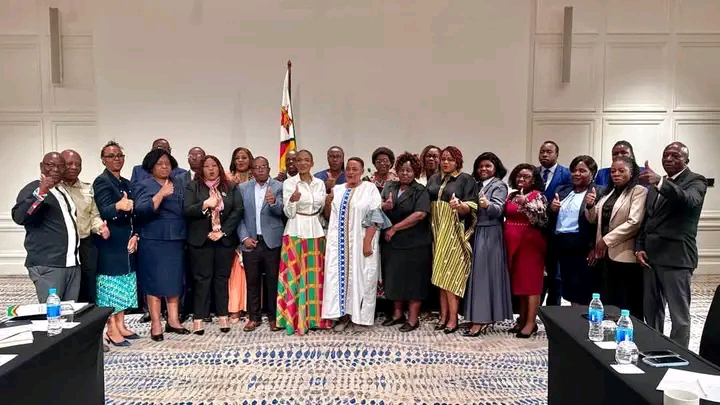
Zimbabwe has stepped up preparations for the International Year of Sustainable and Resilient Tourism (IYSRT) 2027 following the launch of a 26-member National Committee tasked with coordinating the country’s National Programme of Flagship Activities.
The committee, officially unveiled by the Minister of Tourism and Hospitality Industry, Barbara Rwodzi, brings together representatives from Government ministries, departments and agencies, academia, women and youth in tourism, persons with disabilities and the private sector.
Speaking at the launch, Rwodzi said the initiative was aligned with the country’s Vision 2030, National Development Strategy 2 (NDS2) and the Tourism and Hospitality Industry Policy 2025–2030, which are anchored on the Heritage-Based Economic Transformation Agenda.
She said the committee would spearhead efforts to promote responsible investment, innovation, climate resilience and inclusive development across the tourism value chain.
Zimbabwe’s preparations build on the country’s hosting of the 23rd UN Tourism Committee on Tourism and Sustainability meeting in Victoria Falls in April 2026, during which the global logo for the International Year of Sustainable and Resilient Tourism 2027 was unveiled by UN Tourism.
Rwodzi said the international observance must translate into tangible benefits beyond commemorative events.
“The International Year must deliver tangible benefits, including stronger tourism enterprises, environmental conservation, green infrastructure, improved destination resilience and greater community participation,” she said.
She called for innovative waste-management solutions, including converting organic waste into compost and exploring waste-to-energy opportunities to promote environmentally sustainable tourism practices.
Rwodzi also highlighted the economic opportunities available to women and young people through agriculture, hospitality and tourism-related enterprises.
She cited the agricultural tourism initiatives championed by the First Lady, Dr Auxillia Mnangagwa, who is the Patron of Tourism, as an example of how agriculture could complement tourism development and empower communities.
Recognising communities as custodians of the country’s natural and cultural heritage, Rwodzi said tourism growth should deliver lasting economic, social and environmental benefits.She emphasised the need for inclusive development that ensures no one and no place is left behind.