
By Desire Tshuma
EPWORTH — Epworth resident Beauty Magora says rising drug abuse and early pregnancies among children in the community are being driven by poor parent-child communication, lack of information and easy access to drug bases.
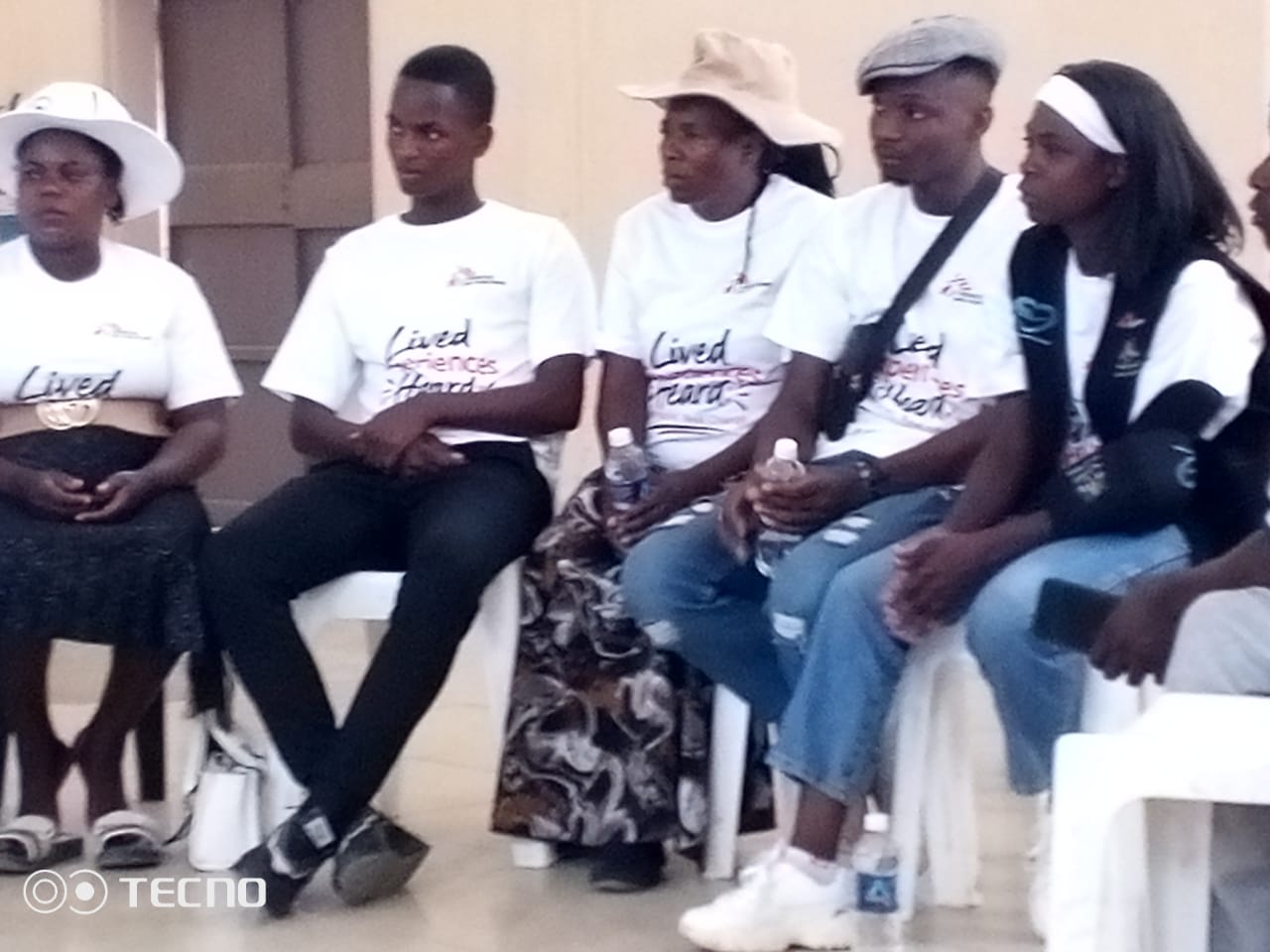
Magora was speaking during Médecins Sans Frontières (MSF) World Mental Health Day commemorations in Epworth, where community members were given space to share lived experiences around mental health and substance abuse.
This year’s commemorations were held under the theme “Lived Experiences Heard, Real Voices, Real Change” and were organised by MSF in partnership with the Ministry of Health and Child Care.
Magora said she was happy that such an event was happening in Epworth and thanked MSF and the Ministry of Health for bringing mental health awareness to the community.
She said Epworth was facing a serious drug problem, with children — including young girls — increasingly affected.
“Epworth people are using drugs. They are at the bases. Children are having children while they are still children. A child having a child at a young age, the issue can go to the bases, to places like Gweru, to Jabula and other places where they mix substances. And they are not given enough information about what a drug is,” Magora said.
She said the crisis starts in the home, with parents failing to build strong bonds with their children.
“The issue of children, I see it starts with parents. A parent, if you take care of your child well, if you bond with them when they are seven, you can win everything,” she said.
Magora highlighted how lack of openness pushes adolescents away from seeking help on reproductive health.
“A child comes talking, saying mama I want to talk about family planning. Mothers start shouting. Shouting about family planning, do you want to start having sex? No, the child is worried about what she is doing. Things that could lead her to need family planning. Like she ended up in drugs,” she said.
“So if she goes for family planning, when things happen she knows she can fall pregnant. She might want an injection, she might want PrEP,” she added.
She said many parents in Epworth were not paying attention to what their children were doing, yet expected children to navigate difficult environments alone.
Magora said the number of young people using drugs in Epworth was growing, with most affected aged 21 and below, and cases involving children as young as eight and nine years old.
She said children were being referred to local clinics, with MSF assisting in documenting and supporting cases, but the numbers were increasing.
“MSF helps us to refer children to the local clinic. If you ask their ages, they will tell you they are many. From 16 years, down to eight, you can find a child, nine years old,” she said.
Magora claimed drug bases were well known in the community and alleged that police were not taking decisive action.
“I even see the police themselves, they go and eat there. Because someone knows that at the base, a person can be killed, you just give money and you go,” she said.
She linked drug abuse to a rise in transactional sex among young girls in Epworth.
“Girls, because of drugs, they are now buying safety, they are engaging in sex work,” she said.
Magora called for sustained community dialogues involving young people, parents, fathers, mothers and grandmothers to find the root causes of the drug crisis.
She also called on government to review restrictive laws around termination of pregnancy, saying young girls who fall pregnant — often after rape — needed easier access to services.
“If government could review, to at least make it easier, that at least at 13 weeks, you can help someone,” she said.
She cited an example of a girl in her area who uses drugs, was raped and became pregnant, saying such cases show the complex challenges young people face without support.
Magora said parents and children must build strong, open relationships to protect young people from drugs, early pregnancy and exploitation.
The MSF Adolescent Sexual and Reproductive Health project in Epworth targets young people aged 10 to 24, complementing other programmes run by the Ministry of Health and Child Care.