
By Desire Tshuma
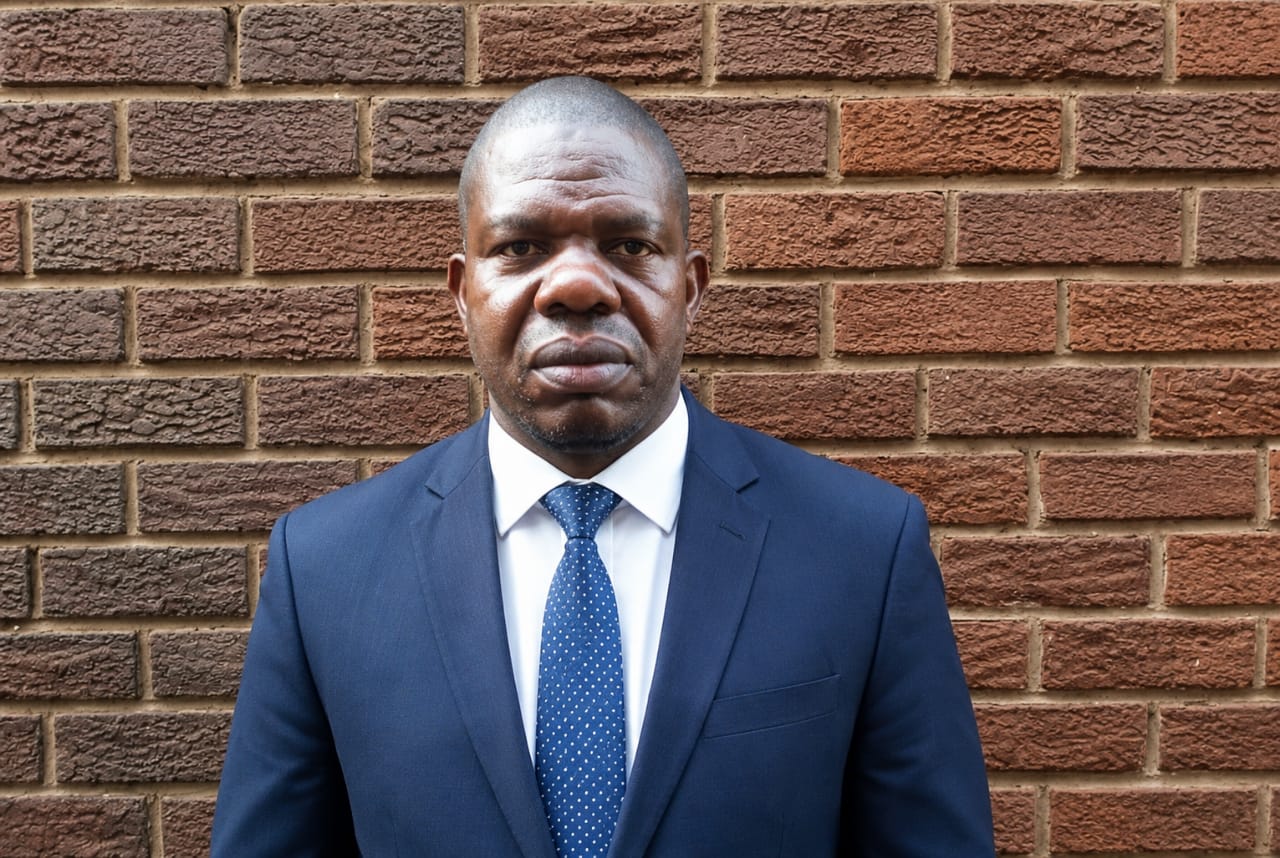
HARARE — Citizens Against Economic Sanctions (CAES) has hailed the elevation of businessman Dr Kudakwashe Tagwireyi to the Senate, arguing that his continued business activities despite being on international sanctions lists show the resilience of Zimbabwe’s private sector.
CAES interim leader Ellison Muchenje Samuriwo said Tagwireyi’s recent swearing-in was significant because it demonstrated that sanctions had not succeeded in stopping Zimbabweans from pursuing investment, creating employment and taking part in national development.
“Dr Tagwireyi’s swearing-in is a testament that sanctions are not a death sentence,” Muchenje said while speaking to journalists in Harare.
He said Tagwireyi’s ability to remain active in business despite restrictions placed on him was evidence that Zimbabweans could adapt to economic pressure and continue pursuing their interests.
“Here is a man who has remained on a sanctions list for years, yet he continues to invest, create jobs and now serve the people in Parliament. That is resilience,” Muchenje said.
The CAES leader argued that targeted sanctions were intended to isolate individuals and restrict their access to international financial systems, but maintained that such measures had not achieved their intended objective in Tagwireyi’s case.
“When they put you on sanctions, the intention is to isolate you, to bankrupt you, to make you an example. But Senator Tagwireyi has defied that script,” he said.
Muchenje further claimed that Tagwireyi’s political elevation sent a broader message that Zimbabwe could not be forced into submission through economic restrictions.
“You cannot sanction a whole nation into submission,” he said.
CAES, which campaigns for the removal of sanctions imposed on Zimbabwe, maintains that restrictions placed on the country have consequences beyond the individuals directly targeted. The organisation has repeatedly argued that sanctions contribute to difficulties faced by ordinary Zimbabweans by restricting access to international finance and limiting economic opportunities.
Muchenje called on Government, businesses and civil society organisations to recognise Zimbabweans who continue operating under difficult economic conditions rather than isolating them because of their designation on sanctions lists.
“We must stop treating sanctioned individuals as pariahs. If they are building factories, paying taxes and now serving in Parliament, then they are part of the solution,” he said.
He described Tagwireyi’s experience as an example that could encourage young Zimbabweans to remain focused on entrepreneurship despite economic challenges.
“Sanctions must not be an excuse for failure,” Muchenje said.
Tagwireyi was sworn in as a senator this week, adding a new political dimension to a businessman whose name has featured prominently in Zimbabwe’s sanctions debate. His designation has long been part of wider disagreements between Zimbabwe and Western governments over governance, human rights and economic policy.
While the Zimbabwean Government has consistently described sanctions as a major obstacle to economic development, the United States and European Union have maintained that their measures are targeted at specific individuals and entities rather than the Zimbabwean population as a whole.
For CAES, Tagwireyi’s entry into Parliament represents more than an individual political development.
“This is not about one man. This is about proving that Zimbabweans can succeed despite illegal sanctions,” Muchenje said.
The debate is likely to continue as Zimbabwe seeks to attract investment, expand domestic production and reduce the impact of international economic restrictions on its economy.