
Impact of Community-Based Rehabilitation After Hospitalisation and Medical Procedures
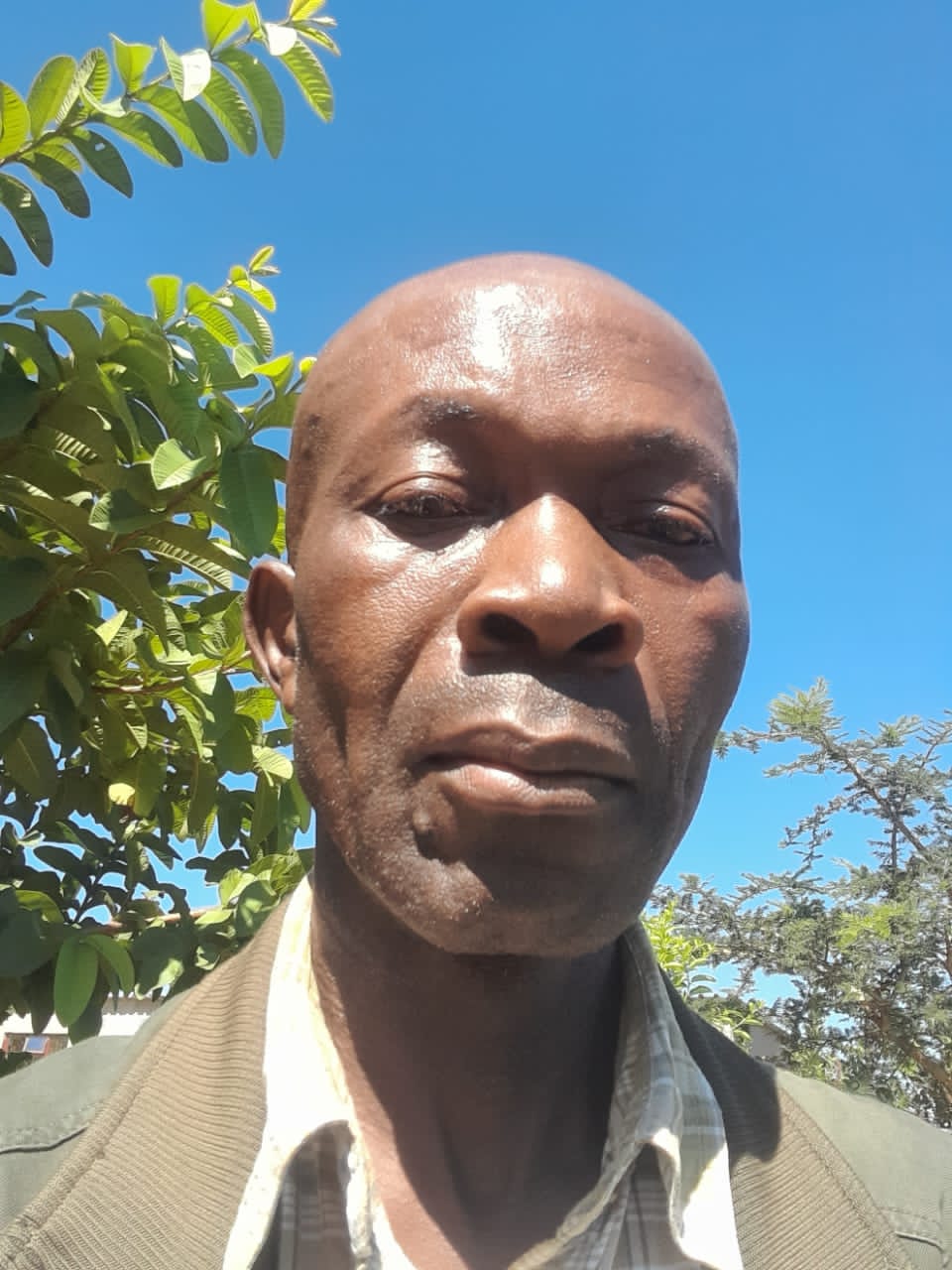
By Bigboy Madzivanzira, Community Rehabilitation Director & Stroke Survivor
“Is it really cancerous? She’s walking?”
Margret heard the doctors whispering about her during a review at Parirenyatwa Hospital. Three months after brain tumour surgery, she had walked into the consultation room unaided. The medical team was surprised. Margret was devastated.
“I felt like a specimen, not a person,” she told me. “I went home thinking the tumour was coming back. I thought I’d die like the others from our ward who died at home.”
Margret survived surgery. But she nearly didn’t survive discharge.
The Discharge Cliff
In Zimbabwe, we celebrate when a patient leaves hospital. For brain tumour, stroke, and spinal injury survivors, that’s when the real danger starts. Hospitals save lives. But they discharge people into a void.
Data from the Ministry of Health and Child Care shows over 60% of rehabilitation happens _after_ hospitalisation. Yet Zimbabwe has fewer than 10 specialised neuro-rehabilitation centres. Rural areas have zero.
The result? Patients die at home from preventable causes: bedsores, falls, status epilepticus, malnutrition, and depression. Not from their original tumour or stroke.
Margret’s words haunt me: “Other patients died at home. No exercises. No one to check seizures. No hope.”
What is Community-Based Rehabilitation?
Community-Based Rehabilitation (CBR) is the continuation of care in the patient’s own home, using their own bed, their own kitchen, their own family.
At HPCT Zimbabwe, we call it “rehab without walls.” It bridges the fatal gap between hospital discharge and real life.
Hospital Says CBR Does at Home
“Do exercises 3x daily” Teaches the caregiver how to safely transfer Margret from her bed to her chair
“Take medication” Sets up pill boxes, SMS reminders, and trains family in seizure first aid
“Come back in 3 months” Visits weekly for 8 weeks: monitors balance, mood, nutrition, and scanxiety
“It’s a miracle you walk” “It’s neuroplasticity. Here’s your Week 9-16 plan to keep your gains”
Margret’s 8-Week Home Victory
Week 1: Couldn’t sit up. We started with bed mobility and breathing.
Week 4: Stood with assistance. Caregiver trained in safe transfers.
Week 8: Walked to her gate. Made tea for the first time post-surgery.
This wasn’t a miracle. It was CBR. It was a plan. It was her daughter learning the 15-Minute Rule to avoid burnout. It was HPCT teaching the family: _“Don’t hold her during a seizure. Turn her on her side. Time it.”_
The 7 Battles We Fight After Discharge
Brain tumour recovery isn’t just about surgery. Through Margret and 30 years of home visits, here are the battles CBR wins:
1. Brain Fatigue: “I sleep 18 hours but I’m still tired.” We teach energy conservation and graded activity.
2. Medical Dehumanization: Doctors talking _about_ patients, not _to_ them. We give patients a “Questions for Doctor” notebook. They have a right to understand their scan.
3. Scanxiety: Every headache = panic about recurrence. We create post-MRI rituals: tea with a peer, prayer, a call to ZBTA.
4. Stigma: “Ane maspirits,” in the community. We do church and family education on brain injury vs witchcraft.
5. Seizure Fear: Families are terrified. We drill: Don’t restrain. Protect head. Call HPCT if >5 minutes.
6. Caregiver Collapse: Margret’s daughter was exhausted. We enforced respite and linked her to ZBTA support.
7. Poverty: She stopped work. We helped file ZIMRA Section 124 disability rebate forms and sourced a loan wheelchair.
The Cost of No CBR
In three decades as a practitioner and as a stroke survivor myself, I have buried patients who survived surgery but died from infected bedsores. I have seen young men fall and re-fracture their spine because no one taught safe transfers. I have counselled families broken by depression that went untreated.
Rehabilitation without community is abandonment.
Margret lives because someone went home with her. Someone translated “medical procedure” into “how to boil water safely with one weak hand.”
The Way Forward
Margret walks today. She will meet other survivors at the ZBTA meetings.
But for every Margret, ten die at home, unknown.
Community-Based Rehabilitation is not charity. It is the missing clinical link between surgery and survival. It is how we ensure hospital success is not undone by home failure.
We must:
1. Fund it. Ring-fence CBR in the national health budget.
2. Refer to it. Every discharge plan must include a home rehab contact.
3. Train for it. All health workers need basic CBR skills.
Because no Zimbabwean should hear “it’s a miracle you’re alive.” They should hear: “Here is your plan to keep living.”
Bigboy Madzivanzira is a Community Rehabilitation Director, stroke survivor, and author of 70+ articles for The Blast. He is the founder of HPCT Zimbabwe. Bigboy is a member of Community Based Rehabilitation Africa Network (CAN),a Board Secretary of Isheanesu Multipurpose Skills Training Centre for children with disabilities and Board Chairperson of the Disabled Women Support Organization, a member of International Society of Wheelchair Professionals and accredited Freelance Public Health Journalist. Contact: 0773 367 913 ,Email: healthpromotionclinic@gmail.com