
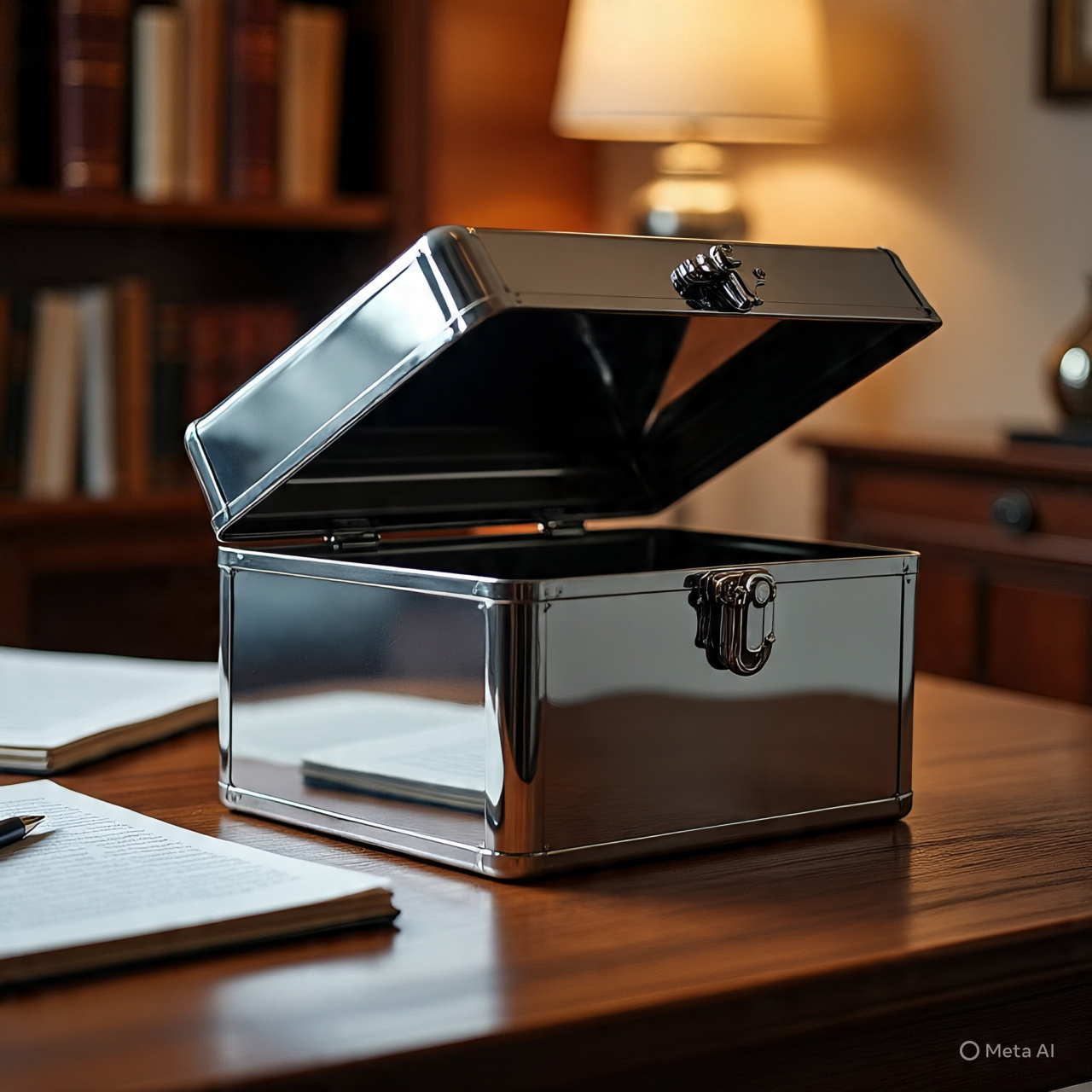
What feels like safe-keeping could be quietly destroying your money — and your value.
By Bigboy Madzivanzira
Introduction
In many households across Zimbabwe, saving money in a metal tin is a tradition — a symbol of security, privacy, and self-reliance. But behind this seemingly harmless habit lies a costly truth: *tin banking can ruin your cash*, leaving it faded, mouldy, and worth less than face value. For many, the shock comes only when they try to spend or exchange it.
1. The Problem with Tin Banking
– Metal tins trap moisture, especially in humid environments.
– Notes stored for months often lose colour, become brittle, or develop mould.
– Banks and vendors may refuse to accept such notes — or offer reduced value.
“People think they’re saving, but they’re actually destroying their money. By the time they bring it to us, it’s already damaged.” — _Currency dealer, Harare.
2. The Soiled Notes Trade
– Street-level money changers buy damaged notes at a discount, sometimes as low as 60% of face value.
– The “soiled notes” market thrives on cash that’s been poorly stored.
– Many people only discover the loss when they try to use their savings.
“When money comes from a tin, it’s often faded or stained. We can’t give full value — it’s a risk for us too.” — _Street-level currency dealer.
3. Real-Life Shock
One man, who asked to remain anonymous, shared his experience:
“I saved for months in a tin, thinking it was safe. When I tried to pay for groceries, the shop refused the notes. I had to sell them to a money changer for half their value. I lost so much.”-Anonymous, Harare resident.
4. Why Tins Fail as Safes
– Moisture buildup causes ink to run and paper to weaken.
– Lack of airflow creates mould and mildew.
– Pests and rust can destroy notes completely.
– No protection from fire or theft — tins are not secure.
5. Safer Ways to Save
– Use a dry, ventilated lockbox with silica gel or moisture-absorbing packets.
– Wrap notes in plastic sleeves or zip-lock bags before storage.
– Consider mobile money, bank accounts, or micro-savings groups for better security and value retention.
– For home storage, choose fireproof safes with proper ventilation.
Conclusion
Tin banking may feel traditional and secure, but it’s a hidden danger to your hard-earned money. By understanding the risks and adopting safer storage methods, you can protect your savings from silent destruction. Don’t let your money fade away — save smart, not just safe.
Sidebar: How to Safely Store Cash at Home
Tips for Safe Cash Storage
Use airtight, moisture-proof containers.
Add silica gel packets to absorb humidity.
Wrap notes in plastic or paper sleeves.
Store in a cool, dry place away from direct sunlight.
Consider fireproof safes for added security.
Explore formal banking or mobile money for larger amounts.
About the Author
Bigboy Madzivanzira is a public health advocate, disability inclusion specialist, and writer with over a decade of experience working with marginalized communities in Zimbabwe. He currently serves as Board Chairperson of the Disabled Women Support Organization (DWSO) and Board Secretary of Isheanesu Multipurpose Skills Training Centre for children with disabilities. He is also the Founder and Director of Health Promotion Clinic Trust, where he leads efforts to promote health education and inclusive care.
He can be contacted on 0773 367 913 or via email at healthpromotionclinic@gmail.com.