
By Bigboy Madzivanzira
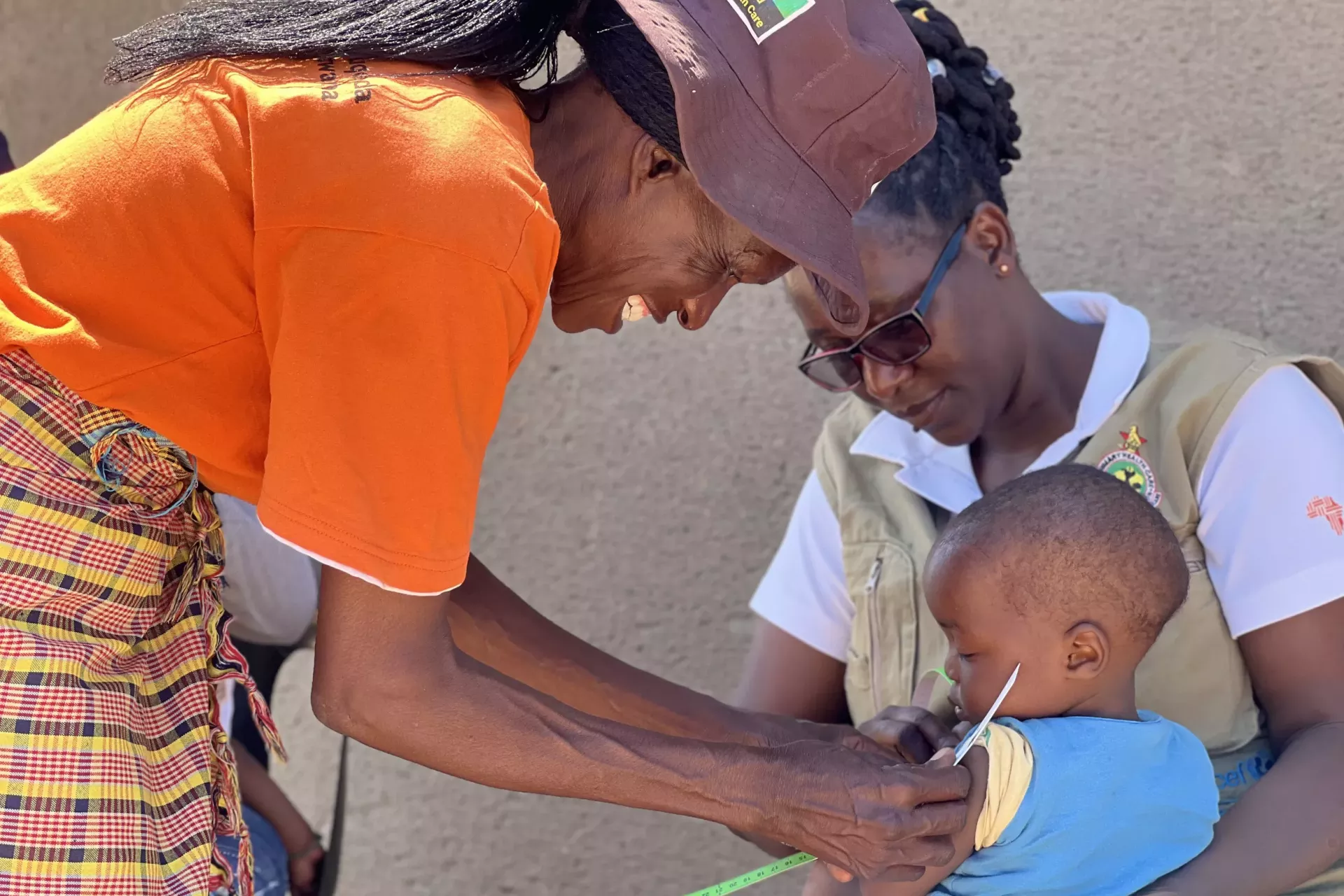
Care workers are the backbone of our communities, providing essential support to vulnerable individuals, including the elderly, disabled, and young children. Their tireless efforts often go unnoticed, but their impact is immeasurable.
The Role of Care Workers
Care workers provide a range of services, including:
– Personal care (bathing, dressing, feeding)
– Emotional support and companionship
– Household tasks (cooking, cleaning, laundry)
– Medication management
– Transportation to appointments
Examples of Care Workers
– Children’s home caregivers, providing daily care and support to orphaned or vulnerable children
– Disability centre workers, assisting individuals with physical and intellectual disabilities
– Refugee camp workers, providing humanitarian aid and support to displaced persons
– Nursing home caregivers, caring for the elderly and those with chronic illnesses
– Home-based caregivers, supporting individuals with disabilities or illnesses in their own homes
The Value of Care Workers
Care workers are invaluable assets to our society. They:
– Enable individuals to live independently
– Provide emotional support and companionship
– Reduce healthcare costs by preventing hospitalizations
– Support family members and caregivers
– Contribute to the economy through their work
The Importance of Training and Skills
Care workers need valid skills and training to provide high-quality care. In Zimbabwe, various organizations and institutions offer training and certification programs, covering topics like:
– First aid and emergency response
– Infection control and prevention
– Communication and interpersonal skills
– Care planning and management
– Specific care techniques (e.g., dementia care, disability support)
Cultural Competence in Refugee Care
Care workers in refugee camps require specialized skills, including cultural competence. Understanding the diverse backgrounds, experiences, and traditions of refugees is crucial. For example, knowing the cultural nuances of individuals like Chauke from Mozambique and Kabia from Sierra Leone can inform care approaches, dietary needs, and communication styles. Training in cultural competence, conflict resolution, and trauma-informed care enables care workers to provide sensitive and supportive care.
The Motherly Touch
Care workers in children’s homes often develop strong bonds with the children, becoming surrogate family members and providing love, care, and guidance. They’re often referred to as “Mama” or “Auntie” – terms that reflect their nurturing role. This phenomenon highlights the importance of care workers in providing emotional support and stability to vulnerable children.
Partnerships for Better Care
Care organisations can benefit from partnering with professional organisations, facilitating:
– Joint training programs
– Shared best practices
– Access to expertise and resources
– Improved care standards
Real-Life Perspectives
Professionals from various fields have witnessed the value of care workers firsthand. A journalist, Health Promotion Practitioner, Medical Rehabilitation Practitioner, and Family Therapist have seen the dedication, compassion, and expertise care workers bring to their work, making a tangible difference in the lives of those they care for.
Training in Action
Organizations like St Christopher’s Children with Disability are leading the way in providing specialized training for caregivers. Recent initiatives include:
– Nutrition training for caregivers at their Hatcliffe centre
– Mathew Rusike’s caregivers training for Relief mothers
– Child Safeguarding training for caregivers at Isheanesu Multipurpose Skills Training Centre
– Hands-on training on supportive seating by a Medical Rehabilitation Practitioner
– Training for children on making detergents
– Upcoming basic rehabilitation course on disability management for caregivers
Isheanesu Skills Training Centre
Isheanesu Skills Training Centre provides training and support for children with disabilities, empowering them with essential skills for daily life. Their programs focus on practical skills, education, and personal development, helping these children thrive and reach their full potential.
Challenges Faced by Care Workers
Despite their importance, care workers often face:
– Low wages and benefits
– High stress and burnout
– Limited training and support
– Lack of recognition and respect
Recognizing the Value of Care Workers
It’s time to recognize the invaluable contributions of care workers. We must:
– Provide fair wages and benefits
– Offer training and support
– Promote recognition and respect
– Advocate for policies supporting care workers
By valuing care workers, we value the care and support they provide to our communities.
About the Author
Bigboy Madzivanzira is a multi-faceted individual with expertise in health promotion, medical rehabilitation. He worked for HelpAge International in Tongogara and Nyamatikiti Refugee Camps as a Community Based Rehabilitation Officer and Field Officer in Charge. He is the Founder and Director of Health Promotion Clinic Trust, an organisation dedicated to Community Based Rehabilitation Services and Assistive technology. He is registered with the Allied Health Professions Council of Zimbabwe as a Health Promotion Practitioner, registered with the Medical Rehabilitation Practitioners Council of Zimbabwe as a Medical Rehabilitation Practitioner, a Family Therapist and a Freelance Journalist accredited by the Zimbabwe Media Commission. A Special Needs Educator and Wheelchair and Supportive Seating Specialist. He can be contacted on 0773 367 913. Email: healthpromotionclinic@gmail.com