
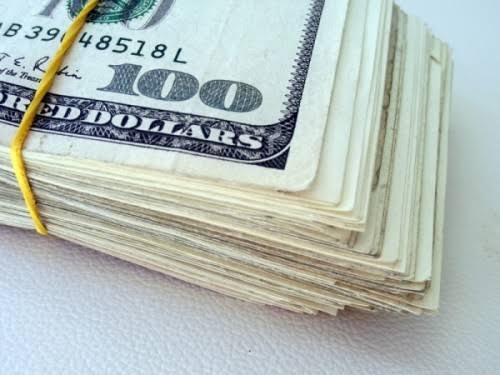
There have been reports of citizens who have been conned by some individuals who produce fake US dollars when buying commodities.
There are numerous examples that have occurred across the country where people have received fake US dollars notes.
Here are some of the examples.
Counterfeit US$100 notes:
A syndicate has been circulating fake US$100 notes in Mashonaland West province, particularly in Chinhoyi. The scammers target businesses, using the counterfeit notes to make small purchases and requesting change to deceive businesspeople and individuals.
Cyber fraud and phishing scams:
A cybercrime trio was recently arrested for orchestrating a nationwide phishing and SIM swap syndicate that defrauded dozens of victims of thousands of dollars. They used fake emails, text messages, and stolen databases to gather personal information and impersonate victims.
Created currency:
Zimbabwe’s finance minister, Mthuli Ncube, revealed that the government created “fake” US dollars through borrowing from the central bank and issuing Treasury Bills to cover state-owned entities’ debts. This was part of the country’s monetary policy, where non-US dollar currency was used for transactions, and the US dollar was used as a legal tender.
Another instance recently occurred in Waterfalls suburb in Harare where some scammers were arrested after issuing fake US dollars to a Ecocash agent.
Just few days ago,on Sunday 2nd November at 5.30pm. An unknown man entered into a store in Belvedere and ordered a product for 10 dollars. After some back and forth with the cashier, he gave a folded fake US$100 dollar note and gave it to her and requested the change in a hurry and left with the real 90 dollars.
These instances highlight the need for vigilance when handling US dollars and engaging in online transactions in Zimbabwe.
To combat the issue of fake US dollar notes in Zimbabwe, several measures can be taken:
Public Awareness:
Educate the public on how to identify genuine US dollar notes. This can be done through public awareness campaigns, workshops, and media outreach.
Improved Security Features:
The Reserve Bank of Zimbabwe (RBZ) can consider introducing new security features in the currency, such as watermarks, holograms, or color-shifting ink, to make counterfeiting more difficult.
Enhanced Law Enforcement:
Strengthen law enforcement agencies’ capacity to detect and prosecute counterfeiters. This can be achieved through training, intelligence gathering, and collaboration with international partners.
Cashless Transactions:
Promote the use of digital payment systems, such as mobile money and online banking, to reduce the reliance on cash and minimize the risk of counterfeit notes.
Currency Authentication:
Encourage businesses and financial institutions to use currency authentication machines to verify the authenticity of US dollar notes.
International Cooperation:
Collaborate with international partners, such as the US Federal Reserve and Interpol, to share intelligence and best practices in combating counterfeiting.
Regular Currency Updates:
The RBZ can regularly update and redesign the currency to stay ahead of counterfeiters and make it harder for them to produce convincing fake notes.
Community Engagement:
Encourage community members to report suspicious transactions or counterfeit notes to the authorities, fostering a sense of responsibility and cooperation in combating counterfeiting.
By implementing these measures, Zimbabwe can reduce the circulation of fake US dollar notes and maintain the integrity of its financial system.
Citizens can also send details on WhatsApp number :+263772278161 if they encounter the problem of fake US dollars notes or interact at…https://scamalert.africa