
By Bigboy Madzivanzira
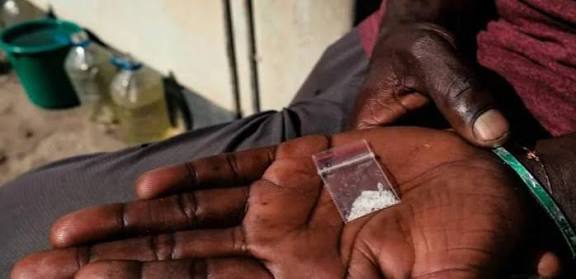
Persons who have undergone drug rehabilitation in Zimbabwe often face significant challenges upon release, which can lead to relapse and a return to old habits. Some of the key problems they encounter include:
– Being released into the same environment where they initially struggled with addiction, with easy access to drugs and old associates who may still be using substances
– Lack of ongoing support and outreach programs to help them stay on track and address underlying issues
– Stigma and social isolation, making it difficult to reintegrate into society
– Limited access to employment, housing, and other essential services
The Need for Comprehensive Support Systems
To break this cycle, it’s essential to establish comprehensive support systems that cater to the needs of individuals post-rehabilitation. This could include:
– Ongoing counseling and therapy sessions
– Support groups and peer mentorship programs
– Assistance with finding employment and stable housing
– Access to recreational activities and community engagement initiatives
“When you are converting someone into Christianity, once the member is in you just don’t leave him. Help him through until a time you see fit,” says Owen K. Murungweni, a community member and advocate for social justice. “It’s the same with rehabilitation – we need to provide ongoing support and guidance to help individuals stay on track and rebuild their lives.”
The Zimbabwe National Association for Mental Health (ZIMNAMH), a registered welfare organization, has been working to provide mental health support and outreach programs. ZIMNAMH’s Tirivanhu Centre in Ruwa offers residential rehabilitation services, including life skills training, to people recovering from mental illness.
Exploring Traditional Medicine
Traditional medicine can also play a significant role in mental health and rehabilitation. In Zimbabwe, traditional healers and herbalists have been using natural remedies to treat various mental health conditions, including substance abuse. Integrating traditional medicine with modern rehabilitation approaches could provide a more holistic and culturally sensitive approach to mental health care.
Some potential areas for integration include:
– Collaborating with traditional healers to develop culturally adapted treatment plans
– Incorporating traditional therapies, such as music and dance, into rehabilitation programs
– Providing education on traditional medicines and their potential interactions with modern medications
Building Capacity: Medical Rehabilitation Technicians
Medical Rehabilitation Technicians (MRTs) are multiskilled professionals trained in physical therapy, occupational therapy, and mental rehabilitation. Further training in drug rehabilitation can equip them with the necessary skills to support individuals with substance use disorders. MRTs in District Hospitals can provide essential support to individuals struggling with addiction, working alongside other healthcare professionals to provide comprehensive care.
Addressing Public Safety Concerns
The recent Guruve murders have highlighted concerns about mental health and public safety, particularly regarding the release of individuals who have undergone drug rehabilitation. It’s crucial that comprehensive mental health services, including ongoing support and therapy, are in place to ensure individuals receive the care they need.
A Call to Action
We urge authorities and stakeholders to prioritize the development of sustainable support systems for individuals who have undergone drug rehabilitation. This can be achieved through collaboration with NGOs, community organizations, and government agencies.
Some potential solutions include:
– Establishing halfway houses or transitional living facilities
– Implementing community-based rehabilitation programs
– Providing vocational training and job placement services
– Increasing access to mental health services and counseling
By working together, we can create a more supportive environment that empowers individuals to rebuild their lives and contribute positively to society.
About the Author:
Bigboy Madzivanzira is a multi-faceted individual with expertise in health promotion, registered with the Allied Health Professions Council, Medical Rehabilitation, registered with the Medical Rehabilitation Practitioners Council of Zimbabwe, Traditional Medicine, registered with the Traditional Medicines Practitioners Council of Zimbabwe, a Family Therapist and Freelance Journalist accredited by the Zimbabwe Media Commission. He can be contacted on 0773 367 913 or email: healthpromotionclinic@gmail.com