
By Regis Chingawo
Zimbabwe has stepped up efforts to attract investment from its Diaspora community, urging citizens living abroad to move beyond remittances and channel more resources into direct investment opportunities back home, particularly in the tourism sector.
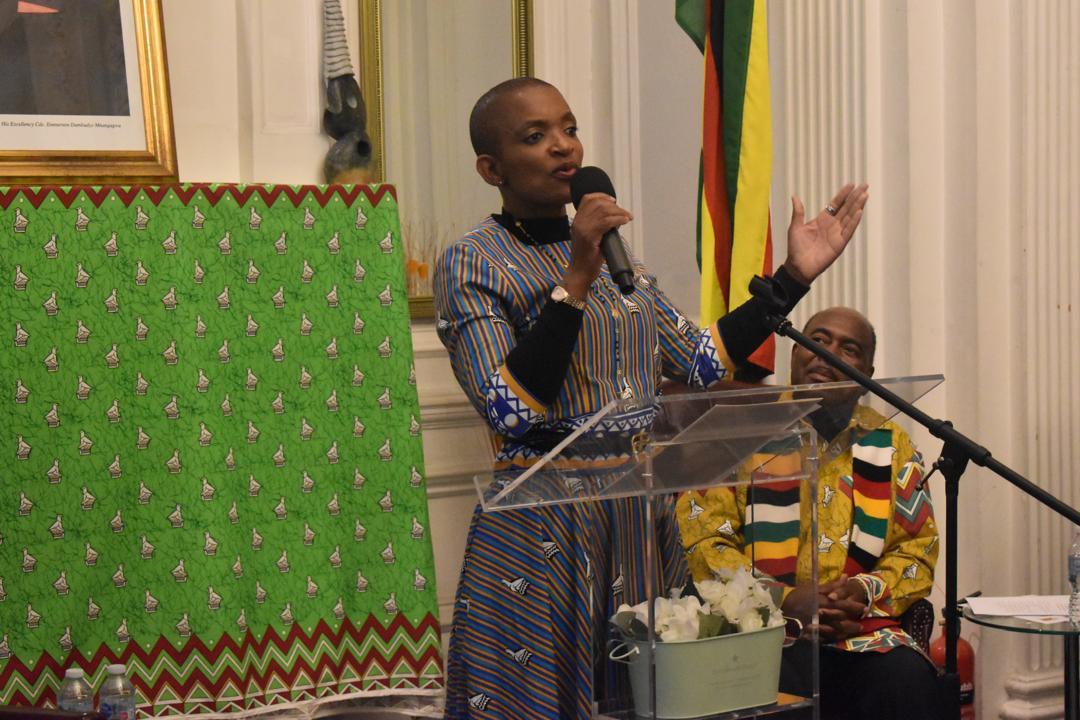
The call was made at the Zimbabwe Diaspora Tourism Investment Engagement Forum and Dinner held at Zimbabwe House in London following the conclusion of the World Travel Market (WTM) 2026.
The engagement was officiated by the Minister of Tourism and Hospitality Industry, Barbara Rwodzi, and attended by Zimbabwe’s Ambassador to the United Kingdom, Colonel (Retired) Christian Katsande, and Zimbabwe Tourism Authority (ZTA) Chief Executive Officer, Dr George Manyaya.
Addressing the gathering, Minister Rwodzi conveyed President Emmerson Mnangagwa’s appreciation for the significant contribution made by the Diaspora through remittances, which have sustained the national economy over the years.
She, however, called on Zimbabweans abroad to complement their financial support with direct investment in productive sectors of the economy.
“His Excellency, the President of the Republic of Zimbabwe, Cde Dr Emmerson Dambudzo Mnangagwa, deeply appreciates the Diaspora remittances, which have sustained our economy over the years. However, there is a keen interest in seeing these contributions complemented by increased economic investment back home,” said Rwodzi.
She identified tourism as a sector offering significant opportunities for Zimbabweans abroad to participate directly in the country’s economic transformation.
“Tourism is a low-hanging sector, offering significant opportunities for the Diaspora to participate directly in the country’s economic transformation,” she said.
Rwodzi said Zimbabweans living abroad remained an important constituency in the country’s economy and should not be left behind in programmes and projects designed to achieve Vision 2030 and implement the National Development Strategy 2 (NDS2).
She drew attention to Zimbabwe’s 13 tourism clusters, which offer diverse investment opportunities across the tourism value chain.
Among the opportunities she highlighted were accommodation and hospitality infrastructure in Victoria Falls, particularly around the Mosi-oa-Tunya development, as well as conference facilities in Harare ahead of the African Continental Free Trade Area (AfCFTA) 2029 engagements.
She also identified cultural, heritage and rural tourism as other areas where Diaspora investors could establish businesses and contribute to the diversification of Zimbabwe’s tourism offerings.
The Minister said investment in tourism would generate wider economic benefits through employment creation, community empowerment, enterprise development and improved livelihoods.
“Tourism has the capacity to generate employment, empower communities, expand enterprise opportunities and transform livelihoods,” Rwodzi said.
She assured prospective investors that Government was ready to facilitate investment and support initiatives aimed at developing the country’s tourism industry.
“Government stands ready to facilitate investment and ensure that those willing to invest in Zimbabwe can participate in the opportunities available within the sector,” she said.
Meanwhile, Ambassador Katsande applauded Zimbabweans living abroad for their continued contribution to national development and encouraged stronger engagement with Government and the private sector.
The London engagement formed part of Zimbabwe’s broader efforts to mobilise Diaspora resources, expertise and international networks to support domestic economic development.
It also sought to strengthen investment partnerships between Zimbabweans abroad and local businesses, particularly in tourism infrastructure and services.
Zimbabwe’s participation at WTM 2026 was aimed at promoting the country as a tourism destination while showcasing investment opportunities to international markets.
The Government is looking to harness the financial resources and professional expertise of the Diaspora to support tourism growth and advance the country’s broader economic development objectives.