
Staff Writer
Zimbabwe has called for stronger international cooperation, sustainable water management and community-centred development to build a resilient, inclusive and regenerative tourism sector capable of withstanding the effects of climate change.
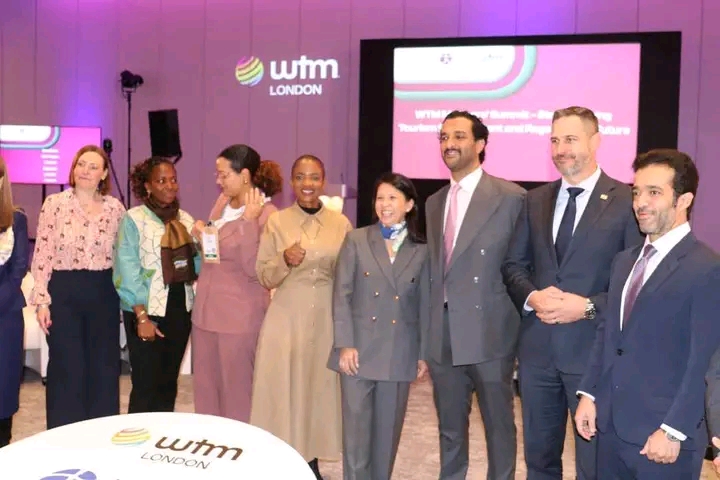
The Minister of Tourism and Hospitality Industry, Barbara Rwodzi, made the call while addressing global tourism leaders at the World Travel Market (WTM) Ministers’ Summit 2026 in London, where she reaffirmed Zimbabwe’s commitment to sustainable tourism development.
The summit, organised in partnership with the United Nations World Tourism Organization (UN Tourism) and the World Travel and Tourism Council (WTTC), was held under the theme “Strengthening Tourism for a Resilient and Regenerative Future.”
Addressing the summit, Rwodzi highlighted the growing threats posed by climate change and droughts to wildlife, biodiversity and tourism infrastructure, calling for collective action and sustainable water solutions.
She said:
“Climate change and drought continue to affect our wildlife, biodiversity and tourism infrastructure. We must therefore strengthen collective action and pursue sustainable water solutions to protect our tourism resources.”
Rwodzi said the Government’s dam construction programme under President Emmerson Mnangagwa was critical in strengthening water security and sustaining wildlife and conservancies.
She also reaffirmed Zimbabwe’s commitment to climate-resilient tourism, welcoming the launch of the official logo for the 2027 International Year of Sustainable and Resilient Tourism at the 23rd UN Tourism Meeting held in Victoria Falls in April 2026.
On international cooperation, the Minister reiterated Zimbabwe’s foreign policy principle, saying:
“Our guiding principle remains that Zimbabwe is a friend to all and an enemy to none. Peace, stability and international cooperation are essential for the growth and development of tourism.”
Emphasising the role of communities in tourism development, Rwodzi said people were the country’s greatest tourism assets and custodians of its heritage.
“Our people and communities are our greatest tourism assets and custodians of our heritage. Tourism must improve livelihoods and deliver tangible benefits to communities,” she said.
She added that Zimbabwe was advancing Vision 2030 and the African Union’s Agenda 2063 through gastronomy tourism, rural industrialisation and the farm-to-market model.
Rwodzi also recognised the contribution of the First Lady, Dr Auxillia Mnangagwa, who is the Patron of Tourism, in promoting traditional cuisine and strengthening Zimbabwe’s gastronomy tourism profile.
She said the First Lady’s efforts had helped position Zimbabwe to host the inaugural UN Tourism continental gastronomy conference.
The Minister further highlighted Air Zimbabwe’s direct Harare-London service as an important development in improving international connectivity and providing opportunities to showcase Zimbabwean cuisine and cultural heritage to international visitors.
Turning to tourism’s contribution to the national economy, Rwodzi said the sector accounted for approximately 10 percent of Zimbabwe’s Gross Domestic Product (GDP).
“Tourism can actually sustain the country’s GDP when other sectors face challenges,” she said.
She cited 2024 as an example, explaining that the mining sector had been affected by the global mineral price crisis, agriculture had experienced significant climate-related challenges, while the manufacturing industry was still undergoing restructuring.
Rwodzi said the experience demonstrated the importance of strengthening tourism as a pillar of economic resilience and diversification.
.