
By Desire Tshuma
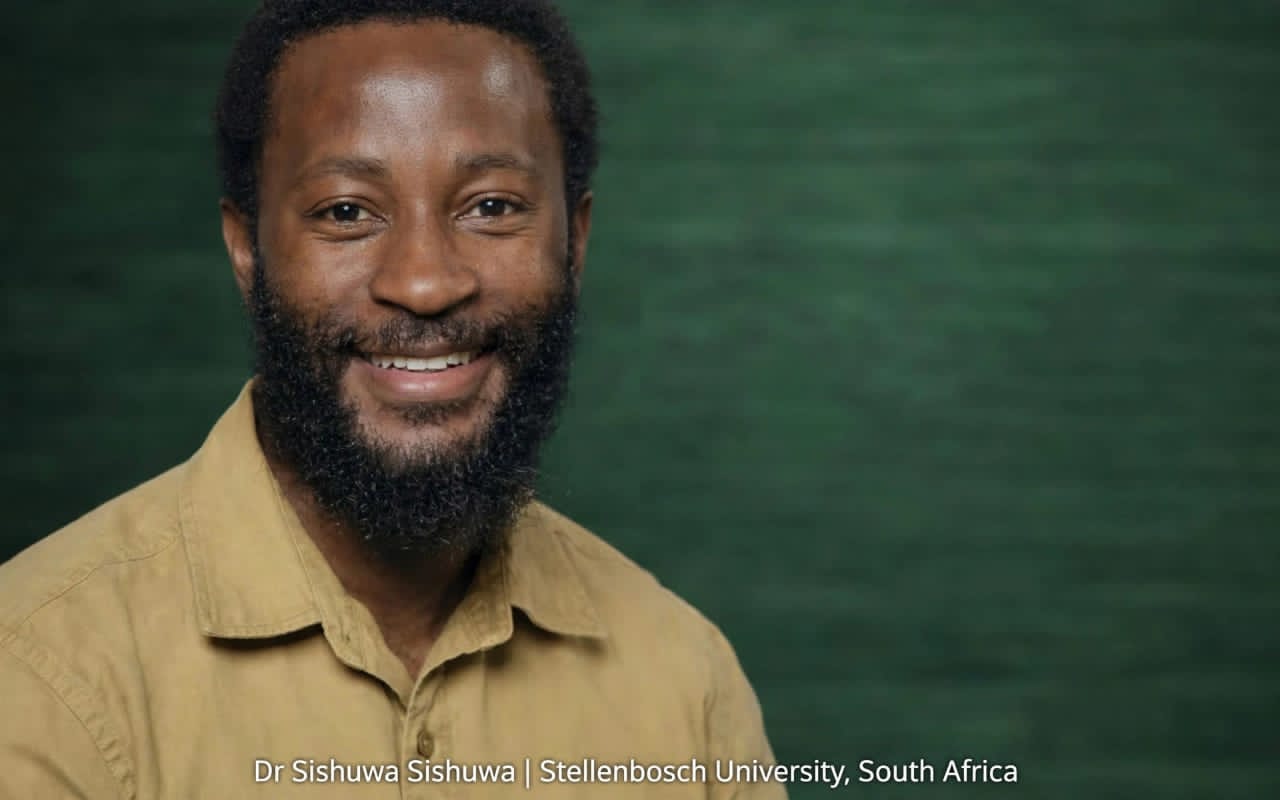
JOHANNESBURG — Zambian academic Dr Sishuwa Sishuwa has safely returned to South Africa after his Zambian passport was cancelled while he was in Britain, with Pretoria issuing him an emergency travel document through its diplomatic mission in London.
Sishuwa, a senior lecturer in history at Stellenbosch University, was among six Zambians whose passports were cancelled by the Zambian authorities in September under a government notice citing security reasons in the interest of national security. The other five are former diplomat Emmanuel Mwamba, former MPs Emmanuel Jay Banda and Binwell Mpundu, former State House aide Kaizer Zulu and blogger Lillian Mutambo.
The cancellation rendered the documents invalid for travel, identification and other official purposes, with authorities directing the affected individuals to surrender them to immigration, police or the Department of National Registration, Passport and Citizenship. The government notice did not publicly set out individual allegations or specific grounds beyond national security.
Sishuwa had been in England on academic business when the cancellation left him without a valid Zambian travel document.
His eventual return to South Africa has drawn attention to the long history of African states and governments assisting political exiles and individuals caught up in disputes with their own governments.
South Africa’s intervention echoes episodes from the apartheid era, when prominent South African activists and intellectuals depended on assistance from other African countries and international governments after leaving the country.
Oliver Tambo, Nelson Mandela, Thabo Mbeki, Miriam Makeba, Hugh Masekela and Es’kia Mphahlele were among prominent South Africans whose movements across the continent and beyond were shaped by exile and the loss or unavailability of South African travel documents.
Mandela, for example, travelled through Africa and later to Britain using an Ethiopian passport issued under the name David Motsamayi after leaving South Africa without valid South African travel papers.
Makeba also lived in exile after her South African citizenship and passport were revoked, later travelling on documents issued by other countries.
The latest development involving Sishuwa comes against the backdrop of heightened political tensions in Zambia following the August 13 presidential election.
Opposition leader Brian Mundubile and his running mate, Makebi Zulu, were detained after being questioned over allegations of treason. Police said the two were being investigated under Section 43(1) of Zambia’s Penal Code.
The treason case subsequently expanded to 18 accused people, including Mundubile and Zulu, who were transferred to Mukobeko Maximum Security Correctional Facility after charges were formally laid. The accused have challenged their continued detention in the High Court.
The post-election tensions have also drawn international scrutiny, particularly over the treatment of opposition figures and critics.
Amnesty International has criticised the cancellation of the six passports, arguing that using travel documents against critics and political opponents raises freedom-of-movement concerns under international human rights law.
For Sishuwa, however, the immediate crisis appears to have been resolved with his safe arrival in South Africa, after another African state stepped in when his own country’s travel document was withdrawn.