
By Desire Tshuma
Thousands of Zimbabweans returning home from South Africa following anti-migrant violence are arriving with deep psychological trauma and urgent medical needs after being forced to abandon their homes, belongings and, in many cases, life-saving medication.
According to humanitarian medical organisation Médecins Sans Frontières (MSF), the recent wave of xenophobic attacks and intimidation has left many migrants without access to treatment for chronic illnesses, including HIV, hypertension and diabetes, placing their health at serious risk.
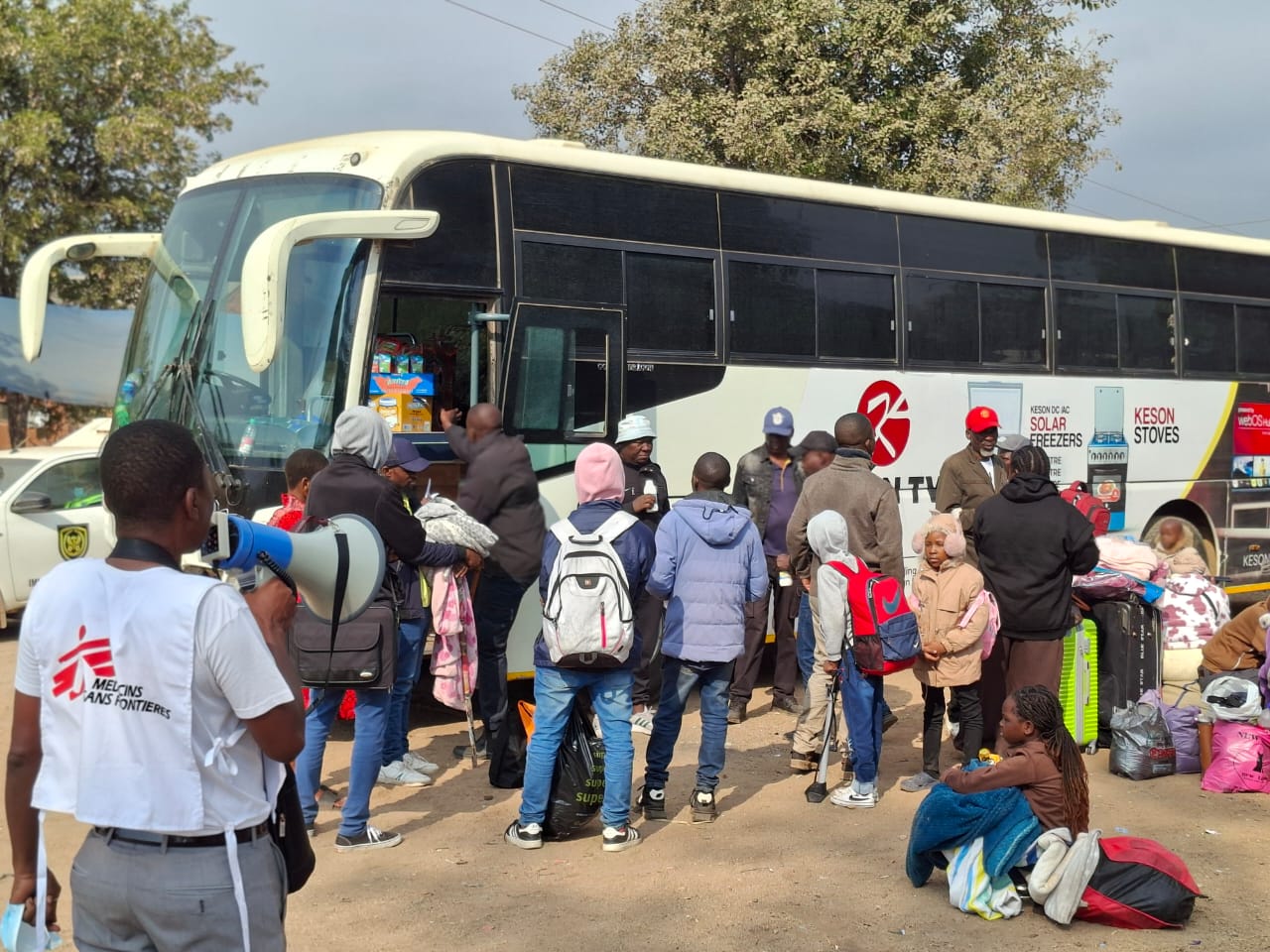
MSF says its teams working at the South Africa-Zimbabwe border in Musina and Beitbridge are treating displaced people who fled their communities after protests targeting foreign nationals intensified. Many are arriving exhausted, frightened and without the medicines they depend on.
The organisation reports that temporary repatriation facilities established near Musina are overwhelmed as thousands of people wait to return to neighbouring countries. Harsh conditions, long queues and limited access to medical services have further complicated the humanitarian response.
Several returnees shared harrowing experiences of fleeing violence with little or no warning. One Zimbabwean who had been working in South Africa said he lost access to medication for chronic pain after escaping attacks, leaving his condition to deteriorate.
Another migrant recounted returning home to discover that his house had been destroyed. He said he lost important documents, clothing and family belongings, leaving him with nothing but a small handbag. The emotional toll, he said, drove him to despair.
MSF also highlighted the plight of patients living with HIV who were forced to interrupt antiretroviral treatment after fleeing their homes. One Zimbabwean man said he had gone several months without medication after xenophobic attacks prevented him from accessing his regular clinic in South Africa. Upon reaching Zimbabwe, he was admitted to hospital before receiving a month’s supply of medication and a referral for continued treatment.
The humanitarian organisation warned that interruptions to HIV treatment can increase the risk of treatment failure and drug resistance, while patients with untreated hypertension face potentially life-threatening complications, including strokes, heart failure and kidney disease.
MSF emergency medical teams say they are also seeing patients suffering from diabetes, hypertension and mental health conditions whose treatment has been disrupted by displacement.
The organisation expressed concern that many migrants continue using informal border routes despite official repatriation programmes, making it difficult for humanitarian workers to identify and assist vulnerable people in need of medical care.
MSF called on governments and humanitarian partners to strengthen cooperation to ensure displaced migrants can continue receiving essential healthcare without interruption. The organisation warned that failure to maintain continuity of care for people living with chronic illnesses could result in preventable complications and unnecessary loss of life.
As the number of displaced migrants continues to grow, humanitarian agencies say providing medical assistance, psychological support and safe access to treatment remains critical for those forced to flee violence in search of safety.