
Staff Writer
Action Aid Zimbabwe has unpacked the Start, Awareness, Support, Action (SASA) programme which seeks to educate the community on Gender Based Violence and Child Marriages in Mbire district, Mashonaland Central Province.
In a statement, Action Aid Zimbabwe said:
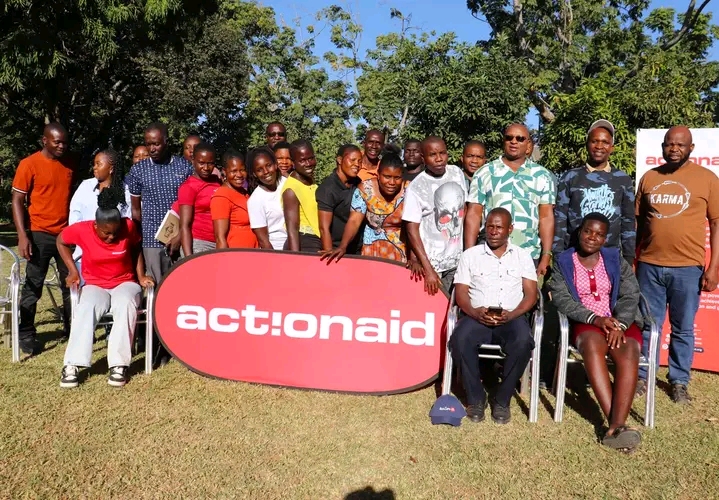
“In Mbire, continuing profiling work with communities to unpack the SASA! Together methodology. The goal is clear: make sure women understand it, own it, and lead it.Last week we introduced the Start, Awareness, Support, Action (SASA!) Together model into the Mbire Local Rights Programme. We know GBV and child marriage thrive where information is scarce, dialogue is unsafe, and local leadership is sidelined. So, we are changing that.
“Mashonaland Central carries the highest rate of child marriage in Zimbabwe at 49%, and Mbire is one of the hardest-hit districts. That’s why we started with Wards 7 and 15, training 30 SASA champions, community leaders, and stakeholders to run real conversations that challenge harmful norms, prevent harm, and strengthen protection pathways. So, our focus is on women taking the lead”.
Action Aid Zimbabwe said the SASA initiative aims to end violence against women with women themselves spearheading the programme in local communities.
“Through these community dialogues, SASA champions are gaining the confidence and skills to spark change in their own neighbourhoods—expanding ward by ward, year by year.
We are deliberate about ending violence against women and girls in Mbire. We want to see women at the front, driving action against GBV and child marriage because they know what’s at stake and they know what needs to change.
“Every woman and girl deserves to live free from violence. And with women leading the conversation on GBV, change is happening.”
Mashonaland Central Province in Zimbabwe is struggling with high rates of gender-based violence and child marriages. According to the Zimbabwe Gender Commission, the province has the highest number of child marriages, with 49.5% of girls and 6.7% of boys getting married before the age of 18. This is a concerning issue, especially in rural areas where child marriage prevalence is high (40%) compared to urban areas (21.3%).
Key Factors Contributing to Child Marriages:
Poverty_: Families often prioritize economic survival over girls’ education, leading to early marriages.
– _Cultural Practices_: Some religious sects encourage early marriages, with girls as young as 10 being married to older men.
– _Lack of Education_: Girls with no or pre-primary education are more likely to marry early (66%).
– _Gender Inequality_: Women and girls face limited access to resources, making them vulnerable to exploitation.
The government and organizations are working to address these issues, including launching the National Action Plan on Ending Child Marriage and providing support services for survivors.