
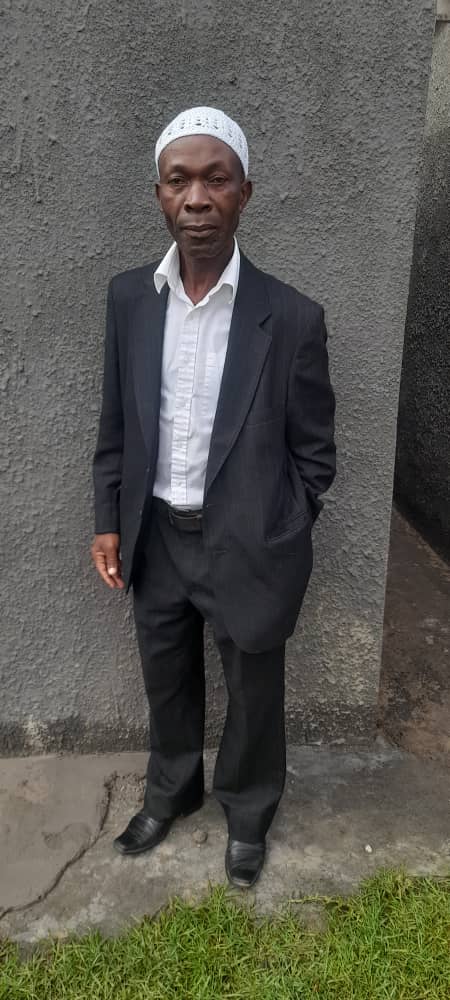
By Bigboy Madzivanzira, Freelance Journalist
1. Introduction – A Mother’s Plea
In a modest Harare suburb, a mother watches her 27‑year‑old son drift deeper into daily beer and tobacco. “I’ve tried everything,” she says, eyes wet with worry. “Maybe a herbalist can help him stop before it’s too late.” Her desperation is shared by many families across Zimbabwe, where substance use is rising and formal treatment feels out of reach. Yet her plan to enlist a traditional healer without her son’s consent has ignited a fierce community debate about where love ends and coercion begins.
2. The Community Clash
– The Herbalist’s Promise – Local herbalists claim they can “cleanse” cravings with herbal teas, roots, and smoke‑blowing rituals. For many, these remedies are cheaper and culturally familiar than clinic‑based care.
– The “Witchcraft” Accusation – An older neighbour, a self‑described “watchdog” of personal rights, retorts, “It’s witchcraft to force a herbalist on someone who never asked. Both the herbalist and the parent should be held accountable.” He argues that any intervention without explicit consent violates personal autonomy and could even breach Zimbabwe’s Drugs and Substances Act, which criminalises the supply of controlled substances but not traditional herbs used with consent.
– Legal Reality – Under current law, a herbalist can only be prosecuted if the preparation contains a banned drug or causes harm. Seeking help for a willing adult is not automatically illegal, but involuntary treatment can raise civil‑rights concerns and, in extreme cases, attract charges of assault or unlawful detention.
3. The Bigger Picture: Substance Use in Zimbabwe
– Rising Numbers – Government health reports show that over 60 % of mental‑health admissions are linked to drug or alcohol abuse, and youth unemployment fuels the trend .
– Rehab Expansion– In response, three new state‑run rehabilitation centres opened in Harare in 2025, offering detox, counselling, and vocational training. Yet, capacity remains limited, and many families turn to traditional healers as a first‑line option .
4. Expert Insights:
Bigboy Madzivanzira, a registered Medical Rehabilitation Practitioner, Health Promotion Practitioner, Family and Child Therapist, and Freelance Journalist, weighs in on the issue. As the Founder and Director of Health Promotion Clinic Trust (HPCT), he has extensive experience in Community-Based Rehabilitation (CBR) programmes in Zimbabwe and is a member of the Community Based Rehabilitation Africa Network (CAN).
“Voluntary intervention is key to successful rehabilitation,” says Madzivanzira. “Coercing someone into treatment, whether by a herbalist or a rehab center, often leads to resistance and relapse. Families need to engage in open dialogue with their loved ones, presenting options and supporting their decisions.”
Madzivanzira’s work with HPCT focuses on community-based approaches to health and rehabilitation, emphasizing the importance of respecting individual autonomy while providing support and resources for those struggling with substance use.
5. Voices from the Ground
Perspective Quote Key Concern
Mother (seeking help) “I just want my son alive and healthy. If herbs can do that, why not try?” Fear of losing her child to addiction.
Adult Son (refusing) “It’s my life. I’ll quit when I’m ready, not because someone forces a herb on me.” Wants autonomy and respect for his choices.
Herbalist (Mr. Moyo) “Our ancestors used these plants for centuries. We only help those who come willingly.” Emphasises consent and cultural heritage.
Rehab Counselor (Ms. Ndlovu) “Voluntary admission yields better outcomes. Coercion often leads to relapse.” Highlights evidence‑based practice.
Legal Analyst (Adv. Chikowore) “The law protects bodily integrity. Any non‑consensual treatment could be challenged in court.” Points to potential human‑rights litigation.
6. Balancing Act: Community, Culture, and Law
– Cultural Acceptance – Traditional medicine is woven into Zimbabwean identity. Many view herbalists as “community doctors,” especially where clinics are scarce.
– Human‑Rights Framework – Zimbabwe’s Constitution guarantees freedom of person and right to health. Any intervention that sidesteps consent risks violating these rights, even if motivated by love.
– Practical Solutions –
1. Dialogue First– Families can invite open conversations, presenting options (herbal, clinical, peer‑support) without imposing.
2. Hybrid Models – Some rehab centres now incorporate traditional healers as part of a multidisciplinary team, offering a culturally sensitive bridge.
3. Education – Community workshops on the legal and health implications of involuntary treatment can reduce “witchcraft” accusations and promote safer practices.
7. Conclusion – Toward a Compassionate Compromise
The mother’s heart‑wrenching plea and the neighbour’s warning about “witchcraft” encapsulate a nation at a crossroads. Zimbabweans must navigate the delicate line between caring for loved ones and respecting individual agency. By fostering voluntary, informed choices—whether through herbal remedies, modern rehab, or a blend of both—communities can address substance abuse while upholding dignity and legal rights.
As Bigboy Madzivanzira notes, “It’s about finding a balance between support and respect for personal choice. With open dialogue and community-based approaches, we can help individuals struggling with substance use without overstepping their autonomy.”
As Zimbabwe expands its rehabilitation infrastructure and grapples with deep‑rooted traditions, the story of one family becomes a microcosm of a larger national conversation: how do we heal without harming?